
 English
 中文简体
 عربى
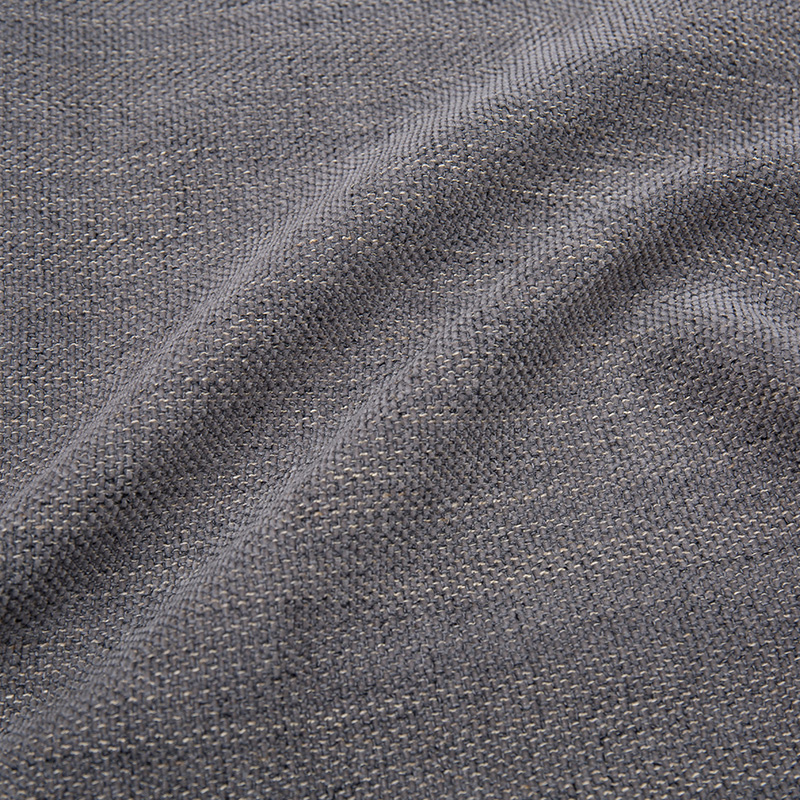
Chenille Sofa Fabric Wholesale


A sofa specification can read "upholstery: 100% polyester chenille, 40,000 Martindale cycles" and still leave a buyer asking what upholstery actuall...
READ MOREChenille fabric has a unique fiber structure and a soft hand feel. The characteristics of chenille fabric include:
(1) Luxurious texture: the surface is covered with dense fluff, looking gorgeous and high-end;
(2) Soft and comfortable: the fluff is fine and soft, with an good touch, suitable for making winter clothing and household items;
(3) Strong warmth retention: the thick fluff layer can effectively isolate cold air and provide good thermal insulation effect;
(4) Good breathability: It has certain breathability and is suitable for daily wear;
(5) High durability.

As China Performance Chenille Fabric Manufacturers and Luxury Chenille Fabric Factory, Xiangyi Group was established in 2005. Its main business is the development and production of sofa fabrics. After 30 years of development, it has now developed into Xiangyi Textile, Xiangyong Textile, Xiangtuo Textile, Xiangtian Textile, Changmiao Textile, Kayou Printing and Dyeing, Yichang Weaving, etc. It produces nearly 400,000 meters of various sofa fabrics and 100,000 meters of clothing fabrics every day. we offer Custom Chenille Sofa Fabric.


A sofa specification can read "upholstery: 100% polyester chenille, 40,000 Martindale cycles" and still leave a buyer asking what upholstery actuall...
READ MOREA dining chair is a small piece of furniture with a hard working life. The seat takes a shifting load of 70 to 90 kg several times a day, and every ...
READ MOREA buyer sends a swatch card reading 100 percent polyester, 320 gsm, linen look. The mill writes back with three questions: what abrasion cycle count...
READ MOREThree mills, three definitions. Ask one supplier what makes a fabric a performance fabric and you will hear about a stain-repellent finish; ask the ...
READ MOREA fabric buyer opens a mill report and finds forty-two doffed cones logged before a warping run; a copy editor meets the same word in a 1920s novel,...
READ MOREYou are reading a sofa fabric spec sheet, and one line says Pattern Direction: Railroaded. You search the term and get politics, court rulings, and ...
READ MOREHow Performance Chenille Fabric Is Made: Behind the Soft Luxury of Chenille Sofa Fabric
Chenille fabric has long been admired for its plush texture and elegant appearance, but what truly sets it apart is the complex process behind its creation. Understanding how chenille is made reveals why this fabric is not only aesthetically appealing but also valued for its performance in both fashion and upholstery. At Xiangyi, as a manufacturer with years of experience in textile production, we’ve developed deep insight into the craftsmanship that brings performance chenille fabric to life.
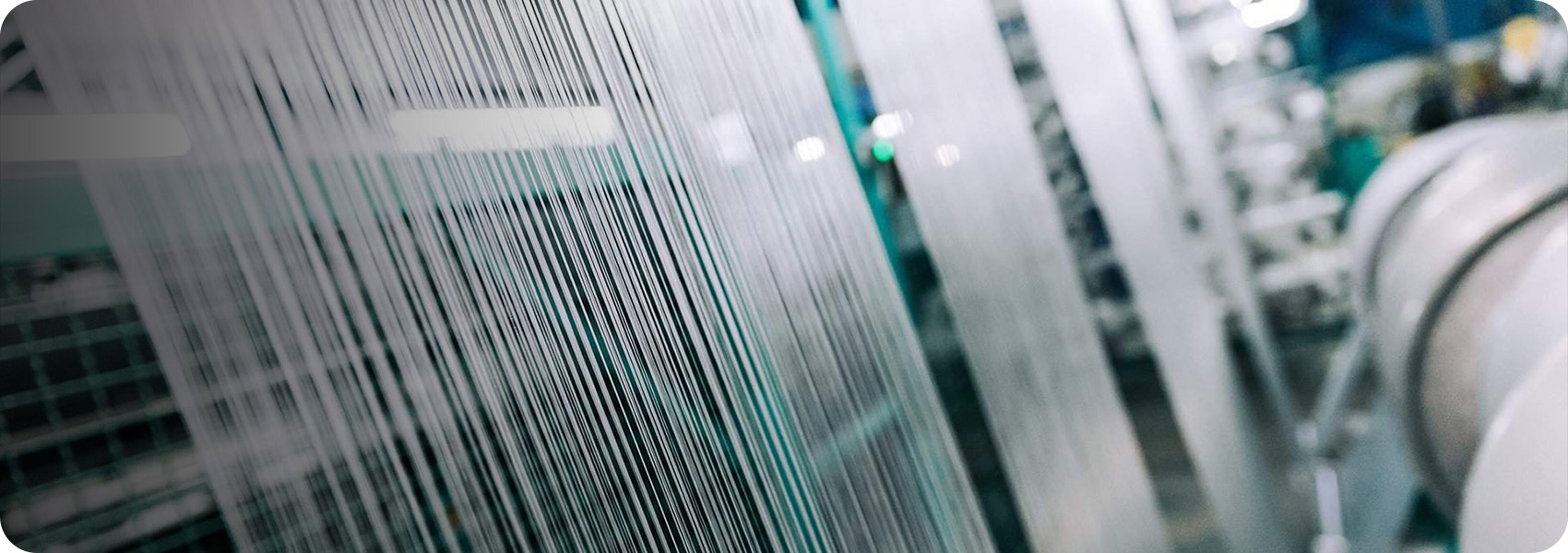
The process begins with the selection of base fibers, which may include cotton, polyester, acrylic, or rayon. These fibers are spun into core yarns and then wrapped with short lengths of pile yarns. It's this unique structure—tufts of yarns wrapped around a central core—that gives chenille its characteristic softness and dimensional appearance. The wrapped yarns are then steamed and heat-set to lock in the fluff, creating a final thread that will be woven into fabric. Each variation in fiber composition and spinning technique results in subtle changes to how the chenille fabric behaves, whether it’s more suited for apparel or heavy-duty upholstery.
Weaving chenille yarn into fabric requires specialized looms and attention to detail to preserve the integrity of the soft, protruding fibers. This step must strike a careful balance between density and drape. For luxury chenille fabric used in garments or drapery, a lighter, more flexible weave is often preferred. In contrast, chenille sofa fabric is typically woven more tightly to enhance durability and prevent shedding over time. The weaving process also influences how light interacts with the fabric surface, contributing to the subtle sheen and color richness that make chenille so visually appealing.
After weaving, the fabric undergoes finishing treatments that refine its texture, set its shape, and enhance its performance qualities. These treatments might include brushing, washing, or chemical stabilization depending on the end-use application. At this stage, manufacturers may also apply protective coatings if the fabric is intended for high-contact areas like furniture upholstery. The result is a performance chenille fabric that combines tactile comfort with functional resilience, making it ideal for both stylish interiors and practical use.
Quality control is critical throughout production. Even minor inconsistencies in yarn tension or fluff alignment can affect the final look and feel of the fabric. Experienced technicians monitor every phase of manufacturing, using both visual inspection and mechanical testing to ensure the fabric meets strict standards for colorfastness, wear resistance, and pilling. This commitment to quality is essential for maintaining the long-term performance expected of premium chenille upholstery fabrics.
What makes chenille particularly versatile is how production techniques can be tailored to meet different customer needs. Whether it's luxury chenille fabric for upscale home decor or a more robust version for commercial settings, the manufacturing process can be customized to deliver specific tactile, visual, and functional results. For buyers looking to source chenille for sofas, chairs, or interior accents, understanding the intricacies of its production can inform better purchasing decisions and longer-lasting applications.
At Xiangyi, we not only supply high-quality chenille fabric but also work closely with clients to match the right product to their specific design and performance requirements. Whether you're developing a new furniture line or looking for high-end textile solutions, our chenille sofa fabric options deliver a proven blend of comfort, beauty, and reliability—making them an excellent choice for long-term use.

From yarn to fabric. At Xiangyi, we stitch quality into every seam, crafting sofa fabric that goes beyond decor—it embodies your home’s unique style.
PRODUCT

+86-18262539999(Meng Lin)