 English
 中文简体
 عربى
Industry News
Home / News / Industry News / Upholstery Definition Explained: Materials, Layers, and Fabric Specifications
 By Admin
Content
A sofa specification can read "upholstery: 100% polyester chenille, 40,000 Martindale cycles" and still leave a buyer asking what upholstery actually means. The term covers the visible fabric, the padding, the support layers underneath, and the trade that assembles them. In fabric sourcing, upholstery is often shortened to the cover textile, but that is only one part of the definition.
Upholstery is the padded covering system applied to furniture, especially seating, and the craft of building that covering with fabric or leather, cushioning, webbing, springs, and fixings.
That distinction is practical. A purchase order for upholstery fabric does not describe the foam density, the suspension, or the labor that decides how a sofa feels after two years. A purchase order for upholstery, in the full sense, should.
Upholstery is the complete padded covering on a piece of furniture, not just the outer fabric. A chair or sofa combines a frame, a suspension system, cushioning, and a cover; upholstery includes the cover and the materials and work that give the seat its shape, softness, and support.
core parts: cover, cushioning, suspension, fixings
linked meanings: the covering system and the trade
buying rule: judge the full build, not the swatch alone
Three terms are often used loosely:
Definition in one line: upholstery is what turns a bare frame into a soft, supportive, finished seat.
Upholstery performance comes from three layers working together: cover, cushioning, and support. A strong fabric on weak webbing still fails; soft foam over a poor frame still feels wrong.
The visible fabric or leather. Fiber, weave, finish, backing, and cleaning code decide how it wears and how it is maintained.
Foam, wadding, fiber fill, or a mixed build. Density and compression set shape the seat feel and how quickly it returns.
Webbing, springs, elastic bands, and the frame. This layer carries load and keeps the cover from taking all the stress.
Fabric data describes the cover, not the whole seat. Ask for the full build when durability matters.
For a furniture maker, the practical result is that upholstery is a system specification. The cover must match the cushioning, the suspension, and the expected use. A light residential fabric can be correct for a low-traffic accent chair and wrong for a hotel sofa, even if both use the same fiber name.
Upholstery fabric is the visible textile; upholstery is the complete padded covering and the work that installs it. The two are related, but they are not interchangeable in a specification or a purchase order.
If a purchase order says "upholstery," confirm whether it means fabric only or the finished padded assembly. The price, risk, and inspection criteria are different.
This is why a fabric mill and an upholstery workshop can use the same word for different scopes. The mill supplies a component. The upholstery workshop turns that component into a seat.
Read an upholstery specification as a package: fiber, weave, abrasion, pilling, colorfastness, cleaning code, and backing. One number alone cannot predict how a fabric will age on a sofa.
Match the end use. Separate residential, contract, and heavy public seating. Traffic level changes the required abrasion, pilling, and cleaning performance.
Check fiber and weave together. Polyester, cotton, acrylic, and blends behave differently in the same construction. A tight weave and a loose pile also carry soil differently.
Compare abrasion and pilling. Martindale or Wyzenbeek results are useful only when the test method and end use are stated. Pilling can make a high-abrasion fabric look old early.
Review backing and cleaning. Backing affects stretch, seam stability, and hand. The cleaning code decides which spill response is safe in the real world.
A 40,000-cycle abrasion result is a data point, not a guarantee. Pilling, seam slip, and cleaning method can shorten a fabric's life before abrasion becomes the limit.
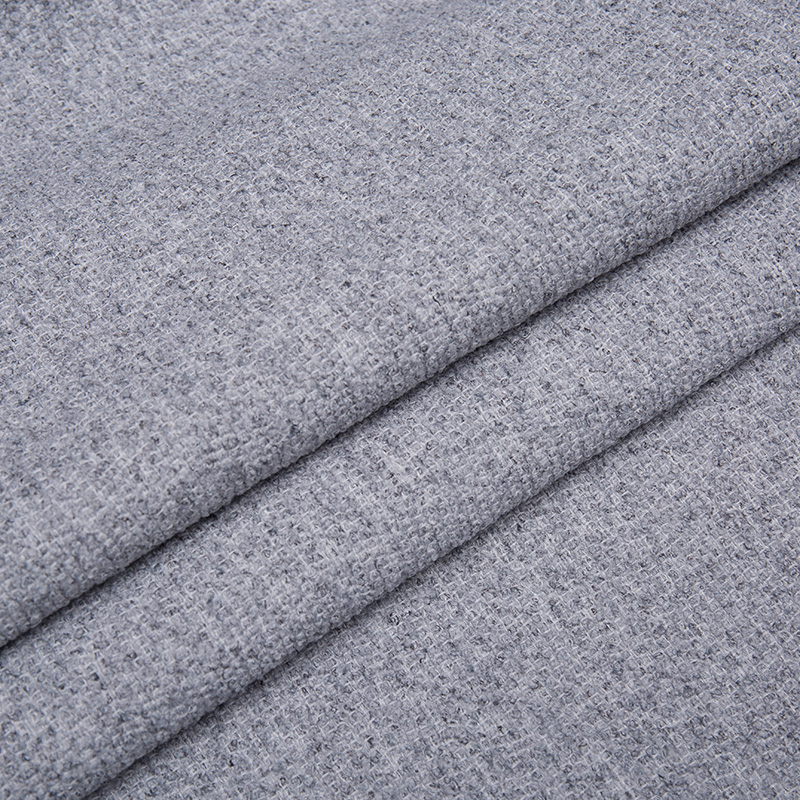
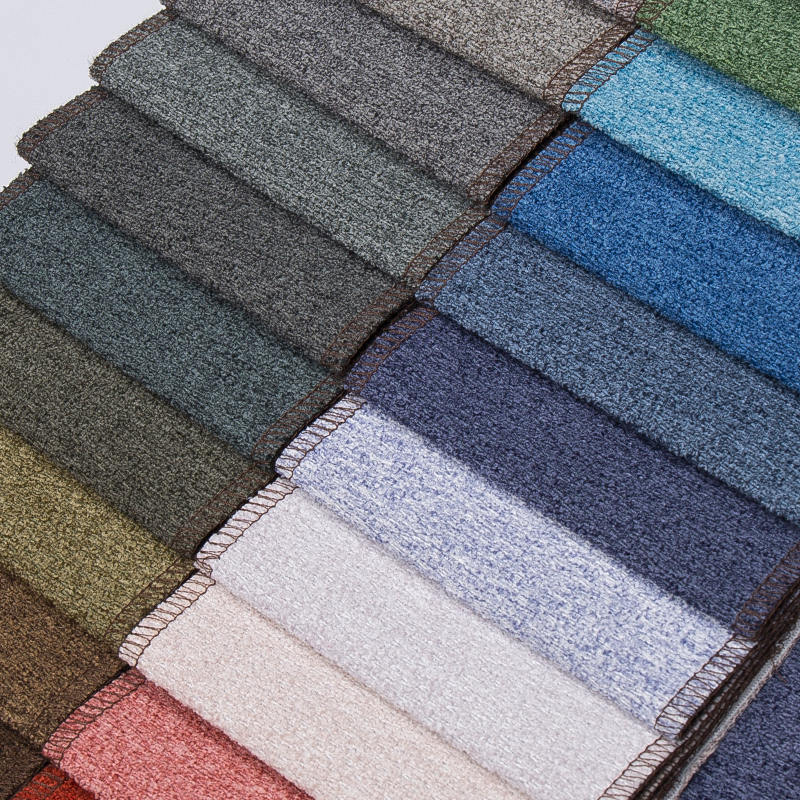
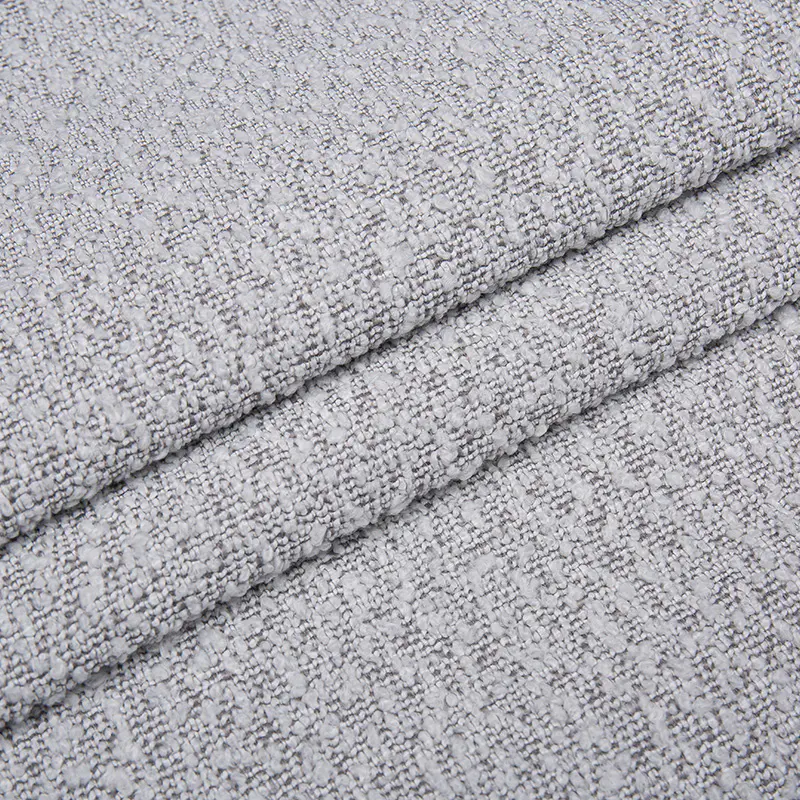
Common upholstery fabrics include chenille, brushed fabric, cut pile, jacquard, polyester imitation linen, and color masterbatch constructions. Each name describes a surface or process; the purchase decision still depends on the full specification.
Fabric names sell the surface. Performance specifications protect the order.
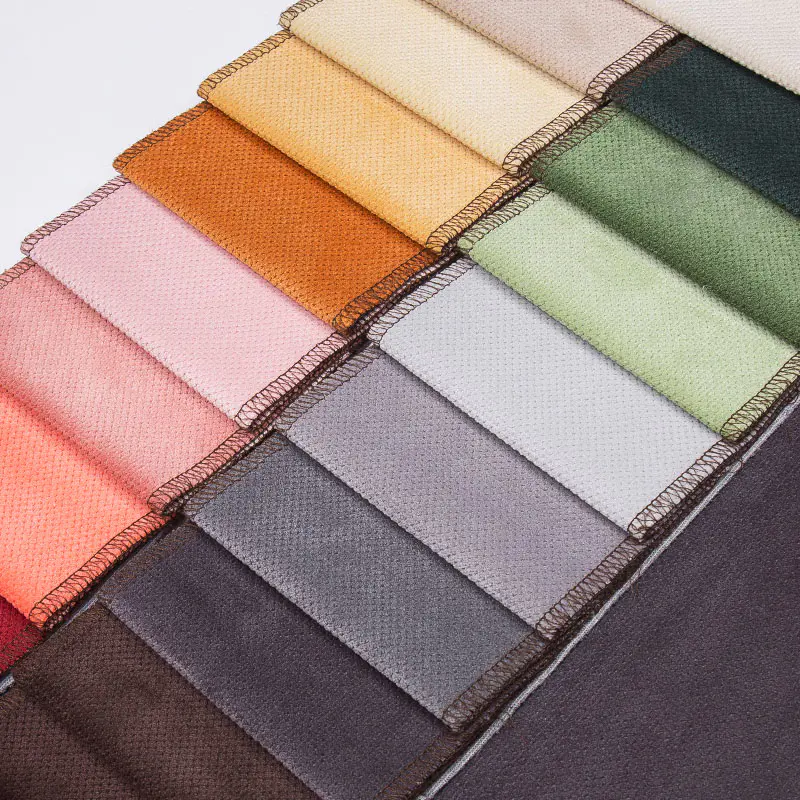
Pile fabrics such as velvet and cut pile depend on pile structure, fiber, and finishing. For a closer look at those terms, see this guide to velvet definition and upholstery specifications.
| Fabric family | What it is | Typical fit | What to check |
| Chenille | Plush yarn surface with a soft hand and good drape | Sofa seats, cushions, soft contract seating | Pile crush, pilling, cleaning method |
| Brushed fabric | Brushed surface that adds softness and a warm hand | Residential sofas, headboards, decorative chairs | Fiber shedding, abrasion, care routine |
| Cut pile | Cut yarn surface with a dense, velvety look | Statement seating, heavy-use upholstery | Shading, seam grin, pile loss |
| Jacquard | Woven pattern built into the fabric structure | Patterned upholstery and decor-led ranges | Pattern repeat, wear points, backing |
| Polyester imitation linen | Polyester yarns styled to look like natural linen | Family sofas, contract seating, easy-care ranges | Hand feel, pilling, colorfastness |
| Color masterbatch | Color built into the fiber instead of applied later | Colorfast upholstery with reduced dyeing steps | Batch shade, lightfastness, processing control |
For buyers building a range, chenille and brushed constructions cover two common comfort profiles without leaving the upholstery category. A mill with vertical yarn-to-fabric manufacturing can adjust fiber, weave, and finishing together rather than treating them as separate purchases.
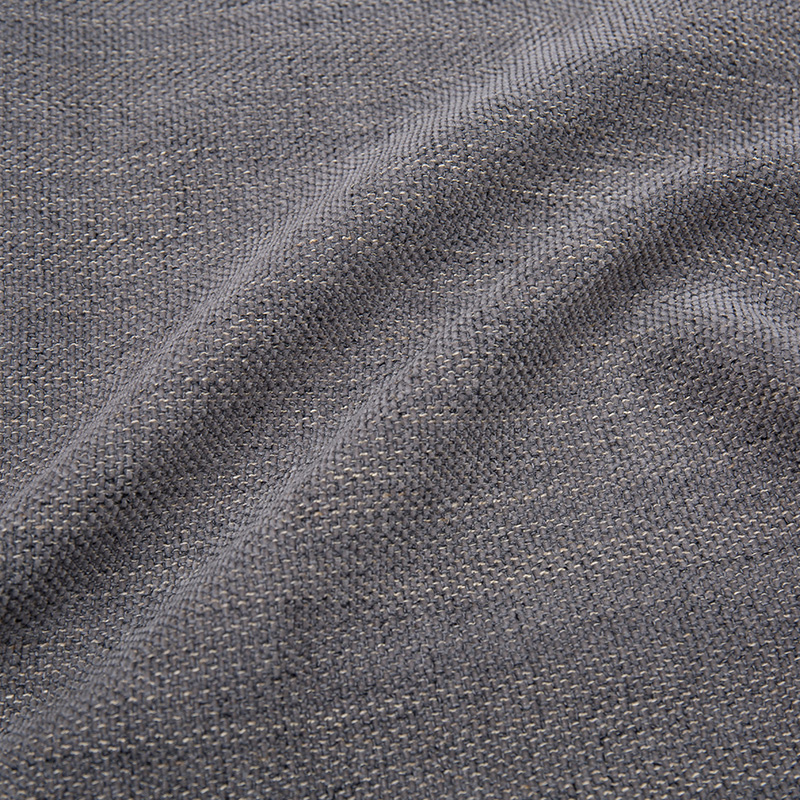 Custom Chenille Sofa Fabric for UpholsterySoft, durable chenille upholstery fabric with customizable fiber, weave, and finishing for sofa ranges and commercial seating.View Product →
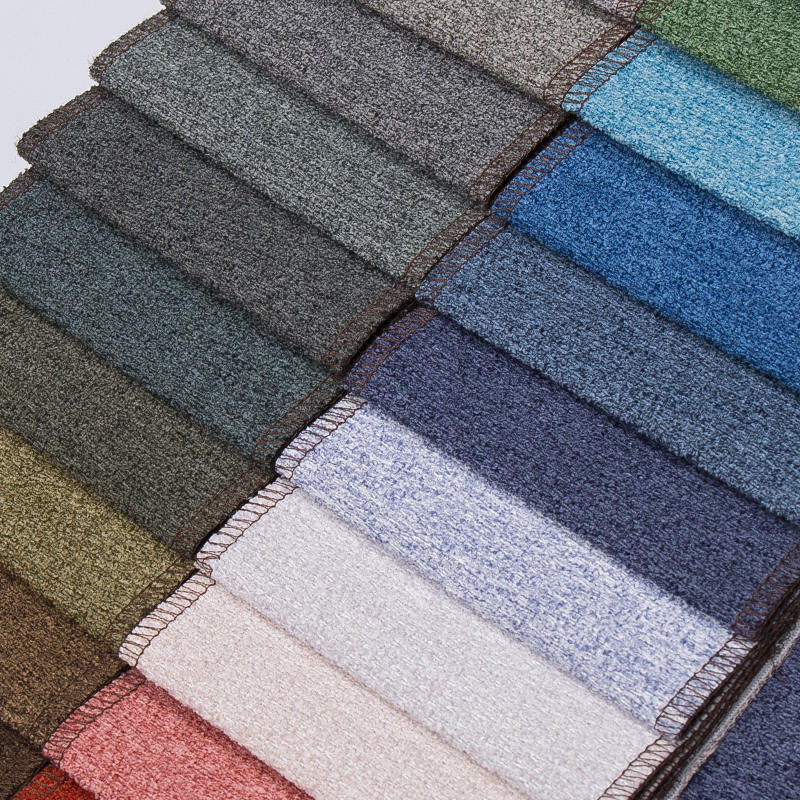 Brushed Sofa Fabric with Soft Wool-Like TouchCustom brushed upholstery fabric offering warmth, breathability, and wear resistance for soft, comfortable sofa collections.View Product →
The short answers below cover the definition, materials, durability testing, and scope of upholstery in furniture and fabric sourcing.
No. Upholstery fabric is the visible cover textile. Upholstery is the full padded covering system and the craft of installing it.
Upholstery typically combines a fabric or leather cover with foam, wadding, fiber fill, webbing, springs, and fixings. The exact build depends on the furniture type and use.
Durability is assessed with abrasion tests such as Martindale or Wyzenbeek, plus pilling, seam strength, colorfastness, and cleaning tests. A single abrasion figure should not be read without the test method and end use.
In common trade use, upholstery refers to furniture covering, especially seating. Curtains, carpets, and bedding sit under the broader term soft furnishings.
Use the definition as a buying check: if a quote covers only the fabric, it does not cover upholstery.

From yarn to fabric. At Xiangyi, we stitch quality into every seam, crafting sofa fabric that goes beyond decor—it embodies your home’s unique style.
PRODUCT

+86-18262539999(Meng Lin)