 English
 中文简体
 عربى
Industry News
Home / News / Industry News / Doffed Meaning: Applications, Selection Criteria, and Practical Guidance
 By Admin
Content
The double life is not a contradiction. In both settings something worn, filled, or carried is taken off and set aside. A hat comes off a head; a full bobbin comes off a spindle. The word simply stayed in factories long after it drifted out of ordinary conversation.
That is why doffed still turns up in English-language sourcing documents, mill audit sheets, and fabric specifications, even though few native speakers would reach for it over dinner.
Doffed means that someone took off an article of clothing or lifted a hat, and by extension it means getting rid of an idea, habit, or burden.
The major dictionaries agree on those three senses. Merriam-Webster leads with removing an article of wear and then with taking off a hat in greeting or respect. Dictionary.com adds the figurative extension, illustrating it with the idea of doffing a stupid notion. Cambridge marks the clothing sense as old-fashioned or humorous, which is a note about tone rather than about correctness.
The word is a contraction of do and off, first recorded in Middle English, and it has behaved as the mirror image of don, to put on, ever since. A memory hook helps: doff is do off, don is do on. The idiom to doff one's cap to someone still appears in British journalism, where it means giving credit rather than removing any actual headwear.
Doffed is a regular past form: add -ed to doff, keep the single f, and pronounce the ending as a plain t sound, exactly as in laughed and coughed.
The t ending catches writers out. Because the base verb ends in a voiceless consonant, the -ed never becomes a separate syllable, so doffed has one syllable, not two. Spelling traps are rarer still: the word keeps both f letters and never doubles the d.
Register matters more than grammar here. In speech most people say took off, removed, or pulled off. Doffed survives in four places: literary and historical prose, ceremonial or gently humorous writing, journalism about hats and respect, and technical documentation from textile plants. In each of those settings the word is doing a job that a plainer alternative would blur.
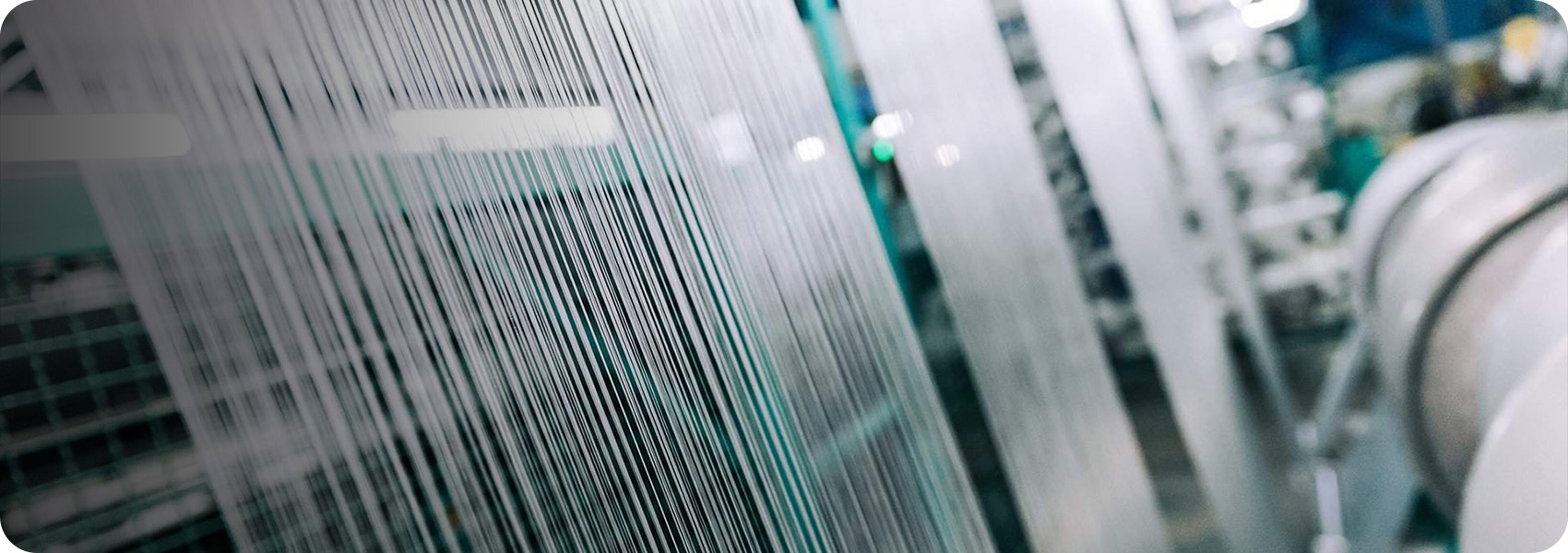
In spinning, weaving, and nonwovens, doffed describes a full package of yarn, sliver, or cloth that has been removed from a machine and replaced with an empty one.
A ring-spinning frame fills its bobbins as yarn is twisted and wound. When the bobbins reach their set weight, the frame stops and the operative doffs them, fits empty bobbins, and pieces up the broken ends before restarting. The same logic runs through the plant: card cans are doffed when the sliver coil is full, and looms are doffed when a cloth roll reaches its wound length. Automatic doffers on modern rotor frames perform the swap with only a brief interruption.
| Machine | Material doffed | Package form |
| Ring spinning frame | Spun yarn | Bobbin |
| Rotor spinning frame | Spun yarn | Cone or cheese |
| Carding machine | Sliver | Can |
| Twisting frame | Plied or fancy yarn | Spool or bobbin |
| Loom | Woven cloth | Cloth roll |
Vocabulary shifts between mills and regions. Some plants reserve doff for spinning packages and say roll off or beam off in weaving, so a supplier's audit sheet is worth reading literally rather than by assumption.
Fancy yarns make the handover more delicate. A chenille yarn carries its pile between twisted core threads, and every doff puts a new package into the creel. A rough transfer can flatten that pile long before the yarn is woven, which is why mills that twist their own yarns build the doff check into the process instead of the final inspection.
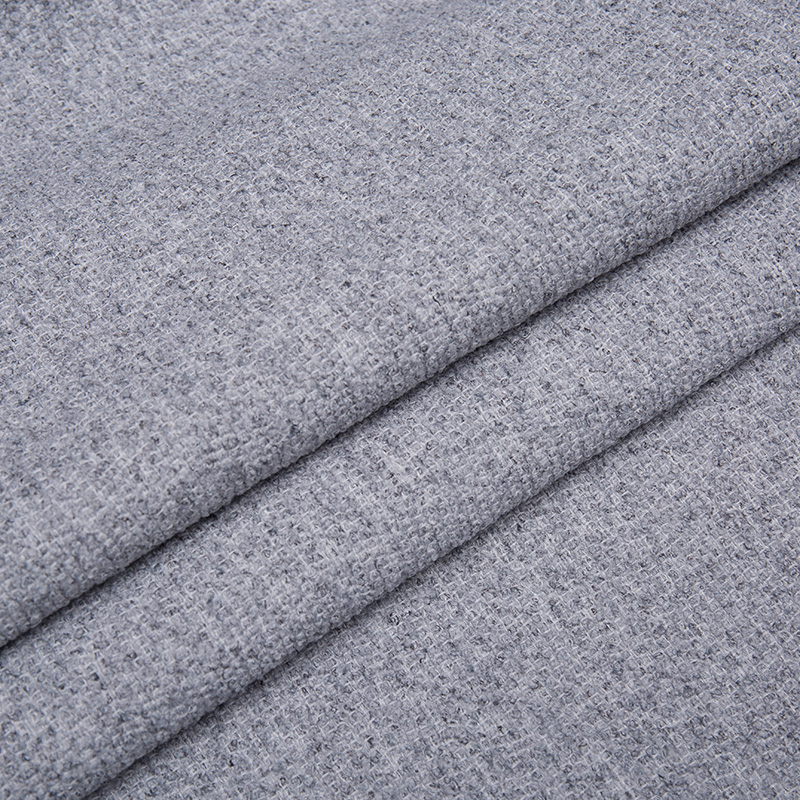
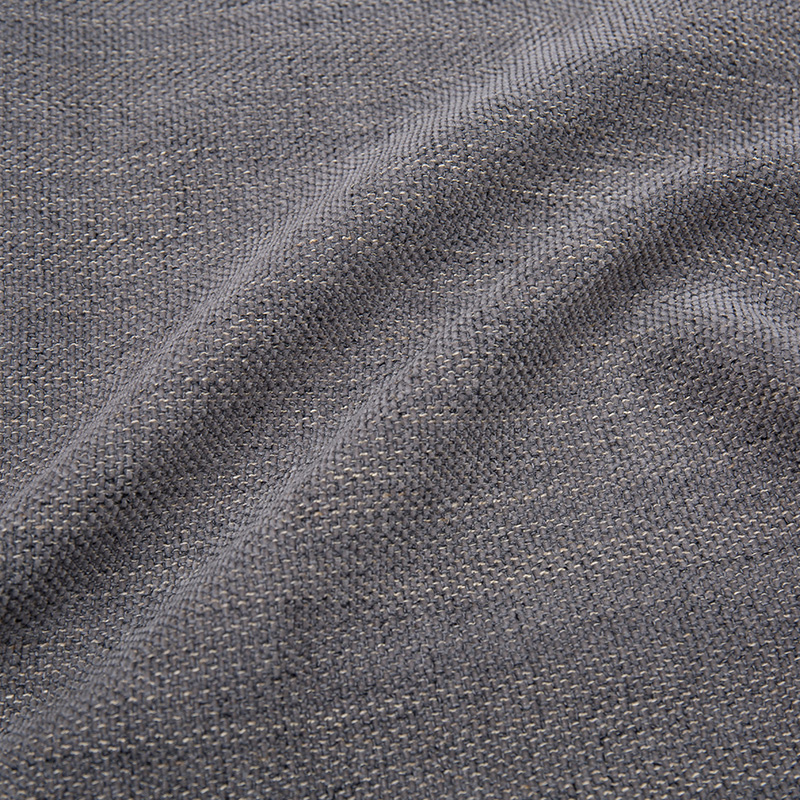 Chenille Sofa Fabric for Upholstery and TextilesChenille fabric with soft, dense pile for sofas and upholstery; yarn handover sensitivity makes process control relevant.View Product →
A doff is a handover point in the yarn supply, and badly timed or rough doffing surfaces downstream as joins, tension variation, and slubs that become visible streaks, snags, or uneven pile in upholstery fabric.
Three failure modes are worth writing into a purchase order conversation, because each one is cheaper to prevent at the frame than to fix at the cutting table.
For plains and imitations the risk is quieter but real. Thread count and denier consistency are what make a polyester imitation linen read as linen rather than as a synthetic flat, and that consistency begins with packages doffed at the same weight, every time.
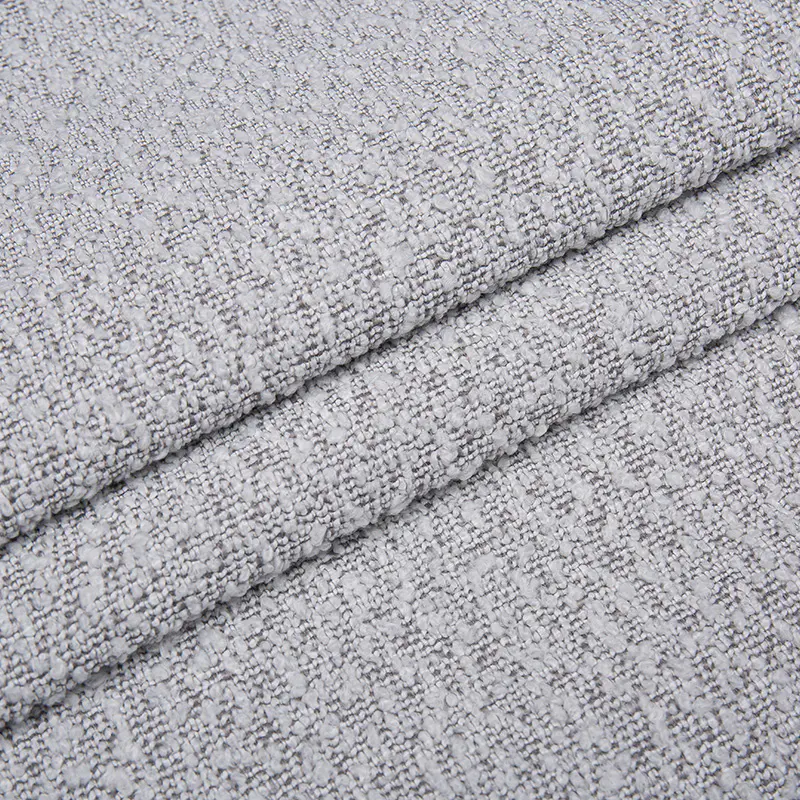
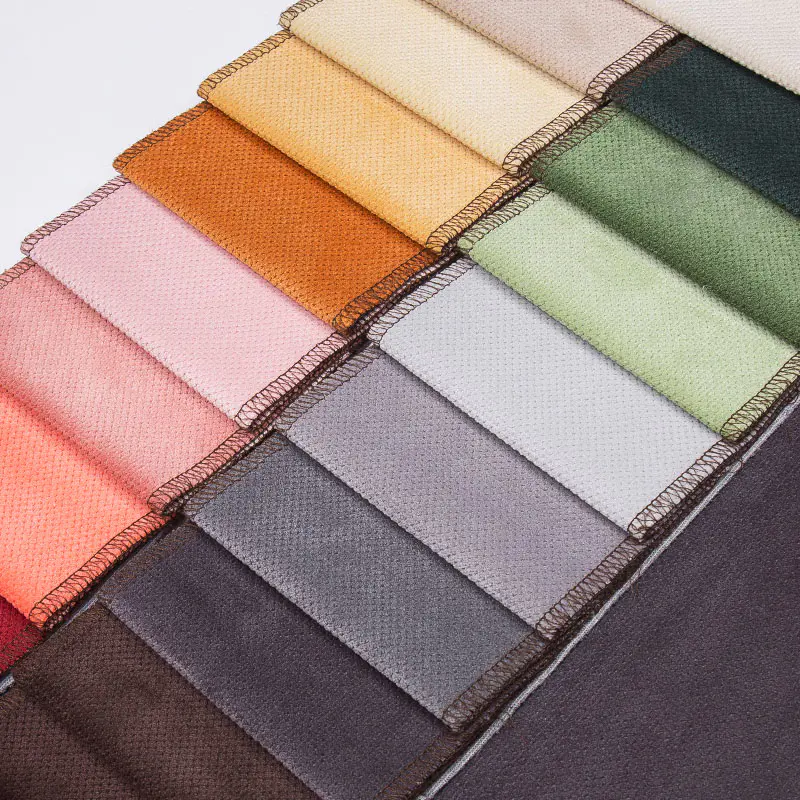 Custom Cut Pile Sofa Fabric for UpholsteryCut pile upholstery fabric with uniform pile for sofas; base and fiber choices affect durability, feel, and color consistency.View Product →
This is one practical argument for keeping spinning, twisting, and weaving under one roof. When the doff log, the yarn lot, and the fabric roll can be traced to each other, a shade band on a finished roll can be traced back to a specific handover rather than to a shrug. Mills with an integrated spinning-to-finishing setup can make that trace in hours instead of weeks.
Donned is the opposite of doffed: you don a coat when you put it on and doff it when you take it off, and both verbs are regular.
One more pair trips people up: doffed and doff. Doff is the base form, doffs is present tense with a singular subject, doffing is the participle used for the action itself, and doffed covers both the simple past and the perfect tenses. In mill writing, doffing often works as a noun, as in a doffing schedule or an automatic doffing system.
These are the points readers and buyers raise most often once they have the basic definition in hand.
Yes, but it is marked as old-fashioned or humorous in most dictionaries. It stays current in literary prose, ceremonial writing, hat-related journalism, and textile technical documents, while everyday speech prefers took off or removed.
Doffed serves as both the simple past and the past participle, as in he doffed his hat and the cap was doffed at the door. The present participle is doffing, and the third-person singular is doffs.
Because doffing is a defined machine action with its own timing, lot records, and quality checks. Saying a package was removed would not distinguish the scheduled swap at full weight from any other removal, and that distinction is what makes production records useful.
No. The word itself is neutral. The older sense of throwing something off can sound dismissive in context, as in doff your excuses, but that judgment comes from the sentence rather than from the verb.

From yarn to fabric. At Xiangyi, we stitch quality into every seam, crafting sofa fabric that goes beyond decor—it embodies your home’s unique style.
PRODUCT

+86-18262539999(Meng Lin)