 English
 中文简体
中文简体
 عربى
عربى
Industry News
 By Admin
Content
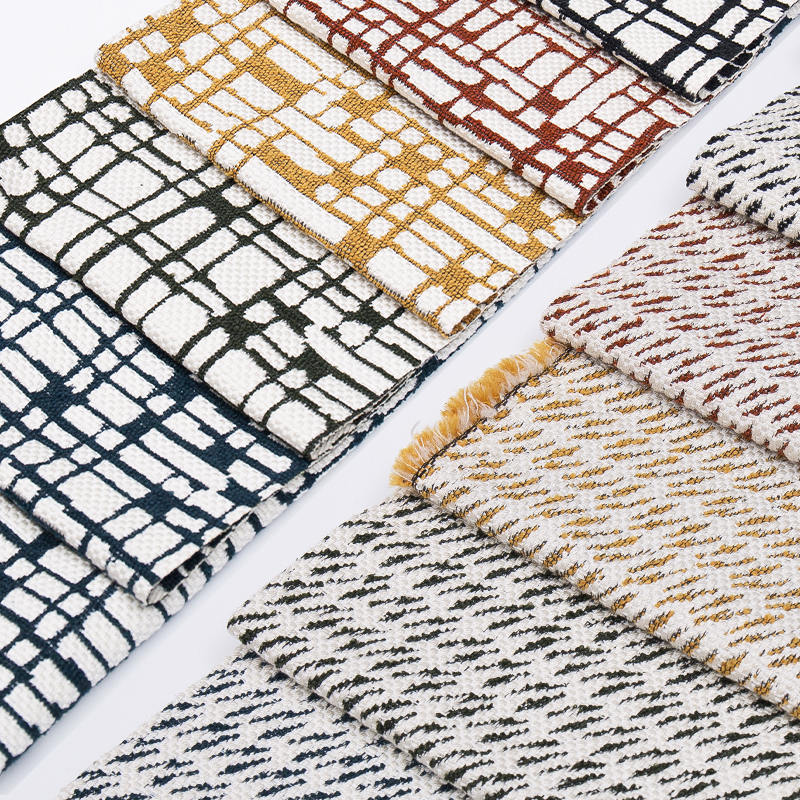
Jacquard fabric is not printed or embroidered. The pattern lives inside the weave itself, formed by interlacing warp and weft yarns on a specialized loom. Every motif, from Baroque floral to modern geometric, is an integral part of the cloth’s structure. This distinguishes it immediately from surface-printed textiles, where design sits on top and can crack, fade, or peel.
The method takes its name from the Jacquard mechanism, invented in 1804 by Joseph Marie Jacquard. His punch-card system let weavers raise individual warp threads automatically, making complex figuration scalable for the first time. Today’s digital electronic jacquard looms control thousands of threads with the same core logic, just faster and with near-infinite repeat sizes.
On a conventional loom, groups of warp threads lift together in fixed sequences. A jacquard head controls each warp thread independently. This means a single weft insertion can produce a custom shed that varies from one pick to the next. The result is a cloth where pattern detail emerges directly from the yarn placement, not from dye or pigment added later.
The historical version used chains of punched cards to program the thread selection. A hole in the card meant “lift this warp end”; no hole meant “leave it down.” Modern systems replace cards with digital files, but the principle remains: individual thread control equals unlimited design freedom. Complex designs may involve thousands of warp ends per repeat, yet the loom executes them with perfect registration every time.
This thread-level control is why jacquard patterns never misalign after washing or heavy use. The motif is as permanent as the fabric itself.
Several distinct weaves fall under the jacquard umbrella. They differ in yarn contrasts, structure, and visual effect. Here are the main categories you will encounter when sourcing for upholstery, apparel, or home textiles.
| Type | Description | Typical Fibers | Common Use |
|---|---|---|---|
| Brocade | Rich raised pattern, often metallic or contrasting yarns, with floating weft threads on the reverse | Silk, rayon, polyester, blends | Evening wear, couture, ceremonial textiles |
| Damask | Reversible, tone-on-tone pattern created by contrasting warp-faced and weft-faced satin weaves | Cotton, linen, silk, polyester | Table linens, drapery, upholstery |
| Matelassé | Quilted appearance from double-woven construction; the surface has a pillowed, padded texture | Cotton, cotton blends | Coverlets, bedding, decorative pillows |
| Cloqué/Blister | Puckered or bubbled surface effect from differential yarn shrinkage in finishing | Silk, polyester, nylon blends | Fashion apparel, accent fabrics |
| Tapestry | Heavy, weft-faced weave with detailed pictorial designs; often multiple colored wefts | Wool, cotton, acrylic | Wall hangings, heavy upholstery |
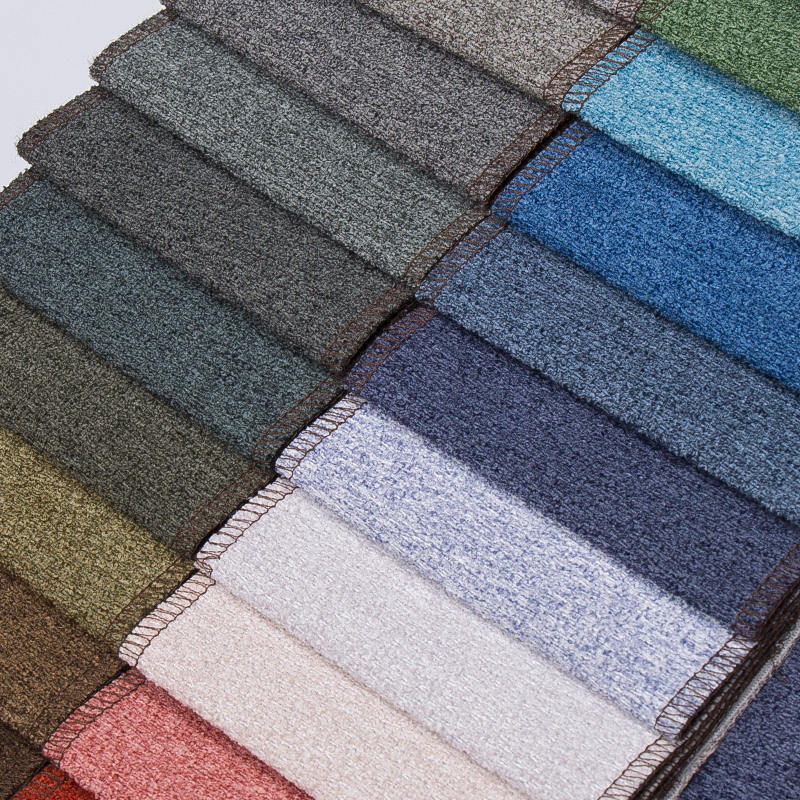
If you are evaluating fabric for a specific product, our jacquard fabric collection includes trial swatches that let you see these weaves side by side.
The base fiber transforms the fabric’s hand, durability, and cost far more than many buyers realize. A polyester jacquard will resist wrinkles and abrasion but can feel synthetic and trap heat. A cotton damask breathes beautifully but will crease and may lack tensile strength for tight upholstery. Silk brocade offers unmatched luster and drape, yet it demands careful handling and skyrockets the price.
Blends often deliver practical compromises. A cotton-polyester jacquard can keep a natural face while adding crease resistance. Rayon-acrylic blends reduce silk costs while maintaining sheen. When durability is paramount, such as for commercial seating, solution-dyed acrylic or high-tenacity polyester jacquards provide excellent lightfastness and abrasion resistance.
Always request the fiber content breakdown before specifying a jacquard for contract-grade applications. A missing label can hide fibers that fail flame-retardant standards or abrasion thresholds.
Jacquard fabrics often outperform prints in longevity because the motif cannot separate from the cloth. But not all jacquards are strong. The weave structure itself influences tear strength. A high-density damask with tight warp and weft counts resists seam slippage far better than a loosely woven tapestry-effect jacquard. For upholstery, Wyzenbeek or Martindale abrasion scores become critical. Choose a fabric that meets at least 30,000 double rubs for heavy residential use and 50,000+ for commercial.
Drape varies widely. A silk or rayon jacquard hangs fluidly, ideal for gowns and curtains. A chunky cotton matelassé holds its shape, perfect for structured jackets or bedspreads. Pattern integrity stays true unless the fabric is stretched off-grain during cutting or installation. This is why jacquard is favored for pleated fashion panels and tailored chairs: the motif will not distort as long as the grain remains intact.
For a fuller comparison of how jacquard stands up against other weaves, read our quality guide to jacquard types and uses.
| Attribute | Jacquard | Printed Fabric | Dobby Weave | Plain Weave |
|---|---|---|---|---|
| Pattern origination | Woven into structure | Applied via dye or pigment | Small geometric woven in | No pattern (unless yarn-dyed stripe/check) |
| Durability of design | Permanent; won't fade or peel | Can crack, fade, or wear off | Permanent but limited in scale | No pattern to degrade |
| Design complexity | Highly detailed, large repeats | Unlimited detail (hi-res print) | Small, simple repeats (stripes, dots) | None beyond yarn colors |
| Reverse side | Usually visible pattern or floats | Plain or faint print ghost | Similar to face | Identical to face |
| Typical cost | Higher due to loom time | Moderate | Moderate | Lowest |
Notice that dobby weaves are often confused with jacquard. The difference lies in the number of independently controlled warp threads. A dobby loom handles 12 to 40 shafts, limiting pattern size to small motifs. The jacquard head controls each warp end, enabling vast, detailed designs that dobby cannot replicate.
Jacquard’s design versatility places it at the center of high-end soft goods. For upholstery, heavyweight polyester or blended jacquards deliver eye-catching sofas and chairs that withstand daily use. Contract furniture often relies on flame-retardant polyester jacquards that meet NFPA 260/California TB 117-2023 standards.
In apparel, jacquard moves from structured brocade evening jackets to lightweight cotton-matlasse shifts. The fabric’s built-in pattern means designers can skip printing and still achieve intricate motifs. Accessories like woven jacquard labels and decorative trims further extend the technique’s reach. Home textiles remain the largest segment: damask tablecloths, woven bedspreads, and curtain panels make use of jacquard’s reversible qualities and formal appearance.
Confirm end-use requirements early: a jacquard suitable for a sheer curtain will not survive a seat cushion without additional backing or a tighter construction.
Start by turning the fabric over. A quality jacquard will have a clean, expected reverse: perhaps a lighter version of the face pattern, neat floats, and no loose, snag-prone yarns. Loose, long weft floats on the back indicate poor construction that will catch and pill quickly. The hand should feel substantial for its intended weight class, not flimsy or boardy.
Check pattern registration. In mass-produced jacquards, repeats should align seamlessly with no visible breaks. Pull the fabric gently on the bias. If the design shifts or gaps appear between yarns, the weave density is too low. High-quality jacquard will hold its shape under light tension. Also verify colorfastness by rubbing a white cloth against the fabric when dry and when damp; color transfer suggests inadequate dye fixation.
For those sourcing cut yardage, our jacquard weaving guide explains how construction details like warp density and weft insertion method influence final quality.
Jacquard fabrics generally benefit from gentle handling, but care depends on fiber. Cotton damask can often be machine-washed cold and ironed while damp. Silk or viscose jacquards almost always require dry cleaning to prevent water staining and fiber weakening. Polyester jacquard for upholstery is the easiest: spot-clean with mild soap, avoid bleach, and vacuum regularly with an upholstery attachment to keep dust from embedding in the textured surface.
For home textiles, test any cleaning method on a hidden seam first. Even a “washable” jacquard can lose its crisp pattern definition if not dried flat or if subjected to high heat. Rotate cushion covers periodically to even out wear and sun exposure, especially for fabrics with metallic threads that can oxidize.
When purchasing jacquard fabric, request a full sample card showing the complete repeat, not just a small swatch. Large-scale patterns can look dramatically different when you see the entire motif. Ask for the fabric’s “pick count” (weft per inch) and warp density; higher counts generally mean sharper detail and better durability.
Review test reports for abrasion, seam slippage, and lightfastness if you are buying for commercial projects. Specify whether you need a cut order, continuous rolls, or finished goods. Lead times can stretch to 8 weeks for custom-woven jacquards with specialty yarns. Stock programs in polyester blends typically ship within days.
Finally, compare similar patterns across suppliers by weight per square meter. A 280 gsm polyester jacquard will perform very differently from a 360 gsm version of the same design. Small weight differences can flip a fabric from drapery-only to upholstery-grade.

From yarn to fabric. At Xiangyi, we stitch quality into every seam, crafting sofa fabric that goes beyond decor—it embodies your home’s unique style.
PRODUCT

+86-18262539999(Meng Lin)