 English
 中文简体
中文简体
 عربى
عربى
Industry News
 By Admin
Content
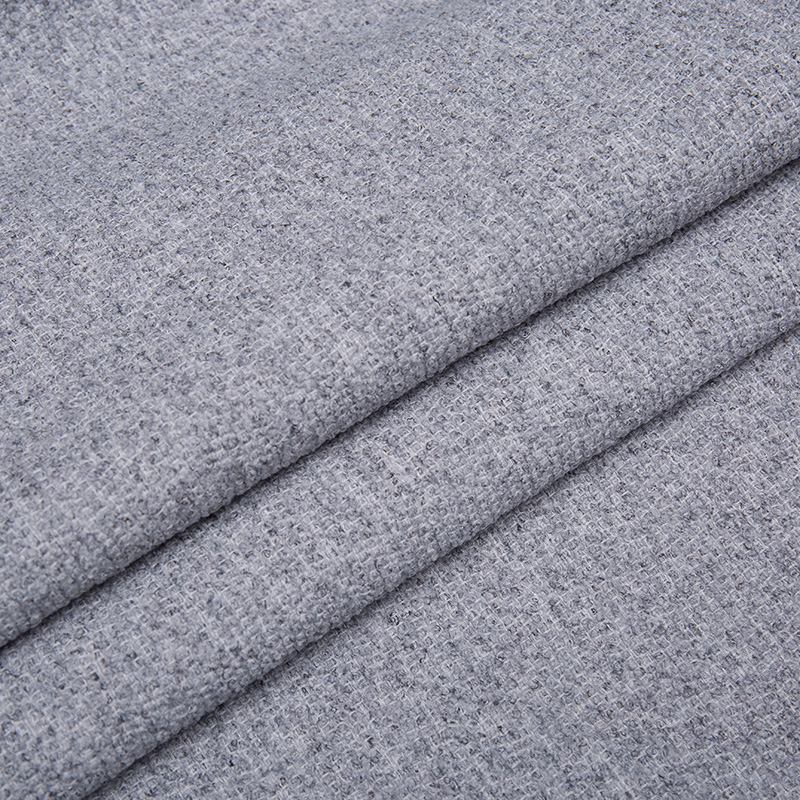
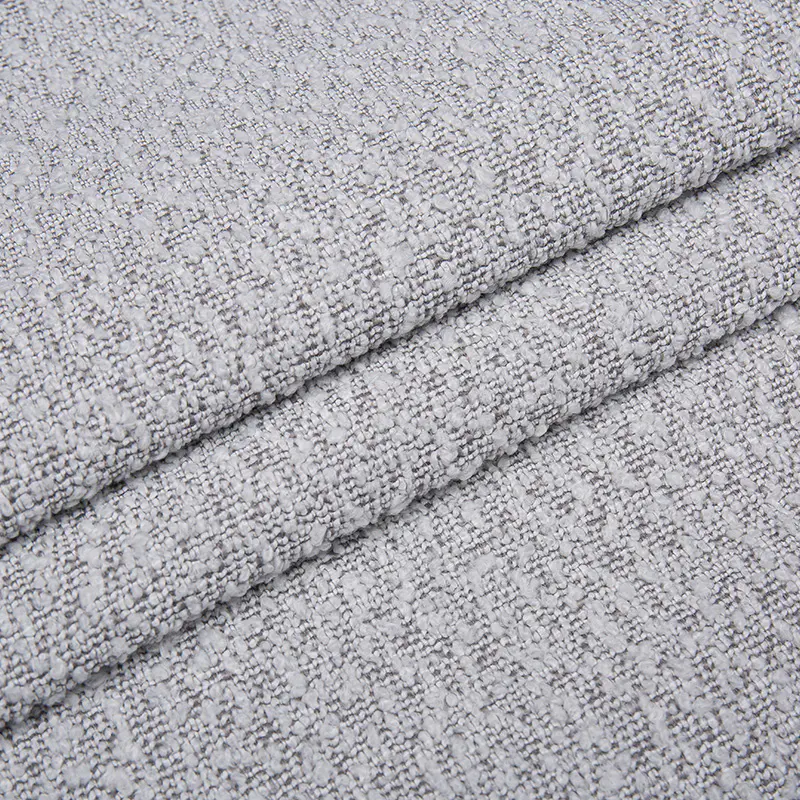
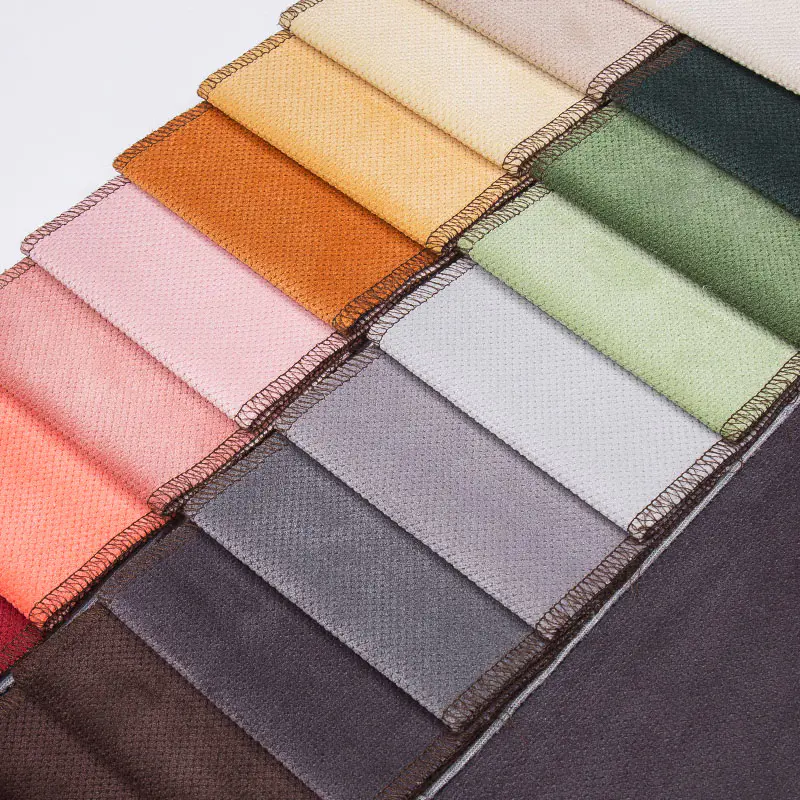
When a textile buyer specifies “soft brushed fabric” for a sofa line, they are usually seeking a balance of tactile comfort and durability that standard woven fabrics cannot provide. The process that creates this hand feel is purely mechanical: after weaving or knitting, the fabric passes over rotating wire or sandpaper-covered rollers that lift and tease short fibers out of the yarn surface. This creates a fine, velvety nap that traps air and softens the hand immediately.
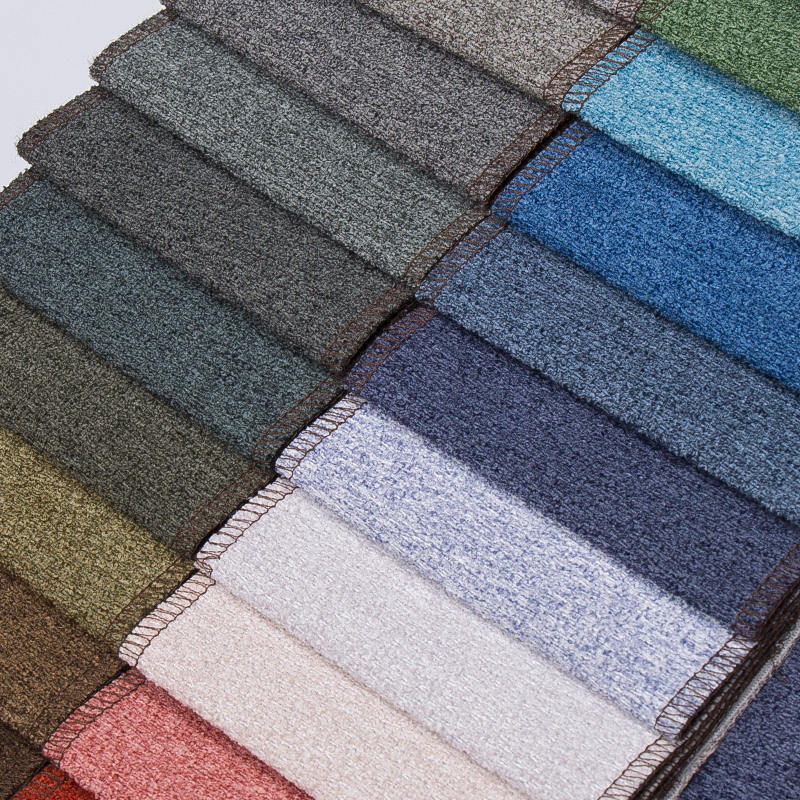
Single‑side brushing adds a subtle, peach‑skin finish to one face of the cloth; double‑side brushing treats both faces for a thicker, more blanket‑like handle. Because the brushing step is applied to the finished textile, the same base construction can be tailored to widely different market segments simply by adjusting the brushing intensity and fiber composition. The result is a fabric that feels warmer and looks richer than its unbrushed counterpart without requiring chemical softeners.
The performance of a brushed fabric depends first on its fiber content. Buyers who skip this analysis often receive samples that feel beautiful but fail after 50,000 Martindale cycles or develop pilling within weeks. The table below distills the practical trade‑offs that matter most for commercial and residential applications.
| Type | Hand Feel & Breathability | Durability & Pilling Risk | Typical Use Cases |
|---|---|---|---|
| Brushed Cotton | Soft, breathable, absorbent; may feel slightly cooler than synthetics | Moderate; prone to wrinkling and surface wear under heavy abrasion | Apparel, baby blankets, light‑duty shirting |
| Brushed Polyester | Plush, warm, quick‑drying; lower breathability | High tensile strength; low‑quality versions may shed microfibers or pill | Upholstery, throw blankets, performance outerwear |
| Brushed Blends | Balanced comfort and resilience; can approach the feel of pure cotton | Good; the cotton component reduces static, while polyester adds structure | Mid‑price sofas, sheets, casual wear |
Brushed cotton starts with a plain weave or twill base and develops a gentle, air‑rich nap that feels cool against the skin. It excels in products worn next to the body, such as nightwear, brushed flannel shirts, and children’s bedding. The main limitation is abrasion resistance: in contract‑grade upholstery, pure cotton rarely exceeds 15,000–20,000 Martindale cycles without visible wear, so it is better suited to light‑duty settings.
Brushed polyester dominates the mid‑market upholstery and home textile sector because it delivers high pile retention and vivid dye uptake at a lower price. The brushed surface mimics the softness of natural fibers without the care constraints—no shrinkage, minimal wrinkling, and fast drying. However, sourcing matters. Cheap, short‑staple polyester brushed aggressively can shed microfibers during early washes, so buyers should ask for a certified anti‑pilling grade or a minimum Martindale rating of 40,000 for heavy‑duty use. For a deeper look at how fiber type changes real‑world behavior, see our brushed fabric types guide.
Cotton‑polyester blends in a 60/40 or 50/50 ratio allow manufacturers to tune the nap stability and moisture absorption. A 50/50 blend brushed lightly on one side can deliver the hand of brushed cotton with twice the seam strength and far fewer wrinkles—qualities that appeal to brands building mid‑price upholstery programs that must hold up in family rooms.
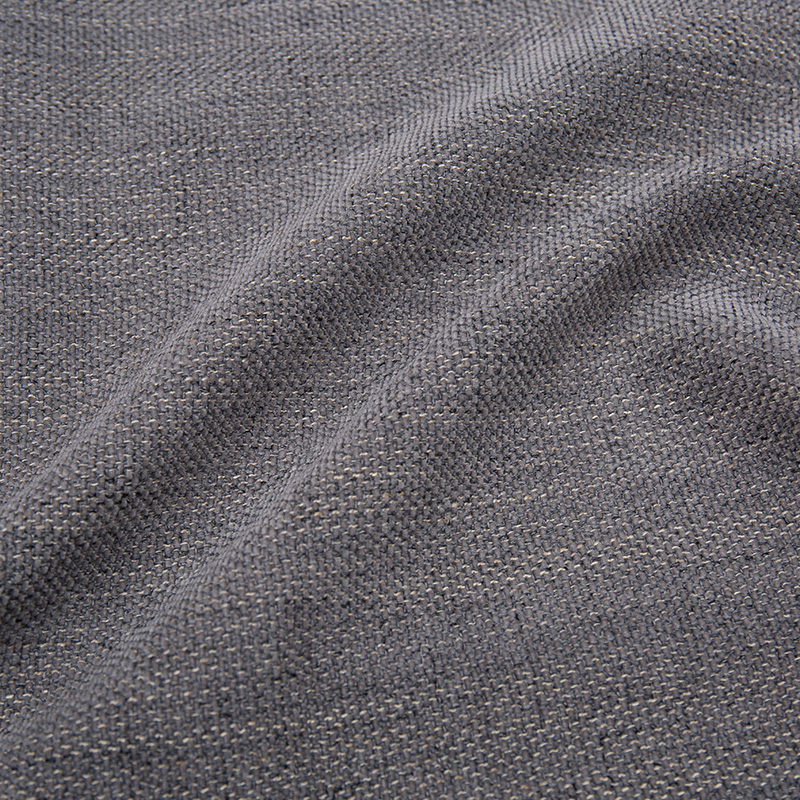
Brushed fabrics bridge the gap between high‑end velvets and basic flat‑woven covers. In sofas and accent chairs, the raised nap hides light soiling and adds visual depth, but the real advantage is the instant tactile reception a customer feels in a showroom. When specifying for upholstery, pay close attention to the Martindale rating and lightfastness grade, because a brushed polyester blend that looks perfect in a showroom can fade near south‑facing windows. Browse our brushed fabric collection to compare constructions designed specifically for furniture use.
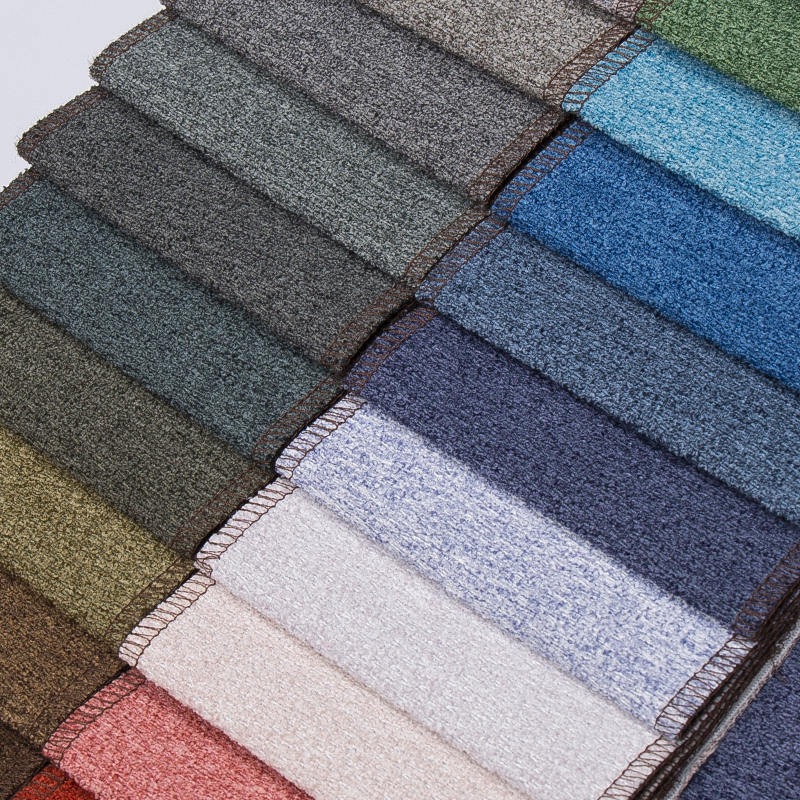 Brushed Sofa Fabric Manufacturers, Soft Brushed Fabric FactoryJiangsu Xiangyi Textile is China Brushed Sofa Fabric Manufacturers and Wholesale Soft Brushed Fabric Factory, Suppliers, we supply Custom...View Product →
Brushed cotton and brushed polyester knits are staples in loungewear, sweatshirts, and jogger bottoms. The loft created by brushing traps body heat, making these fabrics feel warmer than their unbrushed weight suggests. Because apparel undergoes frequent laundering, picking a construction with a high pill‑resistance rating and low fiber‑shedding profile is critical for brand reputation.
Blankets, decorative pillows, and mattress protectors all benefit from the plush, cozy signature of brushed fabric. In these categories, the pile depth and density directly influence the consumer’s perception of luxury. A double‑brushed blanket made from twisted polyester yarns can outperform a single‑brushed acrylic alternative in warmth‑to‑weight ratio while maintaining a similar price point.
Smart buying decisions are built on honest assessments of what a material does well and where it needs help. Soft brushed fabrics are no exception.
Advantages:
Drawbacks to vet in a sample:
Always wash brushed items inside out with cold water (max 30°C) and a gentle detergent. Avoid bleach and strong stain removers, which can degrade the nap and cause yellowing on light colors. A short, slow cycle reduces the mechanical stress that pushes fibers into pills.
Tumble dry on low heat or lay flat to air dry. High heat melts synthetic tips and can set wrinkles permanently. If ironing is necessary, use a synthetic setting and press on the reverse side, ideally with a pressing cloth. Exposing damp brushed polyester to direct heat is the fastest way to ruin the nap alignment.
Even premium brushed fabrics can develop light pilling over time. Run a battery‑operated fabric shaver lightly over the surface once the article is dry; do not pull or stretch the fabric during use. For more long‑term strategies, review our brushed fabric care tips.
When you move from sampling to bulk orders, four criteria separate reliable runs from ones that will generate returns:
Because brushed fabric specifications vary significantly between textile mills, working directly with a manufacturer that can document these data points reduces the risk of batch‑to‑batch inconsistency. Explore our brushed fabric catalog to review technical data sheets and request a hand‑feel sample tailored to your project.
Brushed Sofa Fabric Manufacturers, Soft Brushed Fabric FactoryJiangsu Xiangyi Textile is China Brushed Sofa Fabric Manufacturers and Wholesale Soft Brushed Fabric Factory, Suppliers, we supply Custom...View Product →
From yarn to fabric. At Xiangyi, we stitch quality into every seam, crafting sofa fabric that goes beyond decor—it embodies your home’s unique style.
PRODUCT

+86-18262539999(Meng Lin)