 English
 中文简体
中文简体
 عربى
عربى
Industry News
 By Admin
Content
Jacquard fabric is not defined by its fiber content but by its unique method of weaving. Unlike printed or embroidered patterns that sit on the surface, Jacquard patterns are woven directly into the structure of the fabric. This results in a textile where the design is an inseparable part of the material itself. Because the pattern is woven, Jacquard fabrics do not fade, peel, or wear away like surface prints, making them significantly more durable for high-use applications such as upholstery.
The technical foundation of this fabric is the Jacquard loom, invented by Joseph Marie Jacquard in 1804. This loom uses a series of punch cards to control each warp yarn individually, allowing for the creation of complex patterns with thousands of unique thread movements. For context, a standard loom might control a few hundred threads; a modern electronic Jacquard loom can control over ten thousand individual warp yarns, enabling intricate designs like damask, brocade, and tapestry.
The structural integrity of Jacquard weaving provides specific performance advantages. In upholstery applications, the continuous interlocking of pattern and base yarns eliminates the weak points found in printed fabrics where inks may crack or peel under stress. A typical printed cotton upholstery fabric may show visible wear after 5,000 to 7,000 double rubs on the Martindale abrasion test. In contrast, a polyester-based Jacquard fabric often exceeds 30,000 double rubs, with heavy-duty variants rated for 50,000 to 100,000 rubs.
For apparel, the weave density directly influences drape and breathability. Jacquard fabrics typically feature a higher thread count than standard weaves; a woven Jacquard shirt may have a thread count of 180 to 250 threads per square inch, compared to 80 to 120 for a basic poplin. This higher density creates a fabric that holds its shape better and resists wrinkling. However, the same density reduces airflow: a standard cotton broadcloth has an air permeability of roughly 40 to 60 cubic feet per minute, while a thick cotton Jacquard may drop to 15 to 25 CFM, making it less breathable for summer clothing.
| Fabric Type | Pattern Origin | Typical Abrasion Resistance | Pattern Fade Risk |
|---|---|---|---|
| Jacquard | Woven structural yarns | 30,000 - 100,000 double rubs | None (pattern is woven) |
| Printed Cotton | Surface dye application | 5,000 - 15,000 double rubs | High after 20-30 washes |
| Embroidered | Stitched thread on base | 10,000 - 20,000 double rubs | Low (threads can snag) |
The care requirements for Jacquard fabric depend entirely on fiber composition rather than the weave method. A silk Jacquard blouse requires dry cleaning only, while a cotton Jacquard curtain can often be machine washed. However, every Jacquard fabric shares one vulnerability: the complex weave structure can shrink unevenly if exposed to high heat. Data from textile testing labs show that Jacquard fabrics experience 8 percent to 12 percent dimensional change when washed at 140 degrees Fahrenheit, compared to just 2 percent to 3 percent at 86 degrees Fahrenheit.
To preserve pattern clarity and structural integrity, follow this specific care hierarchy:
Different weaving densities and fiber blends make certain Jacquard fabrics suitable for specific uses. For upholstery projects, look for a fabric weight of at least 350 grams per square meter. Lighter Jacquard fabrics under 200 GSM will not withstand the abrasion of seating surfaces. The table below provides selection guidelines based on end use.
| Application | Minimum Weight (GSM) | Recommended Fiber | Key Property |
|---|---|---|---|
| High-traffic sofa | 450-600 GSM | Polyester or poly-olefin | Stain resistance |
| Drapery / Curtains | 200-300 GSM | Cotton or linen blend | Drape and light filtration |
| Formal wear / Jackets | 180-250 GSM | Wool or silk blend | Shape retention |
| Throw pillows | 300-400 GSM | Cotton-polyester blend | Colorfastness |
Despite its advantages, Jacquard fabric carries specific limitations that affect purchasing decisions. The primary drawback is cost: authentic Jacquard weaving requires more time and specialized machinery. A standard power loom can produce 200 to 300 yards of plain weave fabric per hour. A Jacquard loom producing a complex pattern may output only 40 to 60 yards per hour, increasing labor and machine time costs by roughly 300 percent to 400 percent.
Additionally, Jacquard fabrics are significantly heavier than printed alternatives. A printed cotton decorative pillow cover weighs approximately 150 grams. A Jacquard-woven pillow cover of the same dimensions weighs 220 to 260 grams. This added weight increases shipping costs and may make the fabric unsuitable for lightweight garments such as summer blouses or children's clothing where comfort and low weight are priorities.
Repair difficulty presents another issue. If a Jacquard fabric tears, the woven pattern threads across the damaged area cannot be recreated by simple stitching. A tear that could be mended invisibly on a solid broadcloth will remain visible on a Jacquard because the pattern continuity is broken. For this reason, Jacquard upholstery typically has a shorter effective lifespan than plain weave fabrics in homes with pets or young children, not due to abrasion but due to snag and tear vulnerability.

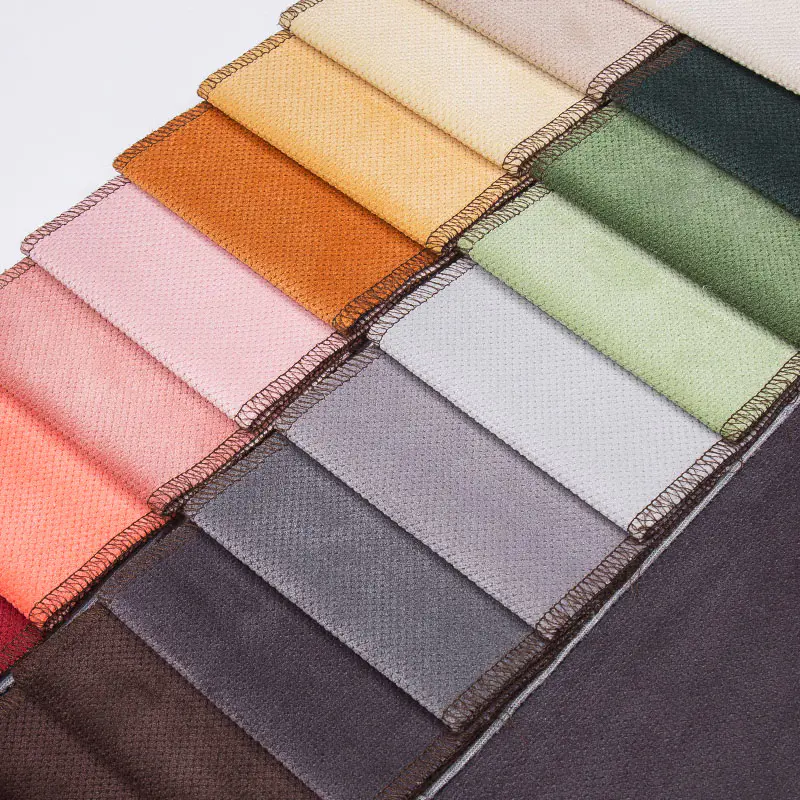
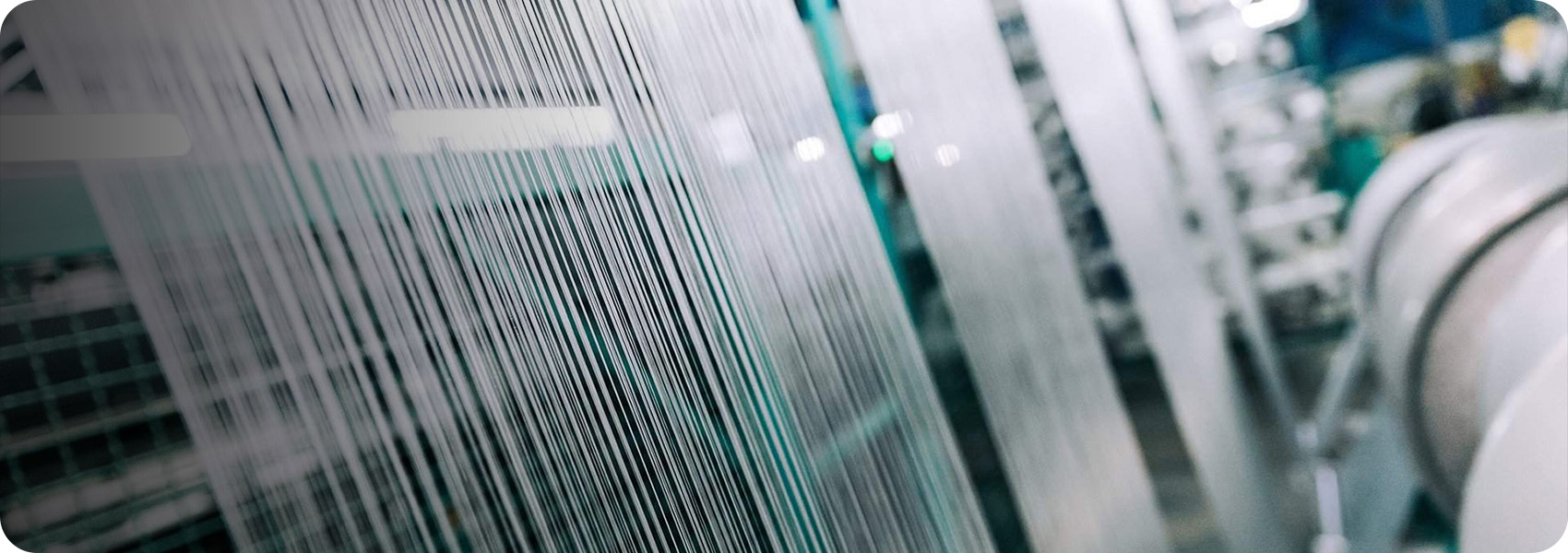
From yarn to fabric. At Xiangyi, we stitch quality into every seam, crafting sofa fabric that goes beyond decor—it embodies your home’s unique style.
PRODUCT

+86-18262539999(Meng Lin)