 English
 中文简体
中文简体
 عربى
عربى
Industry News
 By Admin
Content
Jacquard fabric is a textured material featuring intricate patterns woven directly into the fabric structure rather than printed on the surface. Named after Joseph Marie Jacquard, who invented the Jacquard loom in 1804, this textile is created through a specialized weaving technique that allows complex designs to be programmed into the loom. The result is a durable, reversible fabric with raised patterns that can be felt by touch, making it distinctly different from printed or embroidered textiles.
The defining characteristic of jacquard fabric is its weaving method. Unlike basic weaves, the Jacquard loom controls individual warp threads independently, enabling the creation of elaborate motifs, florals, damasks, and geometric patterns. This technology revolutionized textile manufacturing and remains the foundation for producing high-quality decorative fabrics today. Modern computerized Jacquard looms can create patterns with thousands of threads, achieving unprecedented detail and complexity.
Jacquard weaving produces several distinct fabric types, each with specific characteristics and applications. Understanding these variations helps in selecting the right material for different projects.
Damask is a reversible figured fabric with a glossy pattern contrasting against a matte background. Traditionally made from silk, cotton, or linen, damask features floral or geometric designs and is widely used in table linens, draperies, and upholstery. High-quality damask can contain 300 to 600 threads per inch, creating exceptionally smooth and lustrous surfaces.
Brocade is characterized by raised, embossed patterns often incorporating metallic threads. This luxurious fabric typically features elaborate floral or scrollwork designs and has a heavier weight than damask. Brocade remains popular for formal wear, evening gowns, and ceremonial garments, with premium versions containing real gold or silver threads.
Matelassé creates a quilted or padded appearance through its double-cloth weaving technique. The fabric has a raised, textured surface that resembles hand-stitched quilting without actual padding. This type excels in bedding applications, particularly coverlets and decorative pillows, offering both visual interest and texture.
Tapestry jacquard features heavy, tightly woven construction with pictorial or narrative designs. Modern tapestry fabrics often depict landscapes, historical scenes, or decorative motifs and are used for upholstery, wall hangings, and decorative throws. The tight weave provides exceptional durability, with quality tapestry fabrics lasting decades with proper care.
Jacquard fabric serves diverse industries due to its aesthetic appeal and structural durability. The global jacquard fabric market was valued at approximately $3.2 billion in 2024 and continues growing across multiple sectors.
| Industry | Typical Applications | Preferred Type |
|---|---|---|
| Home Furnishings | Upholstery, curtains, cushions | Damask, Tapestry |
| Bedding | Coverlets, duvet covers, pillowcases | Matelassé, Damask |
| Fashion | Evening wear, jackets, accessories | Brocade, Fine Damask |
| Hospitality | Hotel linens, restaurant seating | Commercial-grade Damask |
| Automotive | Luxury vehicle interiors | Technical Jacquard |
In the fashion industry, designers favor jacquard for creating statement pieces that don't require additional embellishment. Brands like Dolce & Gabbana and Versace regularly feature brocade jacquards in their collections. For home textiles, jacquard upholstery fabrics typically have abrasion resistance ratings of 30,000 to 50,000 double rubs, making them suitable for high-traffic furniture.
Identifying high-quality jacquard fabric requires examining several key factors that affect both appearance and longevity. These criteria help distinguish premium materials from lower-grade alternatives.
Thread count directly impacts fabric quality, durability, and pattern clarity. Premium jacquard fabrics typically feature 200 to 600 threads per inch, with luxury versions exceeding this range. Higher thread counts produce finer details and smoother textures, though extremely high counts may reduce breathability in certain applications.
The base fibers significantly influence performance characteristics. Natural fiber jacquards include:
Synthetic blends incorporating polyester or nylon enhance durability and stain resistance while reducing costs. Many commercial jacquards use cotton-polyester blends (60/40 or 50/50) to balance natural feel with practical performance.
Examine pattern clarity by checking if designs appear sharp and well-defined on both sides of the fabric. Quality jacquard shows consistent pattern registration without skipped threads or irregular spacing. The reverse side should display a clear negative image of the front pattern, indicating proper weaving tension and thread control.
Fabric weight, measured in ounces per square yard or grams per square meter, determines appropriate applications. Upholstery jacquards typically range from 10 to 16 ounces per square yard, while apparel weights fall between 4 and 8 ounces. The hand feel should be appropriate to the intended use—smooth and supple for clothing, firm and substantial for furniture.
Proper care preserves jacquard fabric's appearance and extends its functional life. Care requirements vary based on fiber content and construction, but general principles apply across most types.
Most jacquard upholstery fabrics require professional cleaning or careful spot treatment. For washable jacquards, use these guidelines:
Silk and wool jacquards almost always require dry cleaning. Cotton and synthetic blends offer more flexibility but benefit from gentle treatment to maintain pattern integrity.
Store jacquard fabrics in cool, dry locations away from direct sunlight, which can fade colors over time. For upholstery, rotate cushions every 3 to 6 months to ensure even wear. Garments should be hung or folded with acid-free tissue paper to prevent creasing in raised patterns. Avoid plastic storage bags that trap moisture; instead, use breathable cotton garment bags.
Address spills immediately by blotting—never rubbing—with a clean, white cloth. Water-based stains respond to mild soap solutions, while oil-based stains may require specialized solvents. Always test cleaning products on an inconspicuous area first. For valuable pieces, professional cleaning provides the safest option, particularly for silk brocades or antique jacquards.
Jacquard fabric pricing varies dramatically based on fiber content, complexity of design, and production location. Understanding these factors helps in budgeting for projects and evaluating value.
Entry-level cotton or polyester jacquards start at $8 to $15 per yard, suitable for casual home décor projects or craft applications. Mid-range fabrics featuring cotton-silk blends or intricate patterns range from $25 to $60 per yard. Luxury options using pure silk, complex multi-color designs, or metallic threads can exceed $100 to $300 per yard, with haute couture brocades reaching even higher price points.
Commercial upholstery jacquards designed for high-traffic applications typically cost $30 to $80 per yard, reflecting enhanced durability specifications and stain-resistant treatments. Brands that manufacture in Europe, particularly Italy and France, command premium prices due to traditional craftsmanship and quality control standards.
When comparing prices, consider total project costs including yardage requirements, professional installation or sewing, and expected lifespan. A higher initial investment in quality jacquard often proves economical over time, with premium upholstery fabrics lasting 15 to 25 years compared to 5 to 10 years for budget alternatives.
Contemporary jacquard production increasingly emphasizes environmental responsibility and ethical manufacturing practices. The textile industry faces growing pressure to reduce water consumption, chemical usage, and carbon emissions, leading to innovations in jacquard manufacturing.
Organic cotton jacquards eliminate pesticide use while maintaining pattern quality, though they typically cost 20 to 40 percent more than conventional versions. Recycled polyester jacquards, made from post-consumer plastic bottles, offer similar performance to virgin synthetics while diverting waste from landfills. Some manufacturers now produce jacquards using Tencel or other regenerated cellulose fibers derived from sustainably managed forests.
Digital jacquard technology reduces waste by eliminating physical punchcards and allowing rapid design changes without retooling. Modern computerized looms can achieve 95 percent material efficiency compared to 80 to 85 percent for traditional methods. Additionally, waterless dyeing techniques and natural dye alternatives reduce environmental impact without compromising color fastness or vibrancy.
Certifications like OEKO-TEX Standard 100 and GOTS (Global Organic Textile Standard) help consumers identify fabrics meeting specific environmental and safety criteria. These certifications test for harmful substances and verify sustainable production throughout the supply chain.

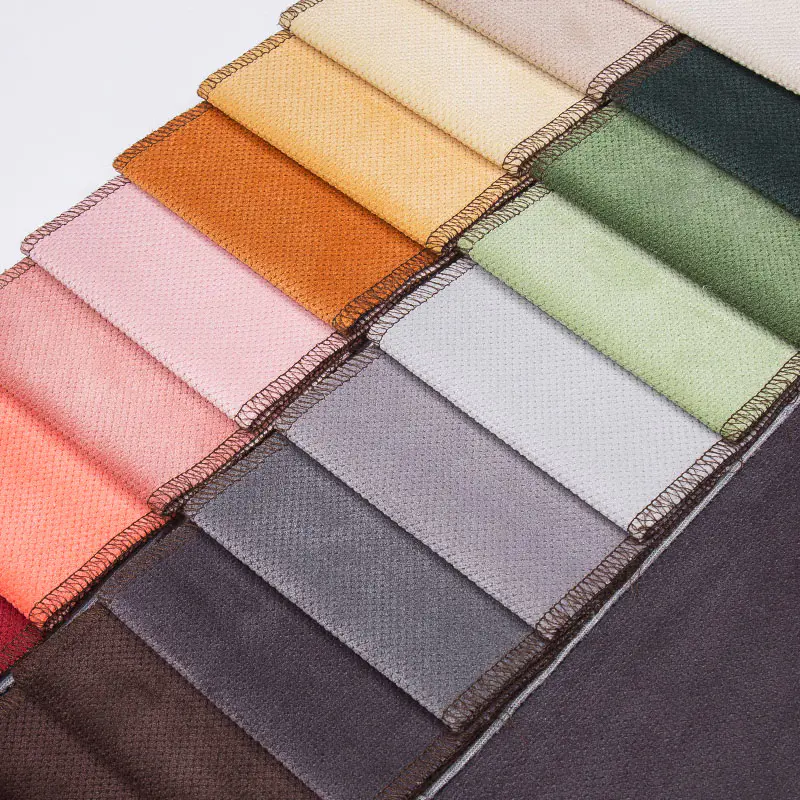
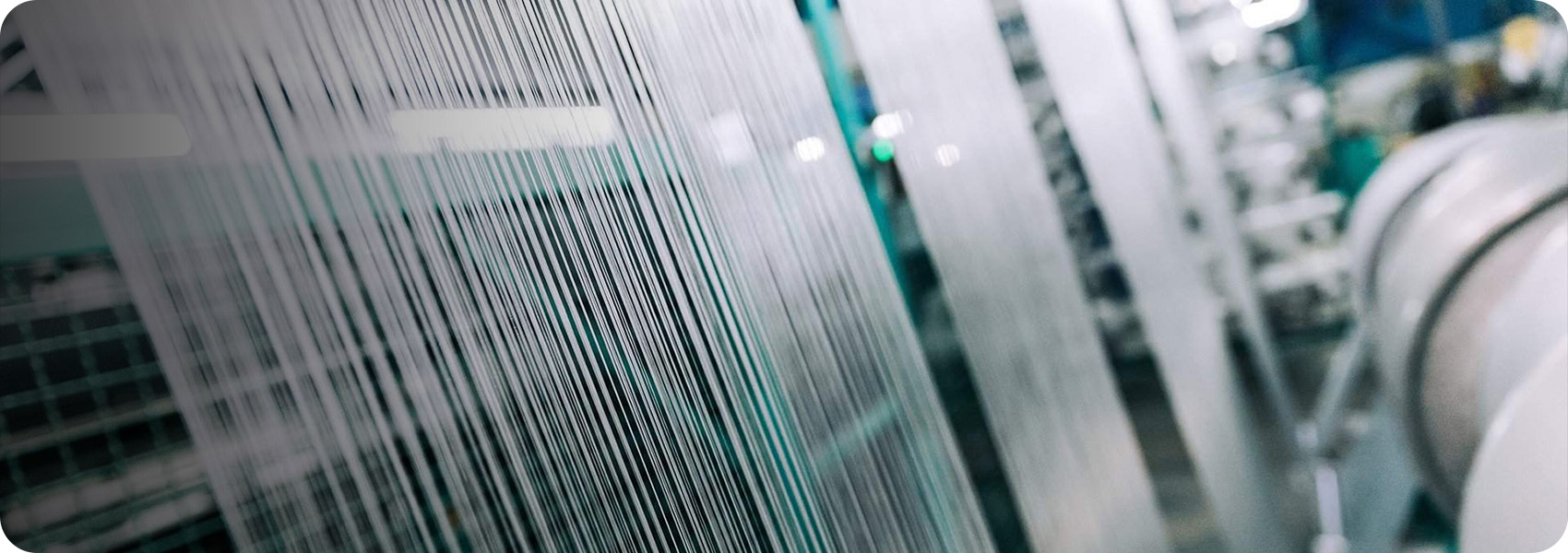
From yarn to fabric. At Xiangyi, we stitch quality into every seam, crafting sofa fabric that goes beyond decor—it embodies your home’s unique style.
PRODUCT

+86-18262539999(Meng Lin)