 English
 中文简体
中文简体
 عربى
عربى
Industry News
 By Admin
Content
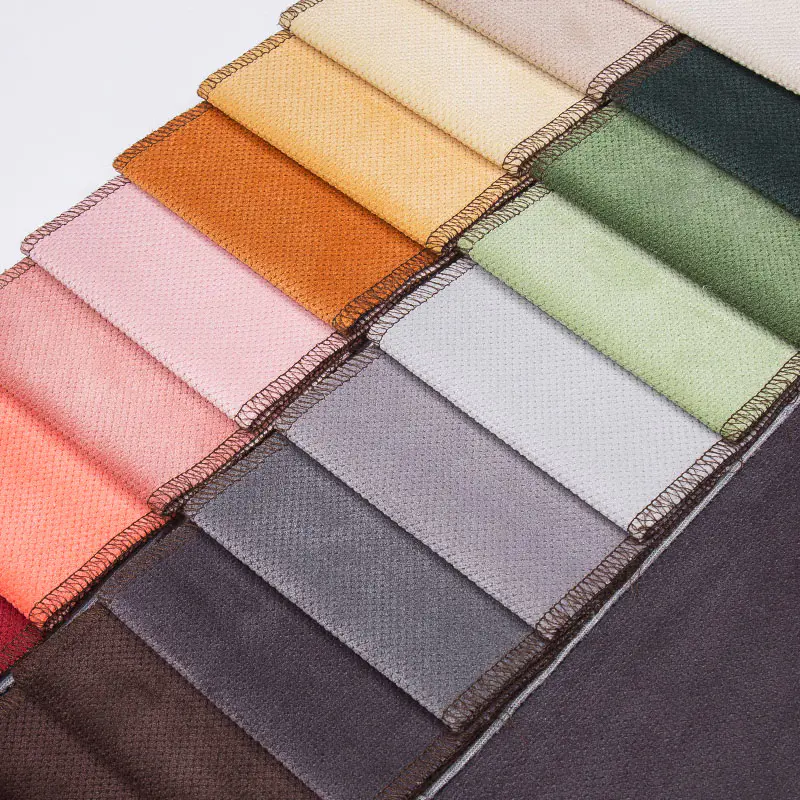
The best chenille sofa fabric strikes a deliberate balance between indulgent softness and real‑world resilience. For a piece that sees daily use, performance chenille delivers a rub count often exceeding 40,000 Martindale cycles without sacrificing the plush, velvety hand that defines the material. Luxury chenille, by contrast, prioritizes a richer tactile experience with a denser pile and a more luminous surface, yet it still offers perfectly acceptable durability for formal living spaces. The core distinction lies not in a simple “better or worse” hierarchy but in matching fabric engineering to the demands of the room.
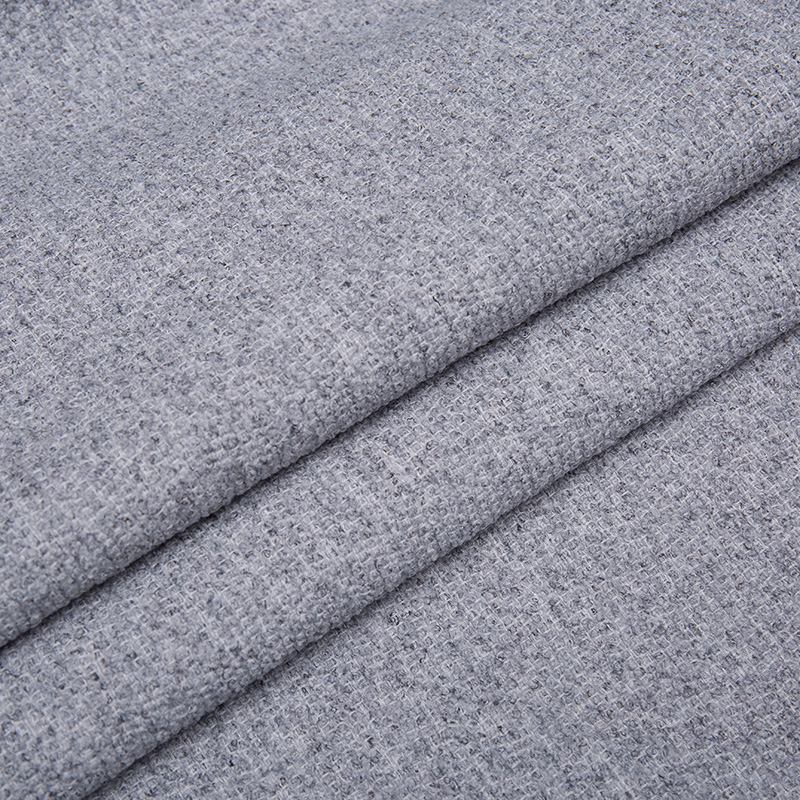
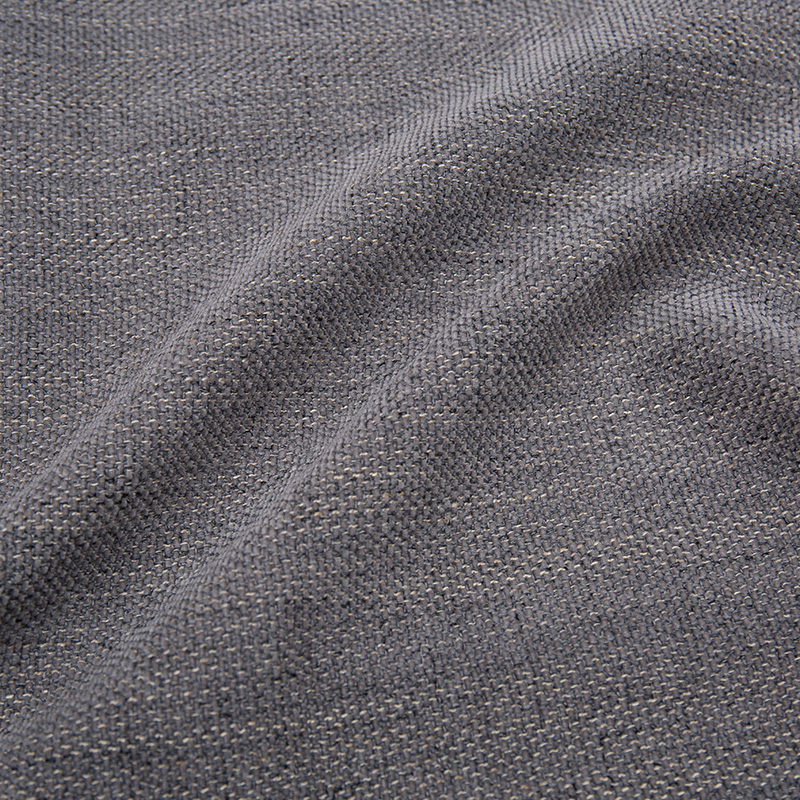
Chenille’s velvet‑like pile is born from a unique spinning and weaving process. Short lengths of yarn are trapped between two core threads, creating a caterpillar‑like surface that is then cut to release the dense, upright nap. This method allows the fabric to hold more air than flat weaves, which directly contributes to its thermal comfort and plush recovery. When you run your hand across a high‑quality chenille sofa, the fibers gently push back rather than flatten permanently – a characteristic called pile resilience.
Fiber composition largely determines whether a chenille leans toward performance or luxury:
Performance chenille is engineered to withstand the chaos of a busy household. Its advantage lies in measurable technical specifications that go far beyond a simple “stain‑resistant” claim. One of the most revealing numbers is the Martindale abrasion score. While a standard domestic fabric might pass at 15,000–20,000 rubs, a genuine performance chenille routinely surpasses 50,000 rubs, and many contract‑quality options exceed 100,000 rubs. This translates to a seat cushion that shows no visible wear from jeans, pet claws, or teenagers flopping down repeatedly.
Stain and moisture management is equally critical. The best performance chenille does not rely solely on a topical spray that washes away. It often integrates a fibre‑level hydrophobic treatment or uses inherently stain‑resistant polyester. Liquids bead up on the surface rather than wicking into the pile core, giving you a window of time to blot spills before they set. For a practical demonstration, look for fabrics tested to AATCC 130 for stain release. A grade of 4 or higher indicates that common household stains – coffee, red wine, ketchup – can be removed with water‑based cleaning, leaving no ring or residue.
Seam slippage also matters for tailored sofa covers. High‑performing chenille utilises a tighter weave or a micro‑backing to keep seams from opening under tension. A seam slippage value below 2 mm at 12 kg load (ISO 13936‑2) ensures that even fitted slipcovers retain their crisp, upholstered look after years of use.
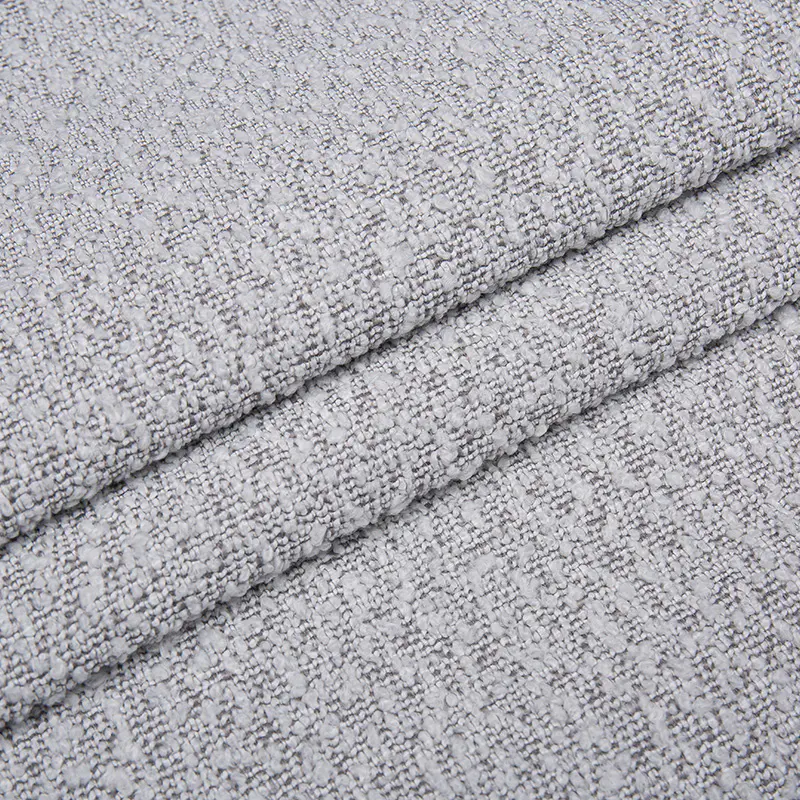
Luxury chenille occupies a different design space: it is meant to be admired as much as it is used. The pile is typically cut longer and stands denser, creating a surface with a subtle movement that catches and diffuses light. This shimmer – often called “chatoyancy” in the textile world – is most pronounced in viscose‑rich blends. In a formal living room, a sofa upholstered in this fabric becomes a focal point, its texture inviting touch while its luster signals expense.
The weight of luxury chenille brings aesthetic benefits. A heavier cloth, often over 600 g/m², drapes with fewer wrinkles and cascades elegantly over cushion edges. This material is less about fighting off wear and more about preserving a moment. It pairs beautifully with accent pillows in complementary textures and is a favourite for pieces that anchor a space without bearing the brunt of daily traffic.
That said, luxury chenille is not fragile. When blended with a percentage of nylon or polyester, its tensile strength increases substantially, and it can still achieve a Martindale score of 25,000–30,000 rubs, which is robust enough for adult‑oriented spaces. The crucial point is maintenance: these natural‑fibre blends often require professional dry cleaning, making them a deliberate, rather than carefree, choice.
| Characteristic | Performance Chenille | Luxury Chenille |
|---|---|---|
| Primary Fibre | Solution‑dyed polyester, acrylic | Cotton, viscose, modal |
| Martindale Rubs | 40,000–100,000+ | 25,000–30,000 |
| Lightfastness | Grade 4–5 | Grade 3–4 (viscose prone to fading) |
| Stain Resistance | Inherent, AATCC 130 Grade 4+ | Topical treatment, may need reapplication |
| Pile Weight | 400–550 g/m² | 550–700 g/m² |
| Cleaning | Water‑based or solvent, often washable covers | Dry clean recommended |
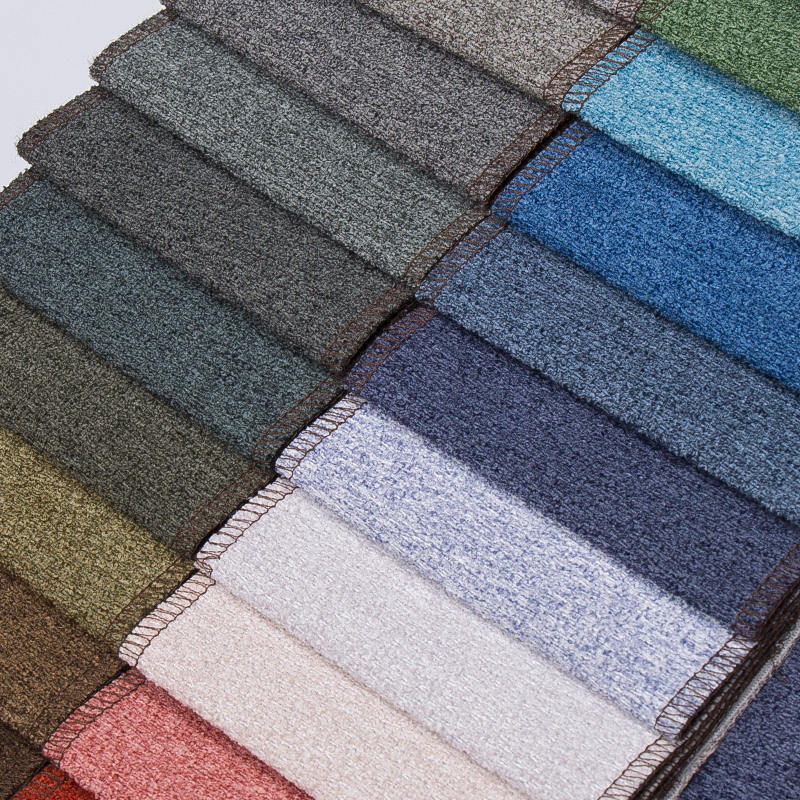
Off‑the‑shelf options rarely tick every box. That is where custom chenille sofa fabric changes the outcome. By specifying the pile height, fibre blend, and backing, you can create a fabric that behaves exactly as your space demands. For instance, a client wanting a pet‑friendly sectional can select a high‑twist polyester chenille with a pile height kept under 3 mm to prevent claws from snagging, while still enjoying a velvet touch. Someone restoring a mid‑century conversation pit can request a cotton‑rich luxury chenille in a bespoke ochre that matches original wallpaper, with a weight of 650 g/m² to recreate the authentic, sculptural drape.
Customisation also extends to performance finishes. You can integrate an antimicrobial treatment that inhibits odour‑causing bacteria – particularly useful for homes with young children – without altering the fabric’s breathability. Flame retardancy standards can be met through back‑coating or inherently flame‑resistant fibres, and the entire process can be documented so the final product aligns with specific contract or residential codes.
Care routines differ sharply between the two categories, and getting this right preserves the investment. For performance chenille, regular vacuuming with an upholstery attachment prevents dirt from grinding into the pile. Rotating cushions every two weeks evens out compression. In the event of a spill, blot immediately with a clean, white cloth and clean with a mild, water‑based upholstery cleaner. Because these fibres resist wicking, the liquid rarely penetrates deeply, allowing you to restore a pristine surface in minutes.
Luxury chenille demands a lighter hand. Never use a beater‑bar vacuum, which can pull at the delicate yarns. Instead, use a handheld vacuum with a lint‑free cloth held over the nozzle to gently lift dust. Address spot stains by quickly absorbing the liquid and then consulting a professional cleaner who specialises in natural fibres. Over‑wetting cotton or viscose chenille can cause pile distortion or water rings, so dry cleaning remains the safest deep‑clean route. When placed out of direct, prolonged sunlight and rotated mindfully, a luxury chenille sofa keeps its opulent hand for decades.
Chenille’s greatest gift is its sensory immediacy, but its true value emerges when the fabric is matched to the way you live. Use performance chenille where life is messy, fast, and full. Reserve luxury chenille for spaces that invite quiet conversation and slow mornings. Either way, the result is a sofa that feels as good as it looks, engineered to do its job without compromise.

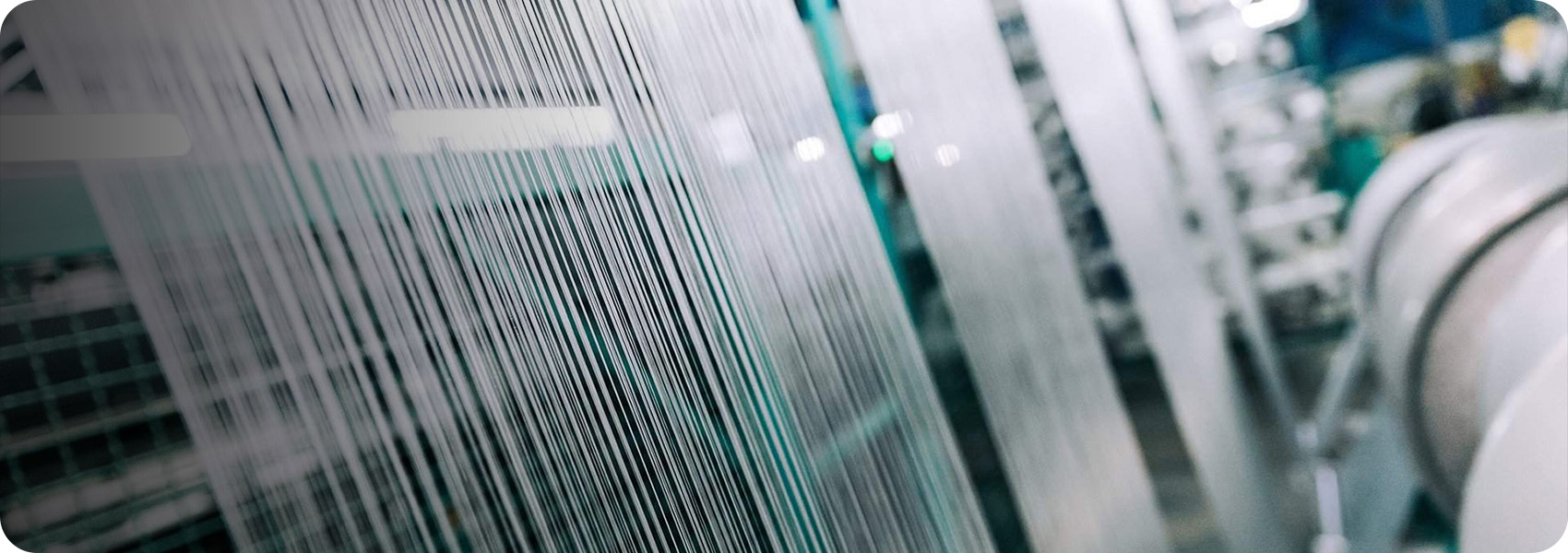
From yarn to fabric. At Xiangyi, we stitch quality into every seam, crafting sofa fabric that goes beyond decor—it embodies your home’s unique style.
PRODUCT

+86-18262539999(Meng Lin)