 English
 中文简体
中文简体
 عربى
عربى
Industry News
Home / News / Industry News / Color Masterbatch Fabric vs. Traditional Dyeing: A Buyer's Practical Guide
 By Admin
Content
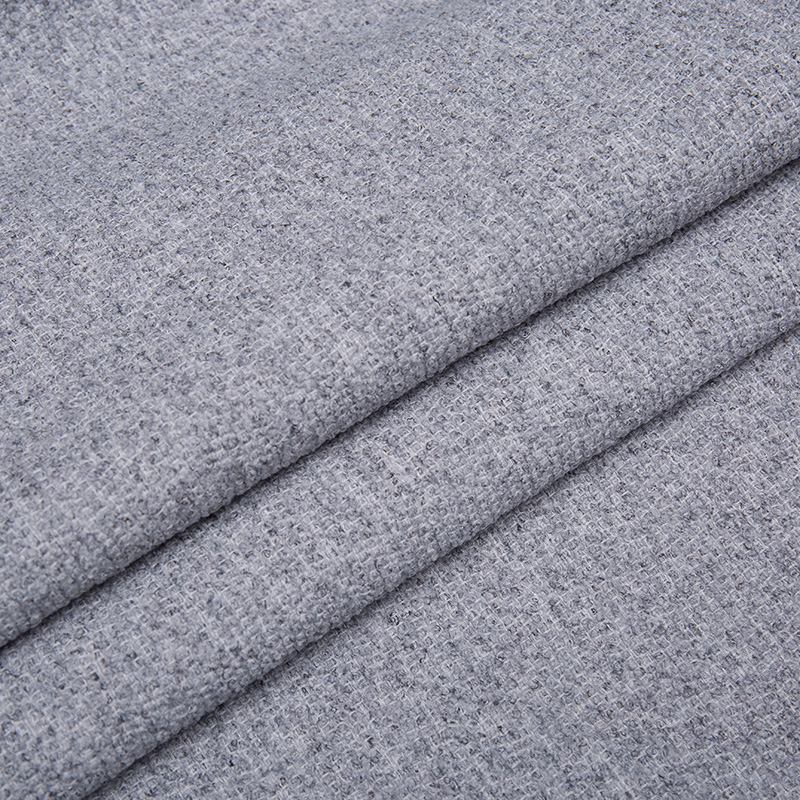
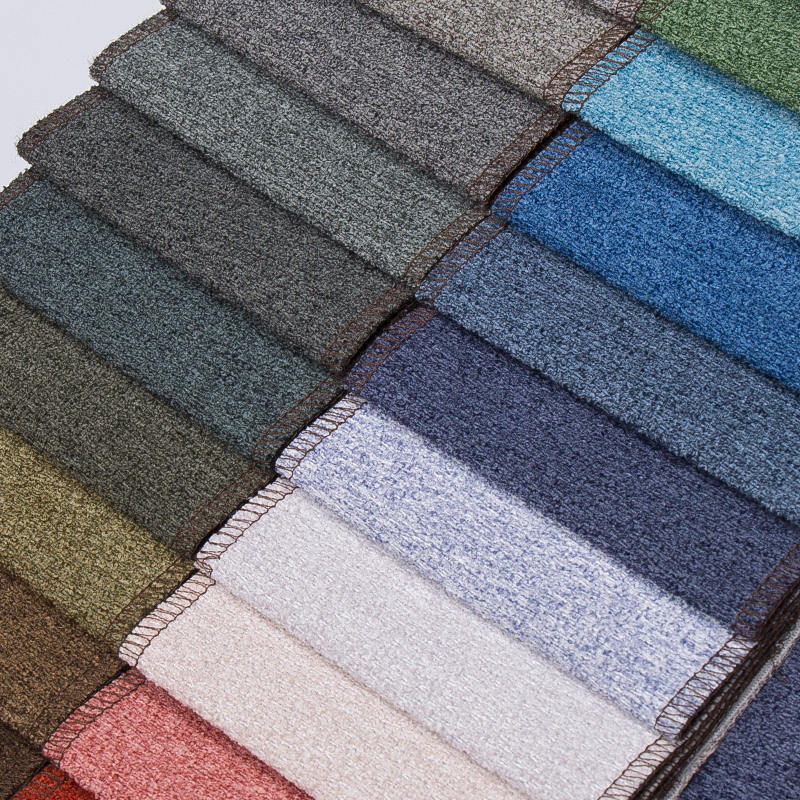
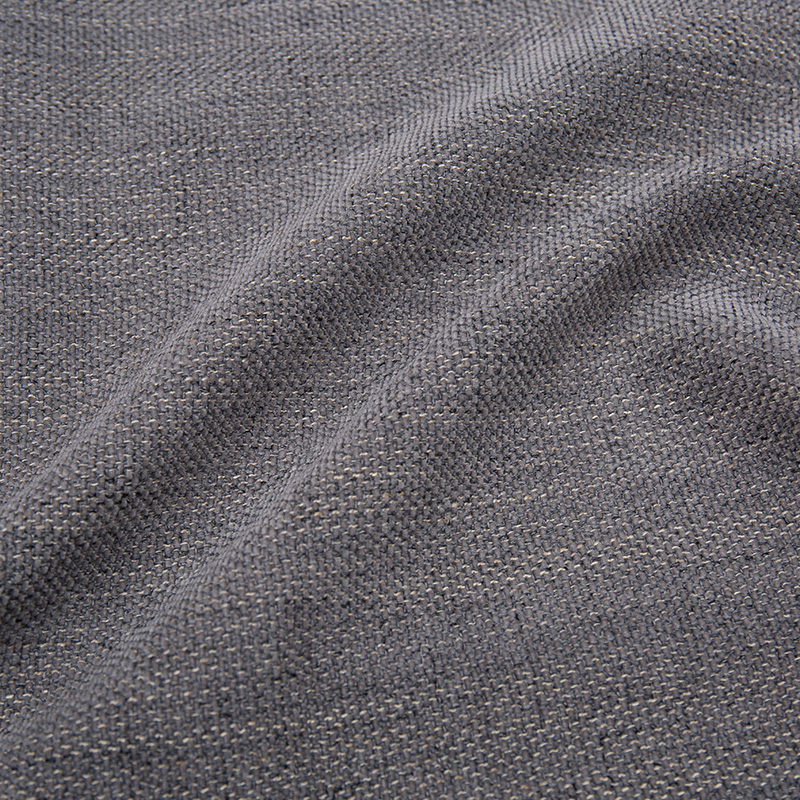
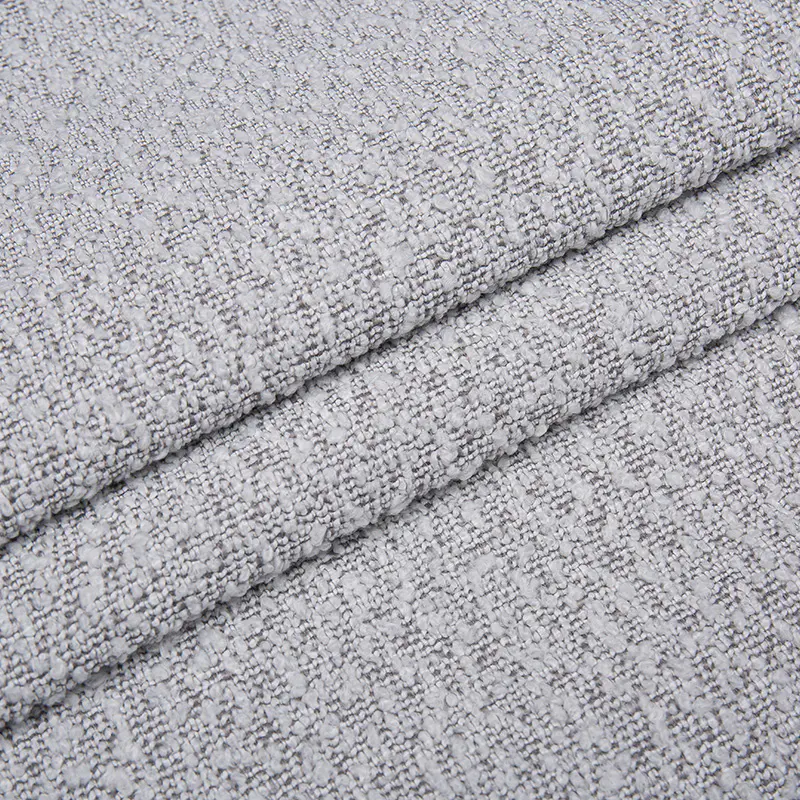
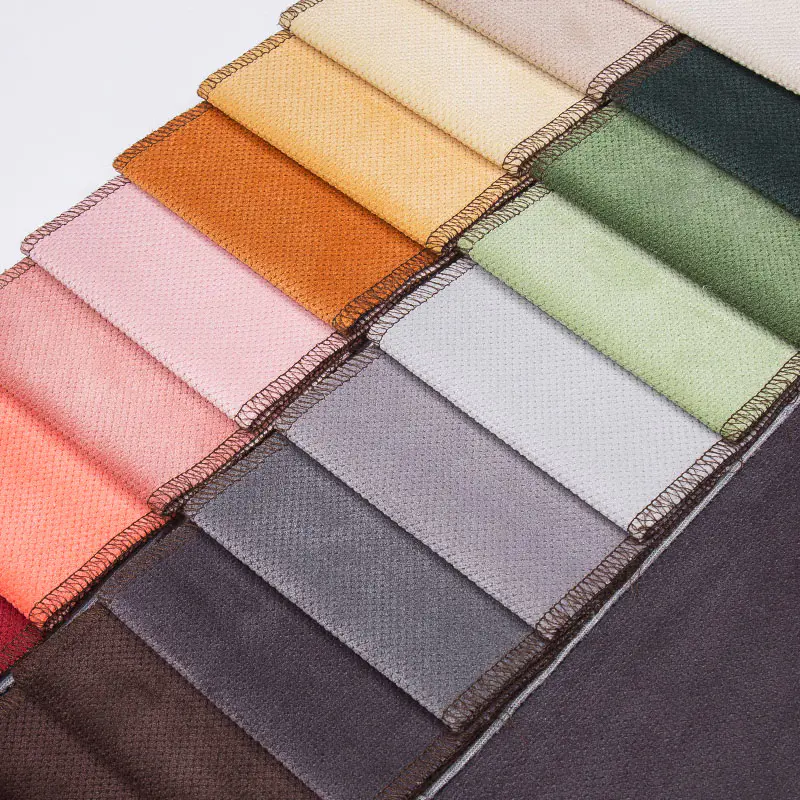
Fabric returns are expensive. One of the most common reasons buyers send shipments back is color inconsistency — rolls that don't match across batches, or hues that shift after the first wash. If you've experienced that, the problem often isn't the weave. It's the coloring method. color masterbatch fabric woven with pigment fixed inside the fiber was developed specifically to eliminate this problem — and understanding how it works helps you make a smarter sourcing decision.
Traditional fabric dyeing adds color after the yarn is spun and often after the fabric is woven. The pigment sits on the surface of the fiber or penetrates only partially, which is why conventionally dyed fabric can fade, bleed, or shift shade when washed repeatedly.
Color masterbatch woven fabric takes a fundamentally different approach. Pigment concentrates — called masterbatches — are blended into the polymer resin before extrusion, so when the yarn is spun, the color is already locked inside the fiber at the molecular level. The result is a yarn that carries its color throughout its entire cross-section, not just on the outer surface.
This distinction has direct consequences for buyers: uniform color along the full yarn length, consistent shade across every roll in a production run, and color performance that holds through washing, abrasion, and UV exposure.
Buyers sourcing upholstery or apparel fabric often see color fastness ratings on spec sheets without a clear explanation of what they mean in practice. The ISO 105 series — which covers washing, light, and rubbing resistance — rates performance on a scale of 1 to 5, where grade 4–5 is the commercial benchmark for most applications.
Because masterbatch pigment is encapsulated within the polymer matrix during spinning, the color isn't accessible to wash chemicals or friction the way surface dyes are. Well-produced masterbatch fabric made through controlled polymer integration routinely achieves grade 4 or above across washing, perspiration, and dry rubbing tests — performance that conventional reactive dyeing struggles to match consistently.
For sourcing managers, this matters most in two scenarios: products that go through frequent laundering (hospitality linens, workwear) and applications where color matching across repeat orders is critical (automotive interiors, corporate upholstery programs).
Conventional fabric dyeing is water-intensive and generates significant effluent containing residual dyes and fixing agents — a liability in markets with strict environmental compliance requirements. The masterbatch process bypasses the dyeing bath entirely. Since pigment is integrated during fiber production, no post-weave dyeing wastewater is generated.
The pigments used in standard masterbatch formulations are typically certified against major eco-toxicity standards, making them compatible with REACH compliance in the EU and similar requirements elsewhere. For buyers building sustainable supply chains or sourcing for markets where environmental documentation is required at customs, this significantly reduces friction.
Xiangyi Textile, established in 2005 and now operating across seven production facilities, produces close to 400,000 meters of sofa fabrics and 100,000 meters of apparel fabrics daily using eco-compatible pigments throughout its color masterbatch fabric line.
Masterbatch fabric isn't the right choice for every application — but there are specific scenarios where it's the logical default:
If color variety is the main priority and the application involves limited washing cycles, reviewing masterbatch selection criteria against your specific performance requirements will help narrow the decision.
Not all masterbatch fabric is produced with the same level of process control. Before committing to a supplier, check these four points:
The full technical overview of color masterbatch woven fabric properties and production standards provides additional context for evaluating supplier capability.
Color problems discovered after delivery are far more expensive than color problems prevented at the specification stage. Masterbatch fabric solves the most common sourcing pain points — batch inconsistency, poor wash fastness, and environmental compliance burden — at a price point that remains competitive with conventional dyed alternatives. The key is knowing what to ask suppliers before you order, not after the fabric arrives.

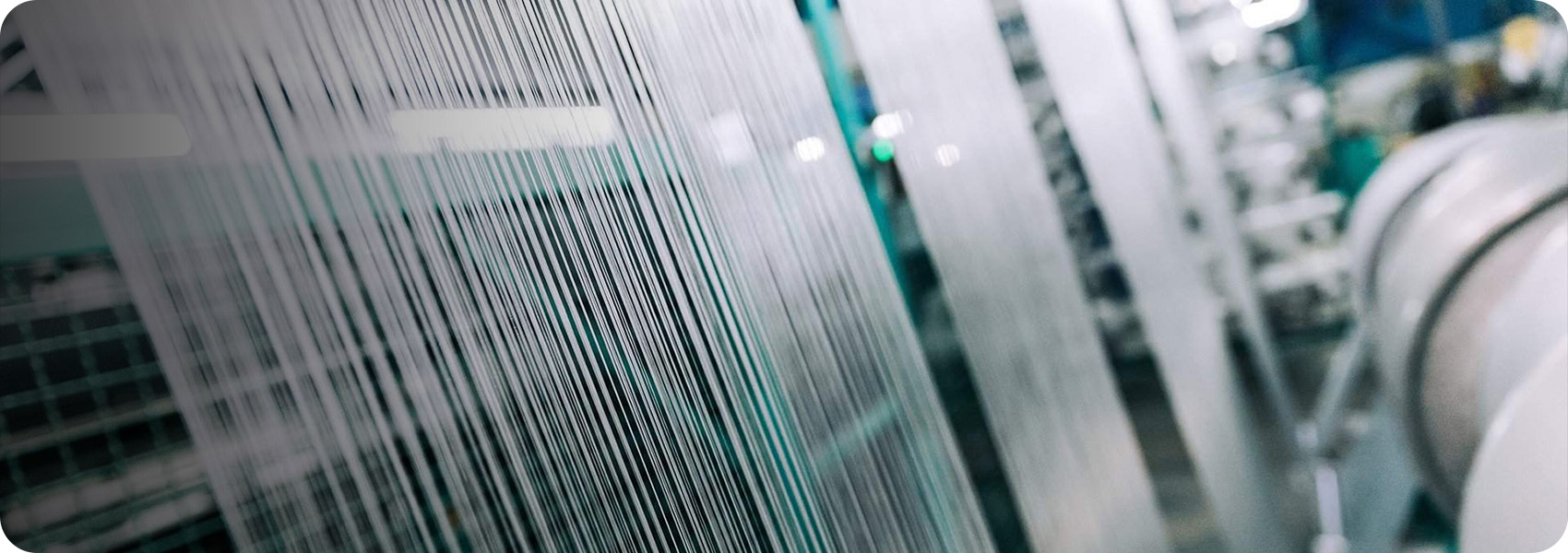
From yarn to fabric. At Xiangyi, we stitch quality into every seam, crafting sofa fabric that goes beyond decor—it embodies your home’s unique style.
PRODUCT

+86-18262539999(Meng Lin)