 English
 中文简体
中文简体
 عربى
عربى
Industry News
Home / News / Industry News / Masterbatch Woven Fabric: Practical Application, Selection & Processing Guide
 By Admin
Content
In woven fabric manufacturing, masterbatch plays a pivotal role in enhancing performance characteristics and achieving precise coloration. “Masterbatch woven fabric” refers to the concentrated blend of additives and pigments that are mixed into polymer resins prior to fiber extrusion. These masterbatches are engineered to ensure uniform dispersion and predictable outcomes during the weaving process. Unlike generic additives, masterbatches designed for woven fabric production must withstand high processing temperatures and maintain stability during extrusion, drawing, and weaving.
The practical intent of using masterbatch is to deliver consistent quality, reduce waste, and enhance functional properties such as UV resistance, flame retardancy, anti-static behavior, and strength. This article focuses on actionable guidance for selecting and using masterbatch in woven fabrics rather than broad theoretic discussion.
Masterbatch comes in several categories, each serving distinct roles in polymer modification for woven fabrics. Understanding the differences helps you choose the right solution for your product requirements.
Color masterbatches contain high concentrations of pigments tailored for specific polymer systems such as polypropylene (PP) or polyethylene (PE). When manufacturing colored woven fabrics (e.g., colored PP bags), a quality color masterbatch ensures uniform shade and resistance to fading. Choosing masterbatch with well-dispersed color carriers minimizes specks and color variability.
Additive masterbatches modify the properties of the polymer to improve performance. Common functional masterbatches include UV stabilizers, antioxidants, antistatic agents, and flame retardants. Within woven fabric production, additives can significantly extend product life and performance outdoors or under mechanical stress.
Selecting the right masterbatch for woven fabric requires careful evaluation of material compatibility, processing conditions, regulatory compliance, and end-use performance expectations. Below are actionable selection criteria based on real production scenarios.
Ensure the masterbatch carrier resin matches the base polymer used in your woven fabric. For example, if your production uses polypropylene tapes, choose a masterbatch with a PP carrier. Mismatched carriers can cause poor dispersion, reduced mechanical properties, and processing instability.
Masterbatches must tolerate extrusion and fiber-drawing temperatures without degrading. Check thermal stability data sheets and ensure melt flow index (MFI) compatibility with your base resin. For high-speed production lines, masterbatches with narrow MFI variation help maintain consistent throughput.
Certain applications (e.g., food-grade sacks, medical fabrics) require masterbatches that comply with regulatory standards like FDA, REACH, or OEKO-TEX®. Confirm that the additive packages meet these standards to avoid costly product recalls or non-compliance penalties.
Once the appropriate masterbatch is selected, integrating it into the production process correctly is key to achieving desired quality and performance. The sections below describe best practices from weighing and mixing to extrusion and weaving.
Precision in weighing masterbatch ensures color consistency and performance reliability. Automated dosing systems can deliver exact masterbatch percentages (often 1–5% by weight depending on function). Pre-blending masterbatch with base resin in a tumble mixer enhances uniform distribution before extrusion.
During extrusion, maintain consistent screw speed and barrel temperatures to promote thorough melting and dispersion of masterbatch components. High shear in the extruder aids pigment and additive dispersion—but excessive shear can degrade sensitive additives, so monitor torque and temperatures closely.
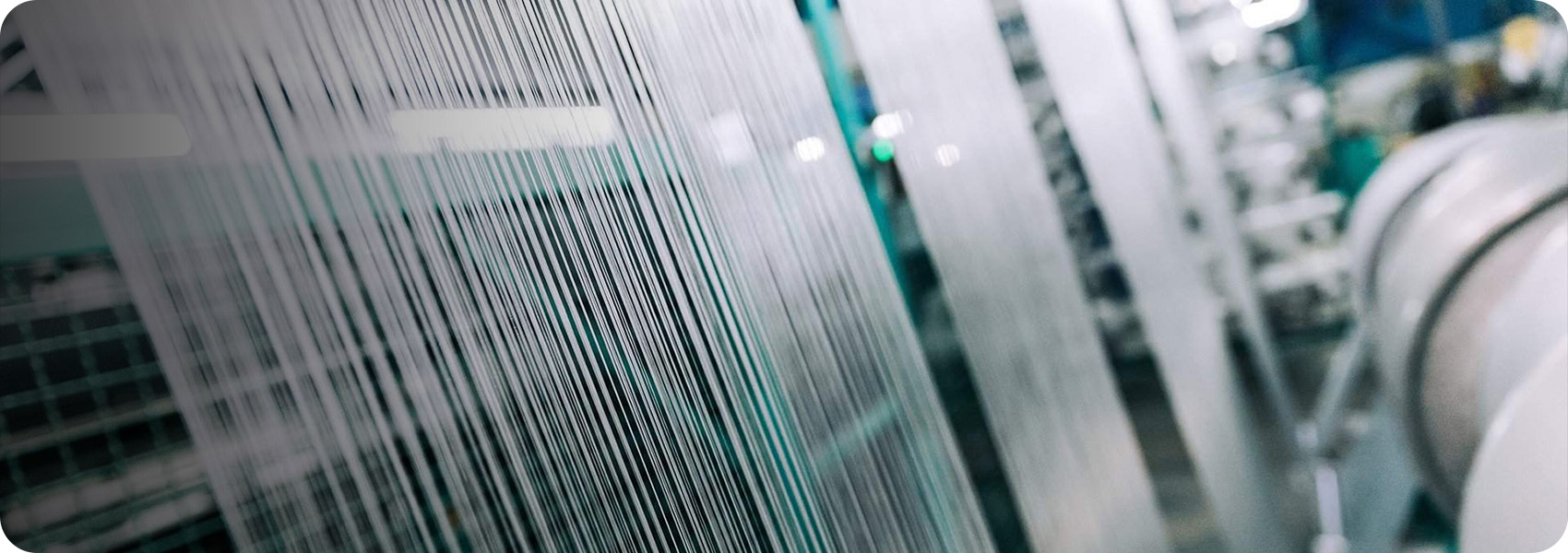
As the polymer melt is drawn into tapes or filaments for weaving, color and additive distribution should be verified through inline optical sensors or off-line lab checks. Any uneven dispersion can lead to streaks or performance defects in the final woven fabric.
Despite careful planning, issues can arise during production. The table below outlines common problems, potential causes, and corrective actions to help operators quickly troubleshoot masterbatch-related defects.
| Issue | Possible Cause | Corrective Action |
| Color Variation | Inconsistent Masterbatch Dispersion | Increase pre-blend time or improve dosing accuracy |
| Weak Tensile Strength | Incorrect Masterbatch Carrier or Contamination | Verify carrier compatibility and clean mixing equipment |
| Processing Instability | Thermal Degradation of Additives | Adjust temperature profile and choose heat-stable masterbatch |
Below are real-world examples of how specialized masterbatch formulations solve specific manufacturing challenges in woven fabric production.
For shade fabrics exposed to prolonged sunlight, a UV stabilizer masterbatch significantly increases weather resistance. Incorporating 2–3% UV masterbatch designed for high UV environments prevents polymer chain breakdown and color fading over time. Combining UV stabilizers with antioxidants further boosts longevity.
Food packaging applications require masterbatches that comply with food contact regulations. Use FDA-compliant color and additive masterbatches with minimal extractables. Consistent dosing and clean processing conditions are critical to ensure product safety and regulatory compliance.
Optimizing masterbatch use in woven fabric production requires deliberate selection, precise processing, and proactive quality control. Align masterbatch type with polymer compatibility, verify thermal stability, and monitor dispersion during production to achieve consistent color and performance. Incorporating functional additives like UV stabilizers and antistatic agents enhances product value and meets specific application demands. By following these practical guidelines, manufacturers can reduce defects, improve reliability, and ultimately deliver higher‑quality woven fabric products.

From yarn to fabric. At Xiangyi, we stitch quality into every seam, crafting sofa fabric that goes beyond decor—it embodies your home’s unique style.
PRODUCT

+86-18262539999(Meng Lin)