 English
 中文简体
中文简体
 عربى
عربى
Industry News
 By Admin
Content
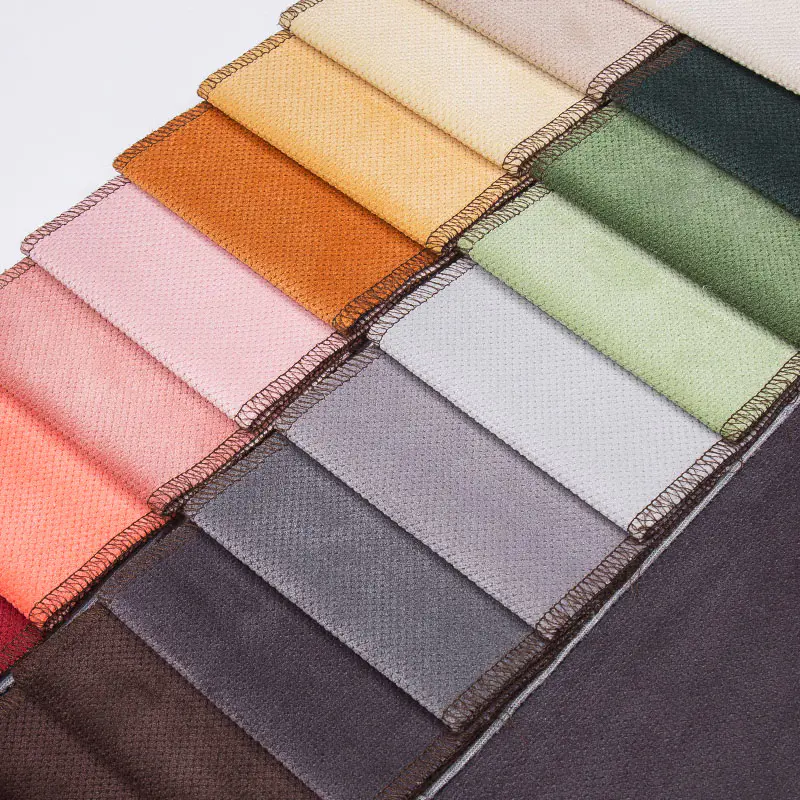
Masterbatch fabric refers to textiles produced through a coloration process where pigments or additives are pre-dispersed into a concentrated carrier resin before extrusion. This method imbues the polymer fiber with color at the molten stage rather than applying it topically. The result is a fabric where the color is an integral structural component of the filament, not merely a surface coating. This intrinsic bonding creates exceptional fastness properties, eliminating the vulnerability to fading or washing out that plagues conventionally dyed materials. The technology eliminates the need for large-scale water-based dye baths, acting as a foundational shift in how synthetic textiles achieve their aesthetic and functional attributes. The core advantage is unmatched color uniformity throughout the cross-section of every single fiber, ensuring identical shade reproduction from the core to the surface.
The production of masterbatch fabric follows a tightly controlled sequence distinct from traditional wet processing. The process bypasses the liquid dye stage entirely, integrating coloration directly into polymer synthesis and spinning.
Manufacturers select a base polymer compatible with the final fiber. Polypropylene and polyester are the most common carriers. The carrier must melt at a temperature that ensures homogeneous mixing without degrading the pigment. Compatibility ensures that the resulting yarn possesses maximum tensile strength, as poorly chosen carriers create weak points in the filament. The carrier accounts for 40% to 70% of the masterbatch composition, acting as the binding agent that encapsulates the pigment particles.
High-shear mixing equipment disperses pigment agglomerates down to primary particle sizes, typically under 5 microns. Inadequate dispersion leads to clogged spinnerets and weak filament integrity. Twin-screw extruders provide the mechanical energy necessary to break down aggregate structures. The pigment concentration in a masterbatch often ranges from 15% to 45%, depending on the tinctorial strength required. Achieving uniform dispersion prevents streakiness in the final yarn and ensures consistent lightfastness ratings across production lots.
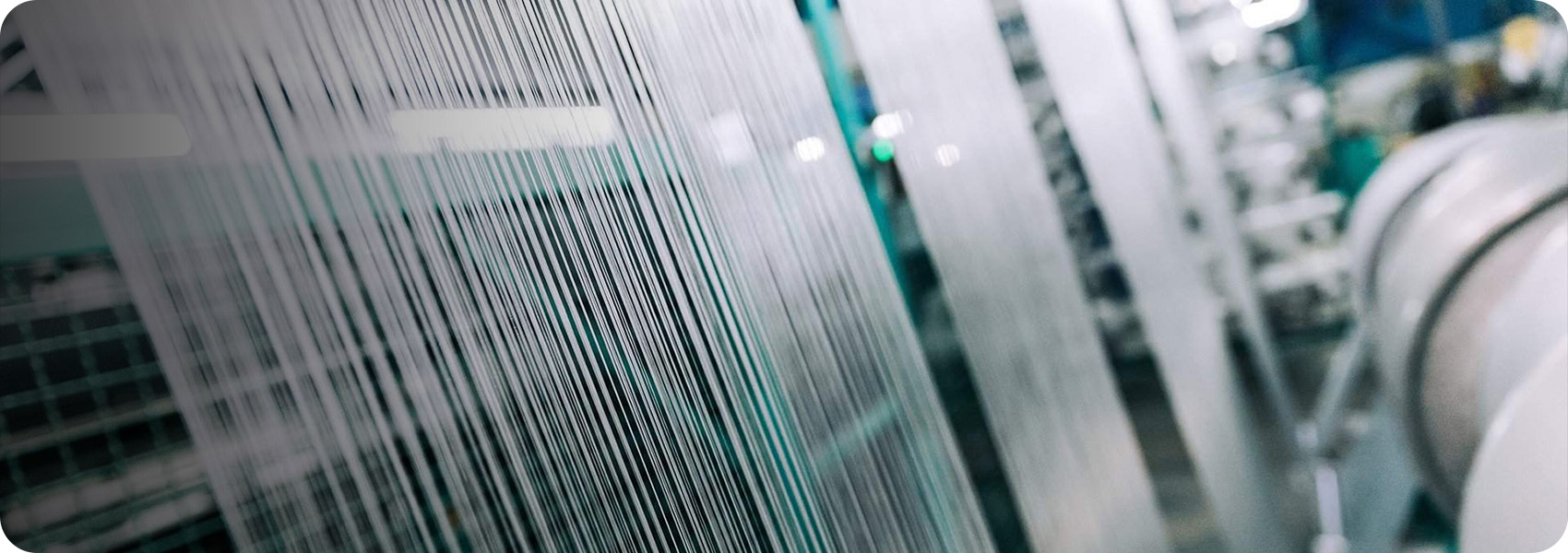
The masterbatch pellets are dosed into the main polymer stream at a controlled let-down ratio, usually between 2% and 4%. The mixture melts and passes through precision spinnerets. As the filaments cool, the color locks into the polymer matrix. This spin-dyeing method creates fibers ready for textile conversion without further chemical treatment, significantly cutting production lead times. The elimination of post-dyeing also means the fibers do not endure the thermal stress of high-temperature dye baths, preserving their original tenacity.
The divergence between masterbatch coloration and aqueous dyeing systems spans ecological, economic, and technical metrics. The table below clarifies the operational contrasts.
| Parameter | Masterbatch Fabric | Traditional Piece Dyeing |
|---|---|---|
| Water Consumption | Negligible (dry process) | High (up to 100 liters per kg) |
| Chemical Discharge | None | Salts, unfixed dyes, auxiliaries |
| Color Fastness | Excellent (pigment locked in polymer) | Varies; susceptible to migration |
| Batch Reproducibility | Highly consistent | Prone to lot-to-lot variation |
The data underscores a shift toward dry manufacturing. Masterbatch fabric offers a closed-loop solution where water usage is effectively zero, while traditional dyeing operations consume substantial volumes and generate effluent containing hazardous salts. From a commercial standpoint, the color precision inherent in masterbatch formulations reduces seconds-quality fabric waste significantly.
Moving beyond production metrics, the performance of masterbatch fabric in real-world applications solidifies its market position. The intrinsic coloration offers defense against degradation mechanisms that destroy surface-dyed fabrics.
Pigments inside the fiber act as a UV shield, scattering light and protecting the polymer backbone from photodegradation. In outdoor upholstery applications, masterbatch-dyed polyester retains over 85% of its tensile strength after 1,000 hours of accelerated weathering, compared to a sharp decline in vat-dyed alternatives. This makes it the preferred choice for automotive interiors and outdoor furniture, where fade resistance is non-negotiable.
Because the pigment is integral to the fiber mass, scrubbing and friction do not remove color. This is particularly vital in contract upholstery and luggage, where fabrics undergo constant mechanical stress. The surface does not display white stress marks when stretched, maintaining aesthetic uniformity during use. Industrial laundry testing confirms that masterbatch fabrics withstand over 200 wash cycles with a Delta E color change of less than 0.5, essentially undetectable to the human eye.
The economic model of masterbatch fabric is driven by process consolidation. By eliminating the dyeing and scouring stages, manufacturers cut thermal energy costs and production cycle times. A typical production line can transition between colors in minutes by purging the feed system, whereas liquid dyeing requires cleaning massive vats. The reduction in rejected inventory is a primary fiscal lever. Factories report a 12% to 18% reduction in total unit cost when converting from piece dyeing to masterbatch spinning for medium to dark shades. Although the upfront cost of specialized masterbatch pellets can be higher, the net margin improves when calculating the avoidance of effluent treatment taxes and energy recovery.
Beyond basic coloration, masterbatch technology serves as a delivery vehicle for high-performance additives. The same incorporation process that locks in color simultaneously integrates functional chemistries that enhance fabric utility. Anti-static properties are embedded directly into the thread, which dissipates electric charges permanently rather than relying on washable topical sprays. Flame-retardant masterbatches achieve compliance with safety standards without off-gassing or leaching, critical for protective workwear. Furthermore, antimicrobial silver-ion masterbatches inhibit bacterial growth on the textile surface, a crucial requirement for medical soft goods. The ability to combine color and three distinct functional properties in a single step represents a technological convergence that traditional multi-stage processing cannot replicate. Optical brighteners and infrared-reflecting pigments further extend functionality, enabling energy-efficient heat management in architectural fabrics.
A thorough evaluation of masterbatch fabric must address its environmental footprint. The dry process directly addresses the textile industry's water scarcity crisis. The water footprint for 1 kilogram of spun-dyed polyester is less than 1 liter, contrasting with nearly 100 liters for reactive dyeing of cotton. The elimination of hazardous dye carriers and fixing agents also removes occupational health risks from the factory floor. End-of-life considerations reveal that masterbatch-colored fibers are technically simpler to recycle than mixed-material dyed fabrics. The polymer purity remains high, with no contamination from sulfonated dye molecules, which can degrade mechanical recycling output. The complete absence of effluent sludge results in a negative carbon cost differential when scaled across annual global production volumes.
Specifiers must align the masterbatch chemistry with the host polymer to ensure stability. Polyolefin fibers typically use low-melting-index carriers to maintain spinning pressure, while polyamide fibers demand pigments resistant to reduction at high temperatures. Particle size distribution below 10 microns remains critical to filter pack life. An industrial survey showed that spinneret plugging rates drop by 40% when premium dispersion grades replace generic colorants. For converters sourcing ready-made masterbatch fabric, verifying the supplier’s let-down control system guarantees that color variation stays within a Delta CMC tolerance of 0.5. Procuring fibers with embedded UV inhibitors typically extends geotextile service life by more than five years compared to un-stabilized counterparts.
Research continues to push the limits of particle engineering and bio-based carriers. Nanopigment dispersions are enabling micro-denier fabrics with deeper, more brilliant colors while maintaining filament draw ratios. The integration of phase-change materials into masterbatch pellets is creating smart textiles that actively regulate body temperature without complex laminates. Machine vision monitoring systems now continuously scan spinneret output to adjust pigment dosing with millisecond response times, closing the loop on automated quality control. Industry pilot lines are testing biodegradable masterbatch carriers that maintain processing stability during extrusion yet decompose safely in marine environments, addressing the synthetic fiber pollution challenge at the chemical design stage.

From yarn to fabric. At Xiangyi, we stitch quality into every seam, crafting sofa fabric that goes beyond decor—it embodies your home’s unique style.
PRODUCT

+86-18262539999(Meng Lin)