 English
 中文简体
中文简体
 عربى
عربى
Industry News
 By Admin
Content
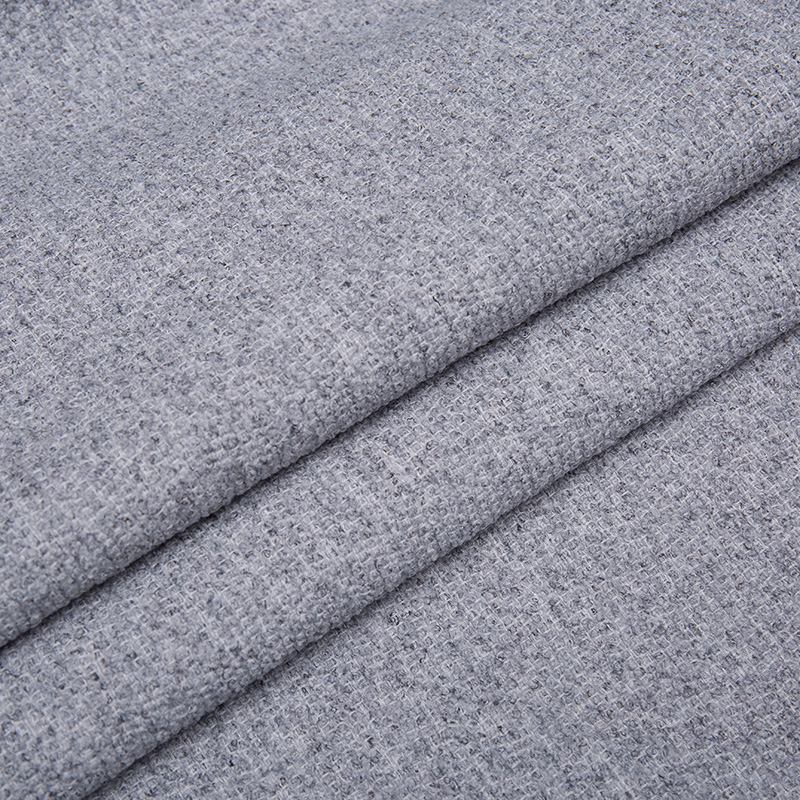
Pick up two dresses that both claim to feature jacquard — one feels flat and printed, the other has visible texture you can run your finger across. Only one is true jacquard. The difference matters enormously, not just aesthetically, but in how the garment wears, washes, and holds its value over time. This guide cuts through the confusion and gives you a practical framework for evaluating Dress Jacquard Fabric before you commit to a supplier or a cutting table.
Genuine jacquard forms its pattern during the weaving process itself. Individual warp threads are lifted and controlled independently by a Jacquard loom, which means the motif — whether floral, geometric, or abstract — is physically embedded in the fabric structure. There is no pigment layer sitting on top of the surface that can crack or fade.
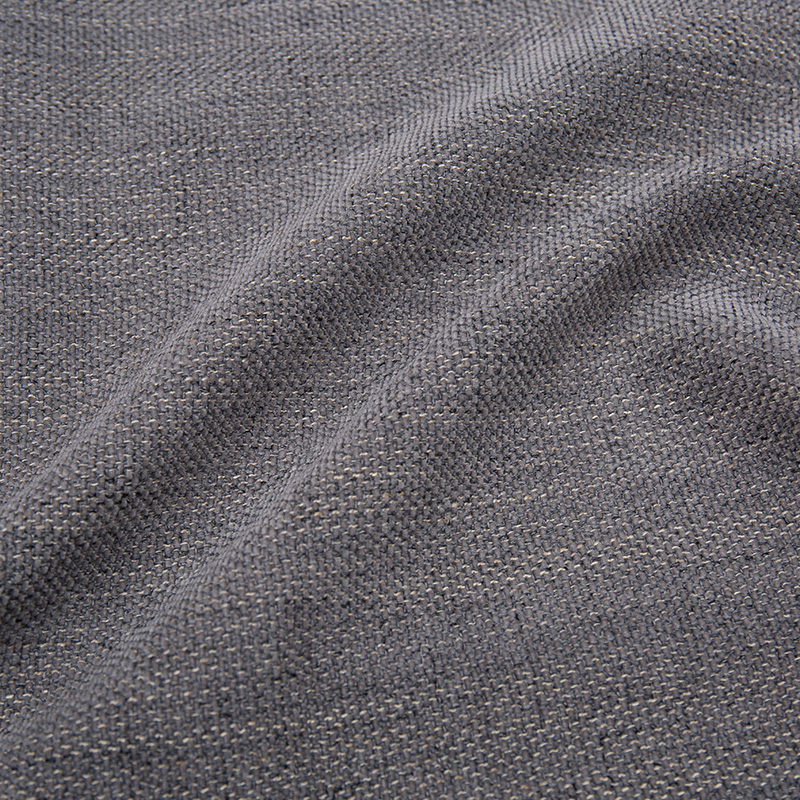
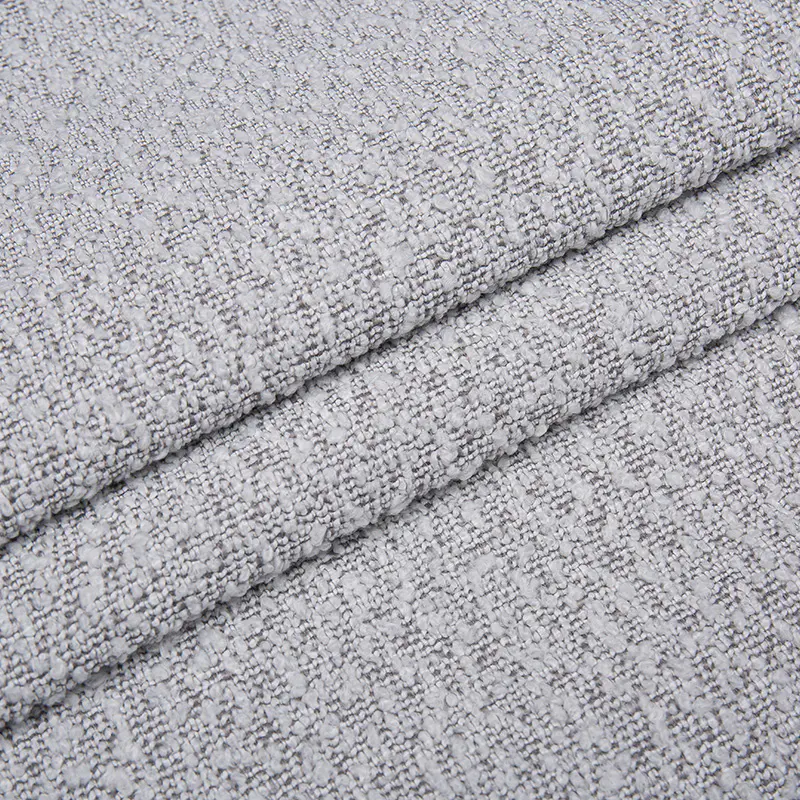
Printed fabrics mimic the look of jacquard but lack the three-dimensional quality that defines it. Under close inspection, you'll notice true jacquard has a slight concave-convex relief between the pattern and the background — a tactile depth that reads as luxury both visually and to the touch. For clothing applications, this structural integrity translates directly into abrasion resistance and wash durability. The pattern doesn't fade because it isn't a coating; it is the fabric.
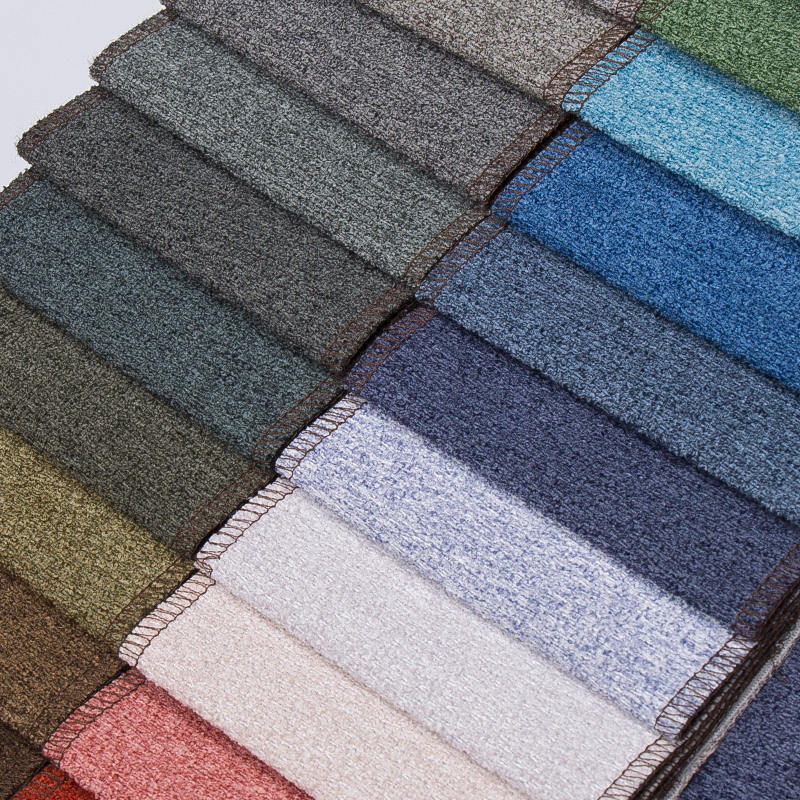
Not all Jacquard Clothing Fabric is suited for the same garment type. Here's a practical breakdown of the main variants:
| Type | Key Characteristic | Best For |
|---|---|---|
| Brocade | Raised pattern, often with metallic threads | Evening gowns, formal jackets |
| Damask | Reversible, smooth satin-like finish | Structured dresses, skirts |
| Cloqué | Puckered, blistered double-layer texture | Statement dresses, layered looks |
| Stretch Jacquard | Blended with spandex for elasticity | Fitted dresses, leggings, blouses |
| Matelassé | Quilted, padded appearance | Structured jackets, occasion skirts |
For everyday dress collections, stretch jacquard and lighter damask variants tend to offer the best balance of structure and wearability. For formalwear or occasion pieces, brocade and cloqué deliver the visual weight that justifies a premium price point.
When reviewing swatches or placing a bulk order, these are the numbers and details that actually determine performance in production:
Manufacturers with high daily output capacity — such as facilities producing 100,000 meters of clothing fabric per day — can typically hold tighter consistency across large runs, which reduces variance between sample and production lots.
Even experienced buyers fall into predictable traps. The first is evaluating jacquard under poor lighting. The three-dimensional quality of the weave only becomes apparent under directional or natural light — fluorescent showroom lighting flattens everything and makes printed fabric look comparable. Always request samples before ordering.
The second mistake is ignoring the back of the fabric. True jacquard often shows a mirror or complementary pattern on the reverse. If the back looks completely unfinished or plain, the fabric may be a dobby weave or printed imitation — neither will hold up to the same standard.
Third: choosing the wrong weight for the silhouette. A heavy brocade won't drape — it will stand away from the body. If the design calls for fluid movement, request lighter GSM options or stretch variants. Match the fabric's structural behavior to what the garment actually needs to do.
For a deeper look at how weave structure affects drape and performance, the jacquard weaving properties guide covers the technical side in more detail.
Jacquard's durability advantage only holds if the fabric is cared for correctly. Cold or lukewarm hand washing is the safest approach for most dress jacquard. Tumble drying introduces heat and agitation that can distort the weave structure. For ironing, use a low-heat setting with a pressing cloth rather than direct contact — especially on raised brocade patterns where high heat can compress and flatten the design permanently.
If the fiber content includes viscose or silk, dry cleaning is advisable for structured garments. Always sew or attach care labels that match the specific fiber composition, not a generic recommendation.
The jacquard category rewards specificity. Knowing whether you need brocade or stretch, 180 GSM or 260 GSM, cotton or viscose blend — these choices determine how the finished garment performs across its lifecycle. Generic fabric sourcing leads to compromises that show up on the production line and in customer returns.
If you're evaluating suppliers for custom Dress Jacquard Fabric, prioritize manufacturers who can demonstrate output consistency at scale and offer sample runs before bulk commitment. For more guidance on evaluating pattern quality and material selection, see the full overview on choosing high-quality jacquard fabric by material and pattern performance.

From yarn to fabric. At Xiangyi, we stitch quality into every seam, crafting sofa fabric that goes beyond decor—it embodies your home’s unique style.
PRODUCT

+86-18262539999(Meng Lin)