 English
 中文简体
中文简体
 عربى
عربى
Industry News
Home / News / Industry News / Chenille Sofa Fabric That Lasts: Fiber Guide, Abrasion Ratings & Buying Tips
 By Admin
Content
Most people who regret buying a chenille sofa say the same thing: "It looked perfect in the showroom." Six months later, the pile is matted, the color has shifted near the armrests, and they're already browsing replacements. The fabric wasn't bad — it just wasn't the right grade for their lifestyle. Two variables decide almost everything: fiber composition and abrasion resistance. Get both right and a chenille sofa easily delivers a decade of daily use. Get them wrong and three years is optimistic.
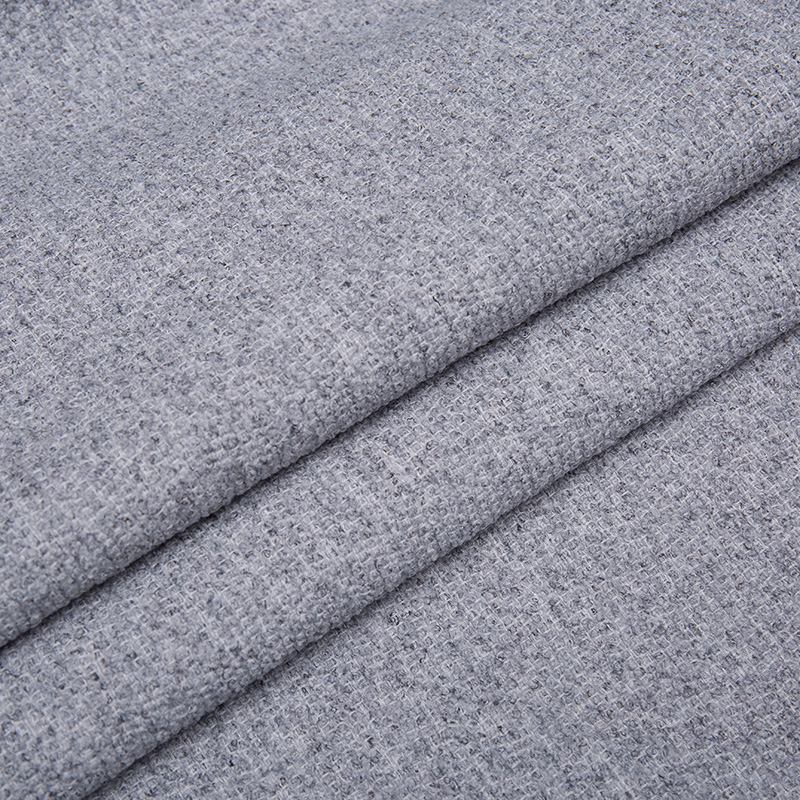
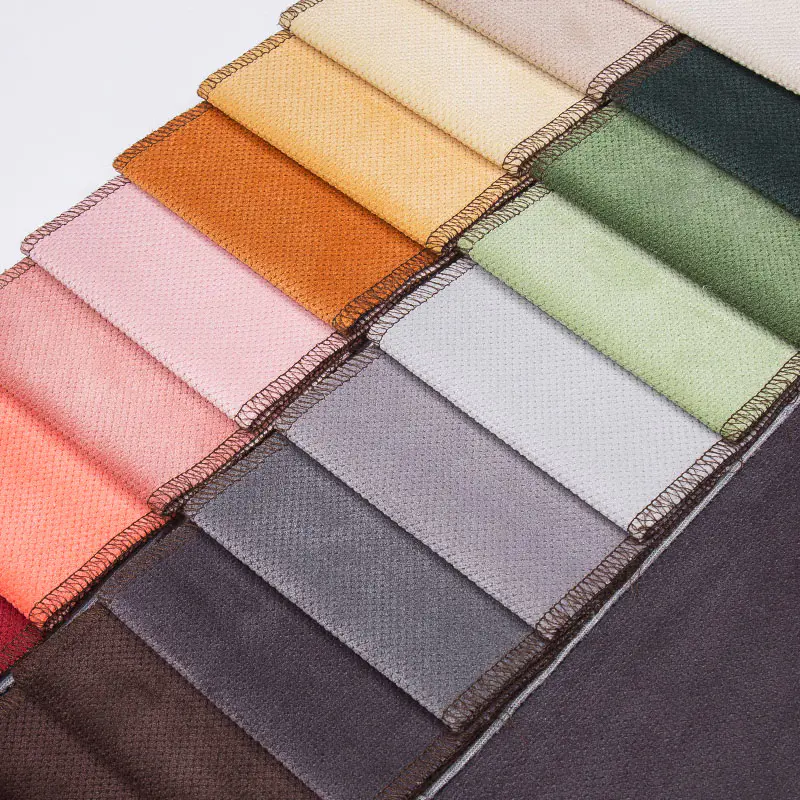
Chenille yarn is built by wrapping short pile fibers around a twisted core — that's what creates the raised, caterpillar-like texture. But which fibers go into that structure determines how the finished fabric behaves under real use.
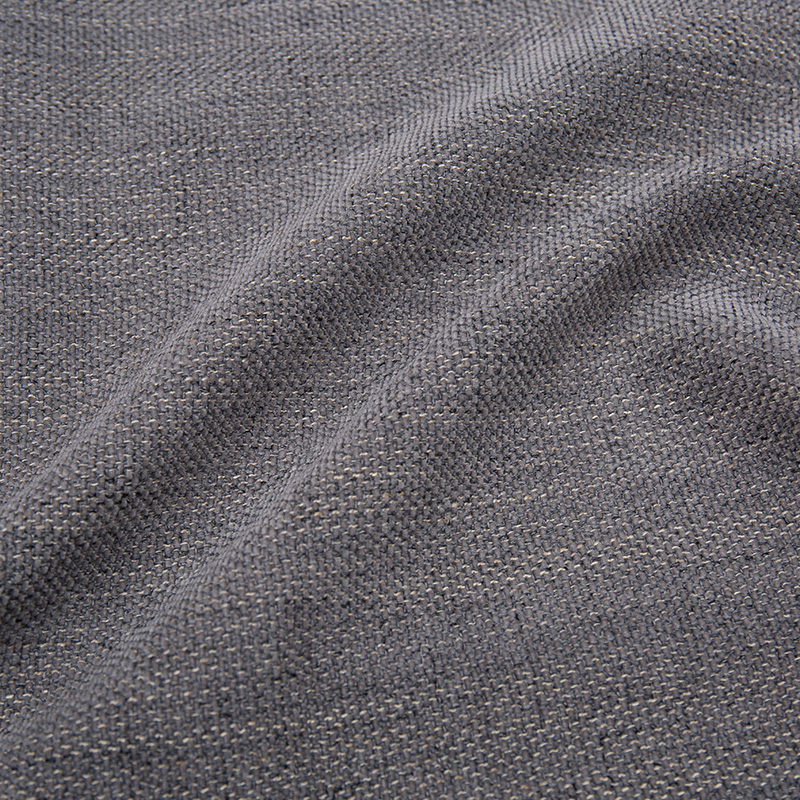
Polyester-acrylic blends are the workhorse choice. Polyester contributes tensile strength and colorfastness; acrylic adds softness and shape retention. In side-by-side durability testing, a polyester-acrylic blend consistently outperforms pure cotton chenille on every wear metric — pilling resistance, tear strength, and dimensional stability after cleaning. For households with children or frequent use, this blend is the default recommendation.
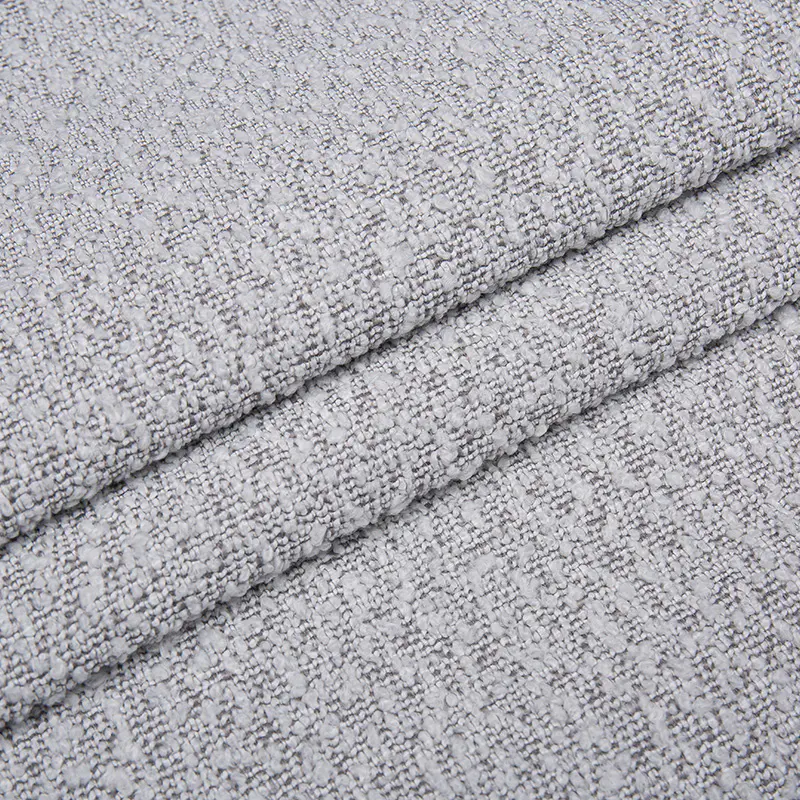
Cotton chenille breathes better and feels distinctly warmer in hand, which is why it tends to dominate luxury chenille fabric positioned for bedrooms and formal sitting rooms. The trade-off is higher maintenance and greater vulnerability to moisture stains. Cotton grades are best suited to low-traffic areas where aesthetics matter more than resilience.
Rayon additions (typically 10–20% of the blend) enhance sheen and drape without significantly reducing durability. You'll find this in performance chenille fabric designed for upscale residential use — the visual richness of silk-like shine combined with synthetic durability.
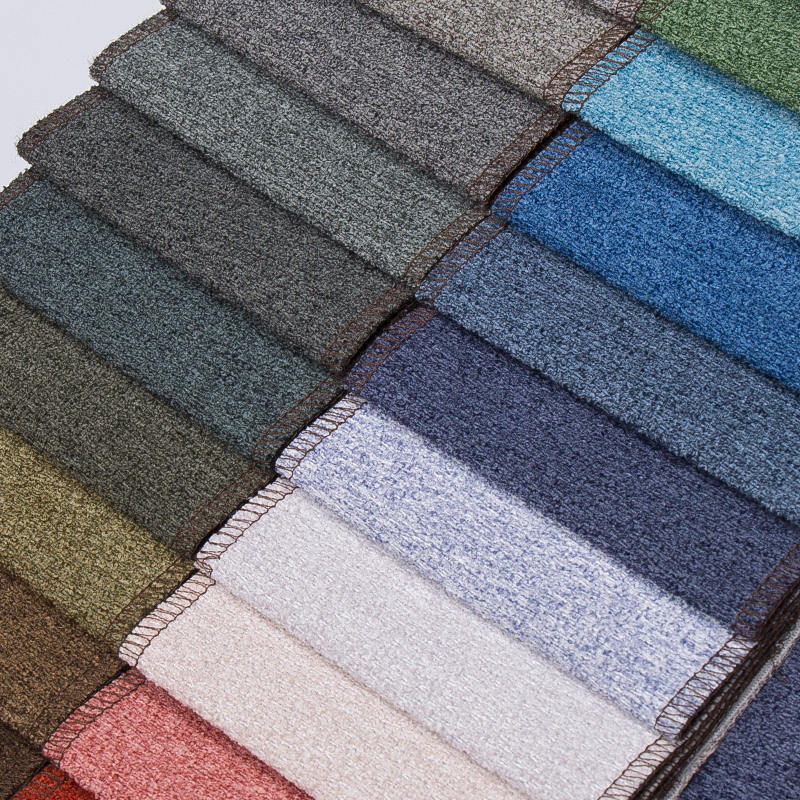
"Performance" and "luxury" are marketing categories, not technical standards. A manufacturer calling something "luxury chenille fabric" usually means it prioritizes hand-feel, pile density, and color depth — qualities that read as premium in the store. "Performance" signals that the weave structure and fiber treatment have been optimized for durability: tighter pile density to reduce shedding, stabilized backing to resist deformation, and often a surface treatment that improves stain resistance.
The practical distinction: performance grades handle medium-to-heavy traffic and are forgiving of everyday spills. Luxury grades reward careful ownership with superior visual impact but show wear more quickly under daily abuse. Neither label tells you the actual abrasion rating — which is the only number that matters for predicting lifespan.
The Martindale rub test (ISO 12947) is the standard durability benchmark for upholstery fabric in Europe and most international markets. The Wyzenbeek test serves the same function in North America. Both measure how many abrasion cycles a fabric survives before showing visible wear.
| Martindale Rating | Suitable For | Typical Lifespan |
|---|---|---|
| 15,000 – 20,000 cycles | Occasional-use furniture, guest rooms | 3–5 years light use |
| 20,000 – 30,000 cycles | General domestic sofas, moderate traffic | 5–8 years |
| 30,000 – 40,000 cycles | Family homes, kids and pets | 8–10+ years |
| 40,000+ cycles | Commercial or heavy residential use | 10+ years |
A fabric claiming 50,000+ Martindale cycles with no test documentation is a red flag. Always request the certified report. Ratings above 40,000 make no meaningful real-world difference on a residential sofa — what matters is verified performance in the 25,000–40,000 range for the average household.
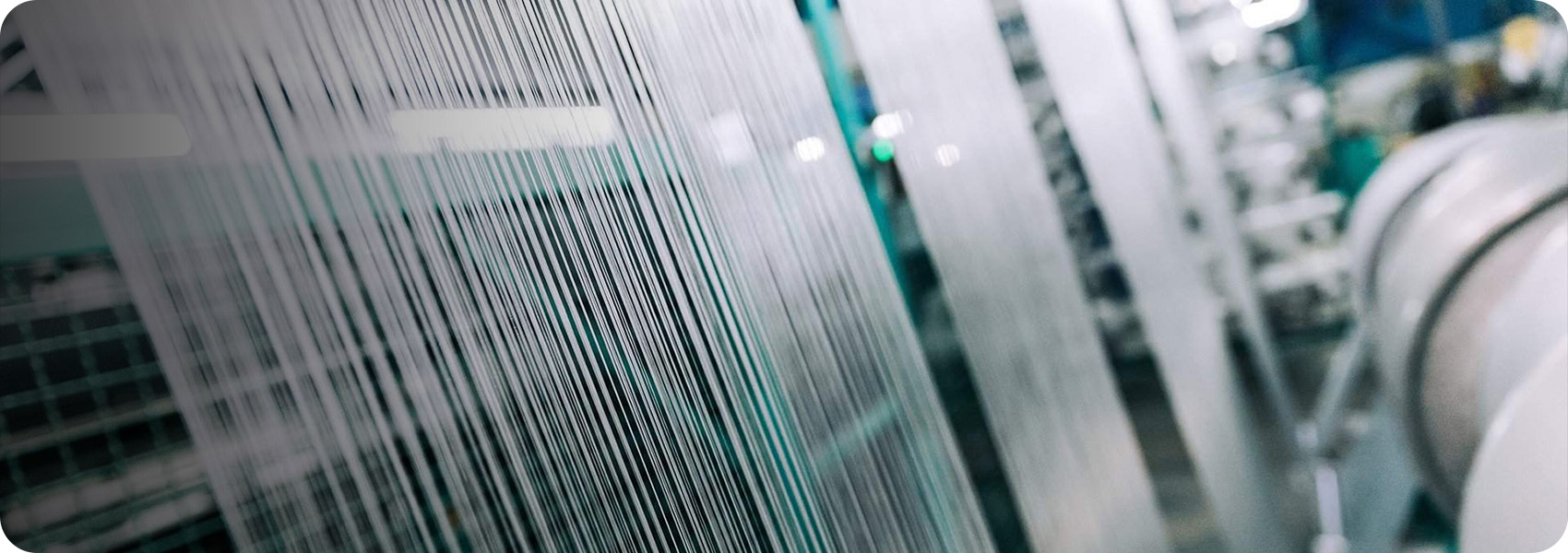
One underrated indicator when sourcing chenille upholstery fabric is the supplier's production infrastructure. Consistent quality across a large run requires controlled processes at every stage — yarn spinning tension, pile alignment, heat-setting temperature, and finishing chemistry. A manufacturer running 400,000 meters of sofa fabric per day, across multiple dedicated facilities, has the process discipline that smaller operations typically can't replicate. Inconsistency in yarn tension alone can create visible shading variation across a single sofa — something that only shows up after the order is delivered.
Chenille is forgiving of lifestyle when specified correctly. Match the fiber, verify the Martindale rating, and confirm the cleaning code — and this fabric will perform exactly as expected, year after year.

From yarn to fabric. At Xiangyi, we stitch quality into every seam, crafting sofa fabric that goes beyond decor—it embodies your home’s unique style.
PRODUCT

+86-18262539999(Meng Lin)