 English
 中文简体
中文简体
 عربى
عربى
Industry News
Home / News / Industry News / Color Masterbatch Fabric: How It Works, Key Benefits, and a Buyer's Checklist
 By Admin
Content
Two rolls of charcoal sofa fabric from the same order can each pass incoming inspection and still trigger a dispute on the furniture line: where the first roll ends and the second begins across a single sofa frame, the shade difference becomes obvious under showroom lighting. That failure mode is exactly what color masterbatch fabric is engineered to prevent. In this type of fabric, pigment is blended into the polymer before the fiber is ever spun, so color sits inside the fiber rather than on its surface. The conclusion for buyers is straightforward: for high-volume synthetic upholstery in deep, consistent shades, spun-in color is the more dependable route, while traditional dyeing still wins when a program needs small runs or frequently changing shades. Working out which side of that line your project falls on should happen before the first quote request, not after the first shipment.
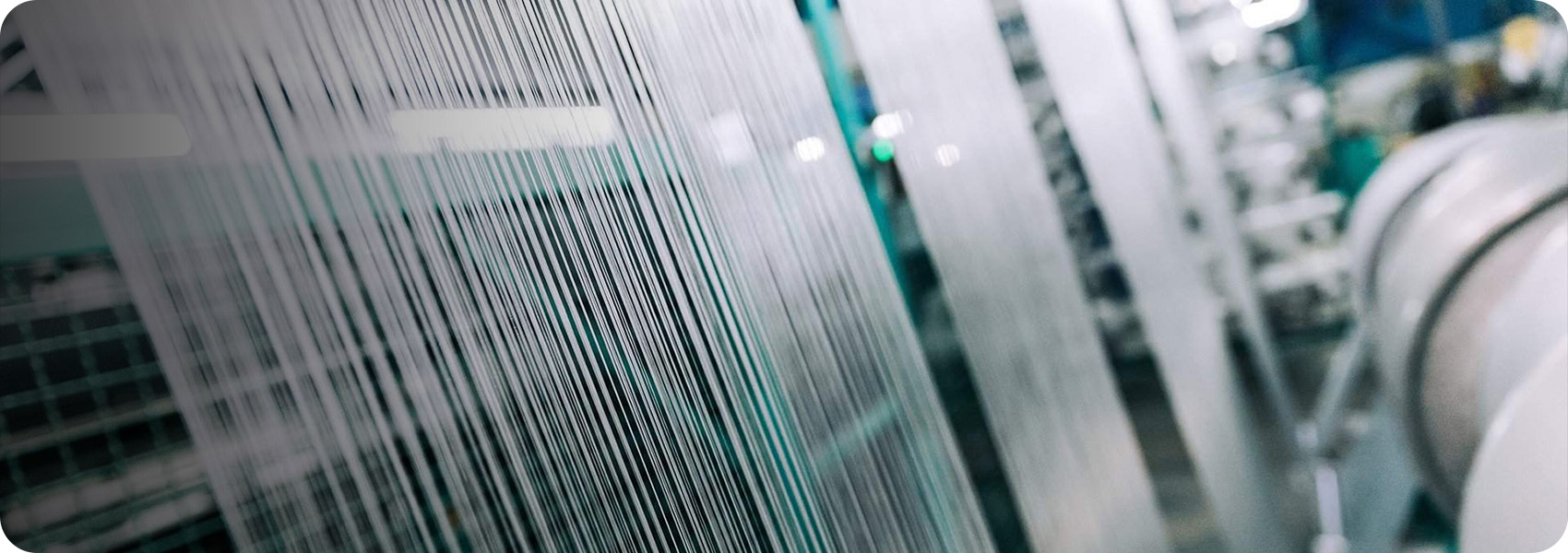
A color masterbatch is a concentrated blend of pigment, a carrier resin matched to the base polymer, dispersants, and functional additives such as UV stabilizers, all compounded into small pellets. Instead of dyeing fabric in a bath, a spinning plant meters these pellets into raw polymer chips — polyester is the most common base — at let-down ratios that typically run from about 1:100 for pale shades to 1:20 for deep, saturated colors. The mixture is melted, filtered, and extruded through a spinneret into filament, leaving pigment dispersed throughout the fiber cross-section. Because the color enters while the polymer is molten, the technique is also known as spun-in, dope, or solution dyeing.
One constraint shapes everything that follows: the method only works on fibers that pass through a molten stage. Polyester and similar synthetics qualify; natural fibers such as cotton do not, since there is no liquid phase to carry pigment into them. Masterbatch fabric is therefore almost always a synthetic construction, and its color benefits arrive bundled with polyester's own durability and care characteristics.
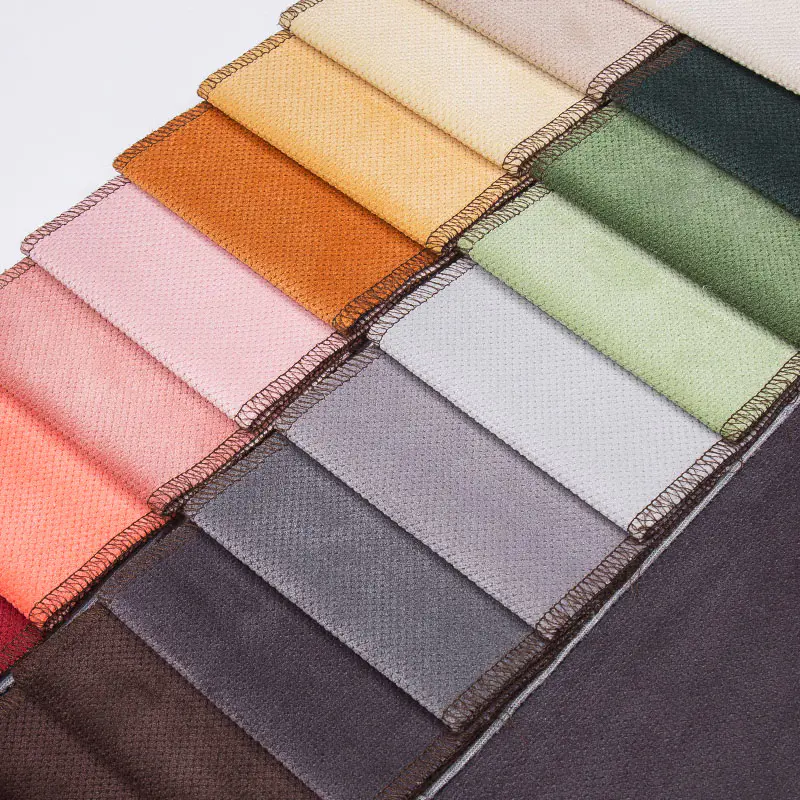
The category covers more constructions than many buyers expect — plain weaves, brushed surfaces, jacquard patterns, and cut-pile structures can all be built on pre-colored yarn. Reviewing a dedicated masterbatch fabric range is the quickest way to see how much variety one coloring method supports.
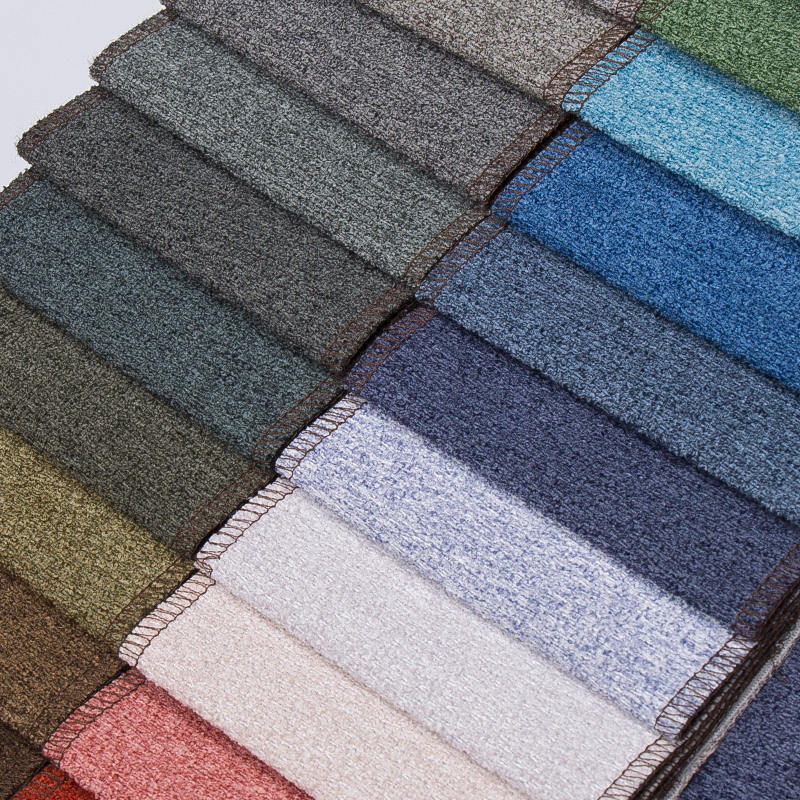
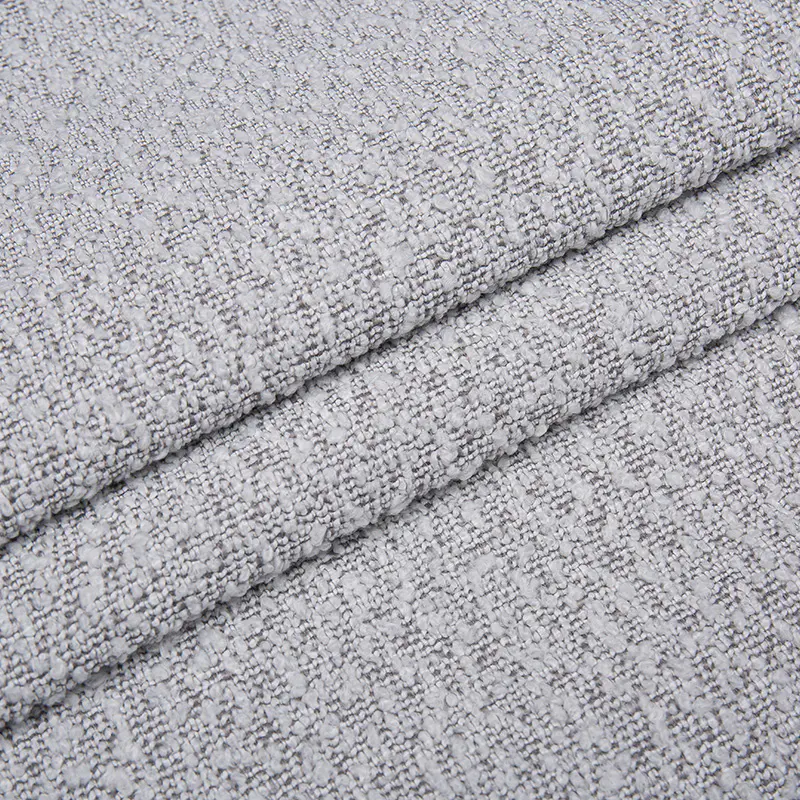 Color Masterbatch Woven Fabric RangeWoven fabric made from yarn colored during spinning, so the dye sits inside the fiber for uniform shade and strong fastness. This range shows how many constructions one coloring method supports.",View Product →
The process reads simply on paper, but every step carries a specific quality risk:
Dispersion quality is the technical heart of this chain. Pigment particles must be reduced and stabilized to a fine, uniform scale; clumps concentrate stress in the draw zone, break filaments, and surface later as specks in the woven cloth. When you evaluate suppliers, ask directly about filterability testing and spinning-line breakage rates — both are practical proxies for masterbatch quality. Our guide to how masterbatch fabric is processed and applied at industrial scale walks through these production details in greater depth.
The comparison comes down to a single trade: consistency and fastness on one side, flexibility on the other. Spun-in color cannot drift the way a dye bath can, but it also cannot be changed the way a dye bath can.
| Factor | Color Masterbatch Fabric | Traditionally Dyed Fabric |
|---|---|---|
| Where color is added | Pigment dispersed inside the fiber during extrusion | Dye applied to yarn or finished fabric in a bath |
| Shade consistency across lots | High; dosing is metered by weight | Depends on each dye lot and per-batch matching |
| Light and rub fastness | Strong; pigment is sealed within the fiber | Good, but tied to dye class, fixation, and after-treatment |
| Water and effluent | Minimal, since no dye bath is used | Notable water, energy, and wastewater load |
| Color flexibility | Low; each shade needs its own spinning run | High; base cloth takes whatever color the bath carries |
| Typical minimums per color | Higher | Lower |
| Best fit | High-volume solid shades in synthetics | Short runs, frequent color changes, natural fibers |
Read the table against your own program. A furniture brand producing thousands of matching units each month will weight the consistency and fastness rows heavily; a maker of small, trend-led batches will weight flexibility and minimums. For a decision-oriented version of this comparison, our buyer's guide to color masterbatch fabric versus traditional dyeing sets out when each route pays off.
Dark, solid upholstery is the clearest match. Charcoal, navy, espresso, and deep green dominate high-use sofas because they hide daily soiling, and they are precisely the shades where roll-to-roll banding and sun fading show first. Spun-in pigment addresses both risks: it cannot abrade away the way surface color on a coated fabric can, and it holds up against light better than most dyed shades because the pigment is sealed inside the fiber.
Volume programs are the second natural fit. When a cutting table consumes dozens of rolls in a week, every meter has to match; metered pellet dosing holds shade far more reliably than a sequence of independent dye baths.
Because the method requires a meltable polymer, it suits synthetic weaves broadly, and polyester constructions — from plush cut pile to textured imitation linen — are the fabrics most often built on pre-colored yarn. Where a program wants linen-like texture and spun-in shade together, the polyester imitation linen fabric category shows how the two meet in a single construction.
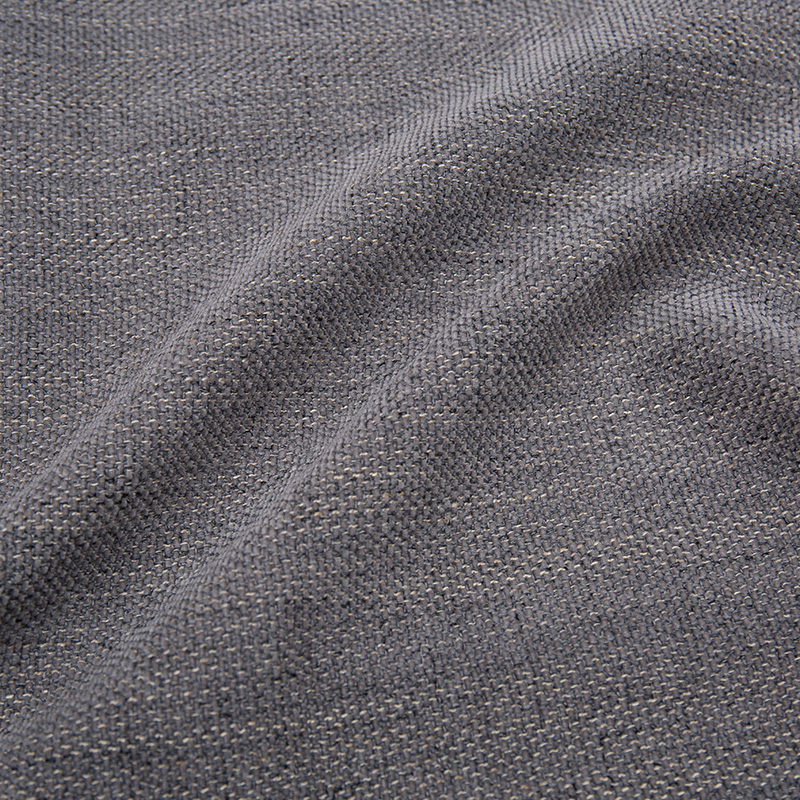
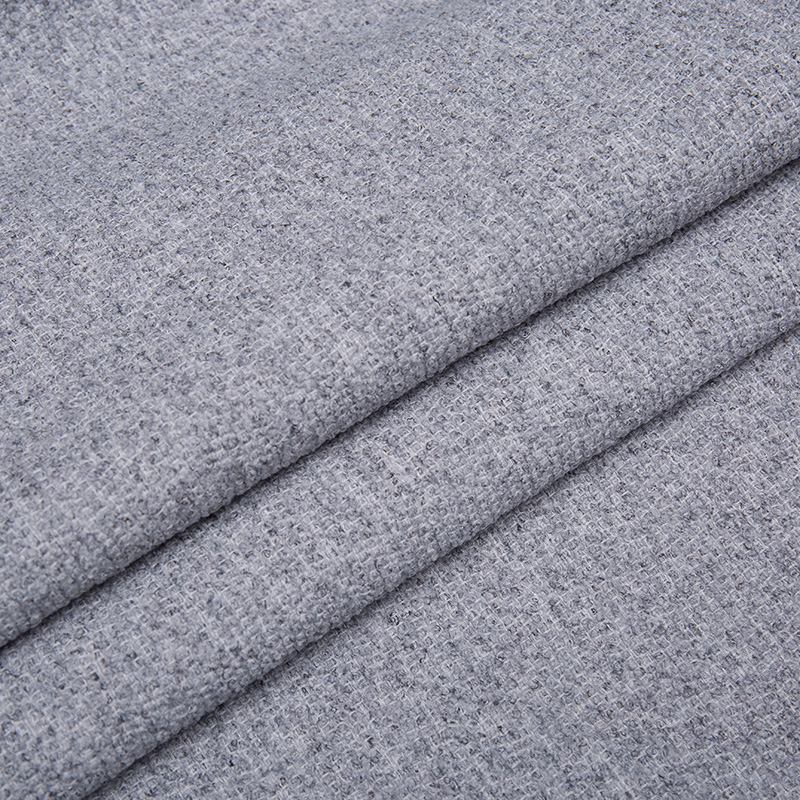 Polyester Imitation Linen FabricAll-polyester fabric with a dry, linen-like touch, wear resistance, and easy care. It combines spun-in color with textured weave, making it a useful example for shade-stable upholstery programs.View Product →
The same logic extends to clothing fabrics and home textiles built on polyester, where wash-after-wash shade stability matters as much as it does on a sofa.
Spun-in color simplifies some conversations and sharpens others. Put these points in writing before confirming an order:
When color is locked in before the fabric stage, quality control moves upstream with it. A weaver working with purchased yarn can only pass a shade problem through; a manufacturer that develops yarn, weaves, and finishes inside one group can trace a defect back to its origin and correct it where it starts.
Jiangsu Xiangyi Textile Technology operates on that integrated model. According to the company, the group produces roughly 400,000 meters of sofa fabric and 100,000 meters of clothing fabric per day, supported by water-jet, air-jet, rapier, and jacquard looms, specialty twisting and fancy-yarn equipment, cut-pile and bonding lines, and an in-house laboratory for product testing.
For a masterbatch program, that structure shortens the feedback loop: a shade deviation can be caught at the yarn or in-process fabric stage rather than on the cutting table. To test it against a specific shade, construction, and volume, send your target specifications through the quote request and ask for lot-to-lot tolerance figures and fastness reports up front.

From yarn to fabric. At Xiangyi, we stitch quality into every seam, crafting sofa fabric that goes beyond decor—it embodies your home’s unique style.
PRODUCT

+86-18262539999(Meng Lin)