 English
 中文简体
中文简体
 عربى
عربى
Industry News
Home / News / Industry News / Cut Pile Fabric Explained: How It's Made, Key Types, Uses, and Buying Guide
 By Admin
Content
Cut pile is one of those textile terms that appears constantly in upholstery spec sheets, yet few buyers can explain exactly what it controls. Cut pile fabric is a woven textile in which raised yarn loops are slit during finishing so that the cut ends stand upright from the base cloth. This structure produces the soft, plush surfaces of velvet and corduroy, and it is also the reason why cut pile upholstery demands attention to density, fiber choice, and finishing quality. The short version: cut pile gives you an elegant, comfortable surface, but only a correctly engineered construction will keep its appearance after years of daily use.
In a cut pile construction, the fabric contains two yarn systems: a ground yarn that forms the structural base and a pile yarn that creates the raised surface. The pile yarn is looped above the base and then cut, leaving individual fiber ends standing perpendicular or slightly angled to the fabric plane.
The two figures that define a cut pile fabric are pile height, the length of the upright yarn ends, and pile density, the number of pile ends per unit area. Dense, short pile tends to be more durable, while long, open pile feels deeper and softer. A good cut pile fabric also has a well-constructed backing that anchors the pile yarns firmly; if the anchor points are loose, the pile can be pulled out by friction or snagging.
Most cut pile fabrics are produced on weaving looms equipped with pile-forming devices. A pile warp is woven over wires or rods laid across the shed; when the wire is withdrawn, a blade slices the loops, creating two rows of cut pile. This is the classic velvet technique. The woven fabric then passes through shearing to level the pile surface and through brushing or steaming to open the fiber ends.
A very different route is tufting, where thread is punched through a pre-made backing fabric with hollow needles. Tufting is fast and inexpensive, but the pile is held in place only by the backing coating, which is why tufted construction dominates carpet production, while woven cut pile is preferred for premium furniture. We explain the practical differences between these two structures in our technical comparison of cut pile and tufted construction.
From a buyer's perspective, the manufacturing method shows up in the finished product. Woven cut pile fabrics have a stable base that holds its shape during cutting and sewing, and the pile is less likely to shed at the edges. That is why sofas made with woven cut pile hold up better at arm and seam areas than tufted alternatives.
Pile textiles are easiest to understand when you compare them side by side. Different constructions change not only the hand feel but also the performance, sewing behavior, and cost of the final product.
| Construction | Pile structure | Typical hand feel | Primary applications |
|---|---|---|---|
| Woven cut pile (e.g., velvet) | Cut, upright yarn ends | Smooth, plush, soft | Sofa upholstery, cushions, apparel |
| Loop pile (e.g., terry) | Uncut loops | Soft, absorbent | Towels, bathrobes, loungewear |
| Tufted | Cut or loop pile inserted into a backing | Soft, voluminous | Carpets, throws, pet beds |
| Chenille | Short cut pile twisted into a yarn core | Fuzzy, textured, cozy | Upholstery, bedding, blankets |
| Brushed knit (fleece) | Surface fibers raised by brushing | Warm, light, stretchy | Apparel, baby products, throws |
Chenille deserves a special note because it is a cut pile construction at the yarn level: short lengths of pile fiber are twisted into a core yarn, producing a fuzzy, soft texture. Chenille fabrics cost less than woven velvet while offering similar visual warmth, which makes them a popular choice for casual furniture programs. If you are evaluating plush upholstery options, the chenille fabric collection at our mill is a good reference for what a structured chenille weave looks like at production scale.
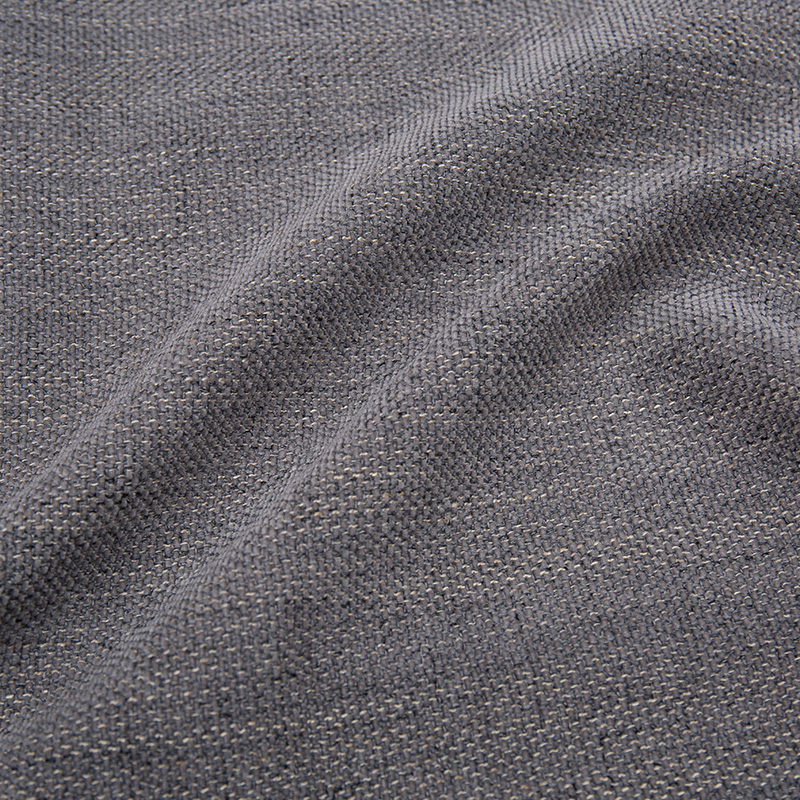 Performance Chenille Fabric Manufacturers, FactoryAs China Performance Chenille Fabric Manufacturers, Wholesale Luxury Chenille Fabric Factory, Suppliers, Xiangyi Textile Technology offer...View Product →
Cut pile textiles cover a surprisingly broad range of end uses. The main applications that matter to B2B buyers are:
For furniture manufacturers, the choice of pile height and face weight determines production behavior. Short-pile articles cut and sew cleanly with standard equipment; long-pile velvet requires more careful spreading and a sharper cutter. Our cut pile fabric range is woven on pile-control equipment with dedicated shearing and brushing lines, which keeps the pile uniform from roll to roll and reduces cutting-room surprises.
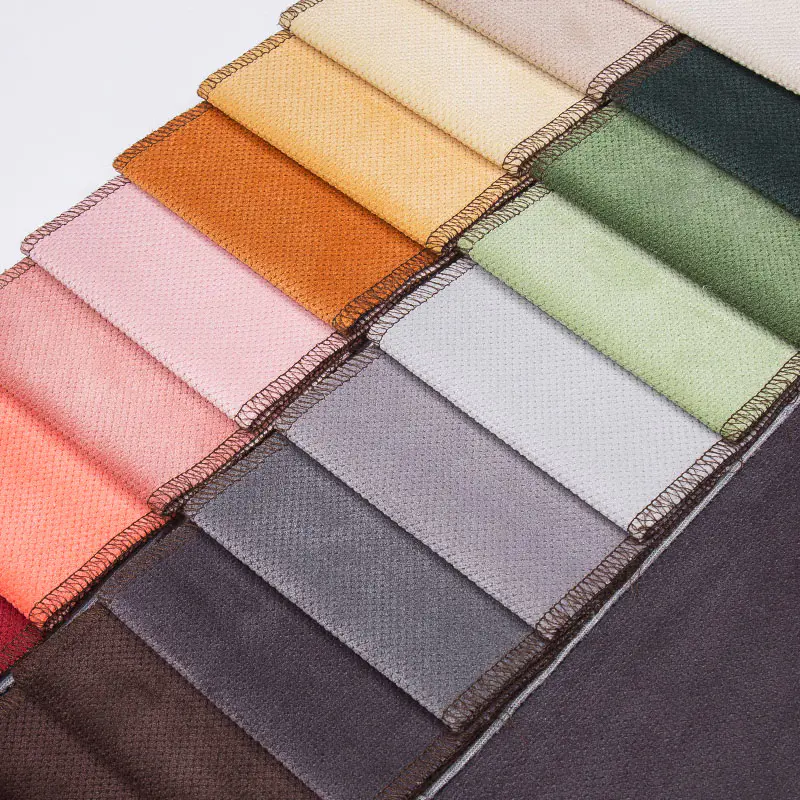 Cut Pile Fabric Manufacturers, Cut Pile Sofa Fabric FactoryJiangsu Xiangyi Textile Technology is China Cut Pile Fabric Manufacturers and Wholesale Cut Pile Sofa Fabric Factory, Suppliers, we suppl...View Product →
As with most textiles, the fiber does a lot of the work in determining how a cut pile fabric performs. The construction then either protects or exposes that fiber.
Polyester is the workhorse of cut pile upholstery. It offers strong abrasion resistance, good colorfastness, and easy maintenance at a moderate cost. Nylon is the upgrade path when you need maximum recovery and abrasion performance; the trade-off is a higher price. Cotton and wool velvets are beautiful and breathable, but they crush more easily and require gentler care, so they are usually limited to lower-traffic seating. Wool blends appear in commercial upholstery where natural flame resistance is required.
Density is measured by the number of pile ends per square centimeter or by the total pile fiber weight. If the density is too low, the base weave becomes visible on fold lines, the seam edge looks thin, and the surface flattens quickly. On the other hand, very long pile can trap dust and crush under weight. A practical rule for sofa upholstery: choose a face weight and pile height that match the expected traffic, and always verify that the pile direction is consistent along the roll.
The Martindale abrasion test is the standard metric in many markets. Use these values as starting points: 20,000 rubs for light residential duty, 30,000 to 40,000 rubs for everyday sofa use, and 50,000 rubs or more for commercial and high-usage upholstery. Because testing conditions and backing can change results, ask the mill for a test result made on the finished composite, including the face fabric, lining, and foam if applicable.
Pilling and snagging are separate risks. Snagging usually comes from low pile density or long, floating pile yarns; pilling comes from short, loose fibers at the surface. A tight weave with twisted pile yarns keeps both problems under control. Also check the colorfastness to light and to wet and dry rubbing, particularly for fabrics that will be exposed to direct sunlight or steam cleaning.
For routine maintenance, vacuuming with a soft brush attachment and immediate blotting of spills will keep most cut pile furniture looking good for years. Professional extraction cleaning should be reserved for deep soiling.
The fastest way to test a potential supplier is to order production-like samples and evaluate them with the same cutting, sewing, and cleaning processes you use in your factory. Keep this checklist in hand:
Working with a vertical mill changes the risk profile. A manufacturer that controls yarn twisting, weaving, dyeing, pile-cutting, and finishing within one group can keep pile density and color consistent across repeated orders. That is one of the main reasons furniture manufacturers look for a mill with its own yarn development and cut pile equipment, rather than a trading company that resells random production lots.
If you already have a cut pile specification or a reference sample, send the details to our sales team. We can confirm feasibility, review the requirements with our production engineers, and arrange samples from our current range. For lighter, more casual designs that need a plush feel at a lower weight, we also produce brushed fabric in the same mill system, so you can keep both programs under one quality standard.
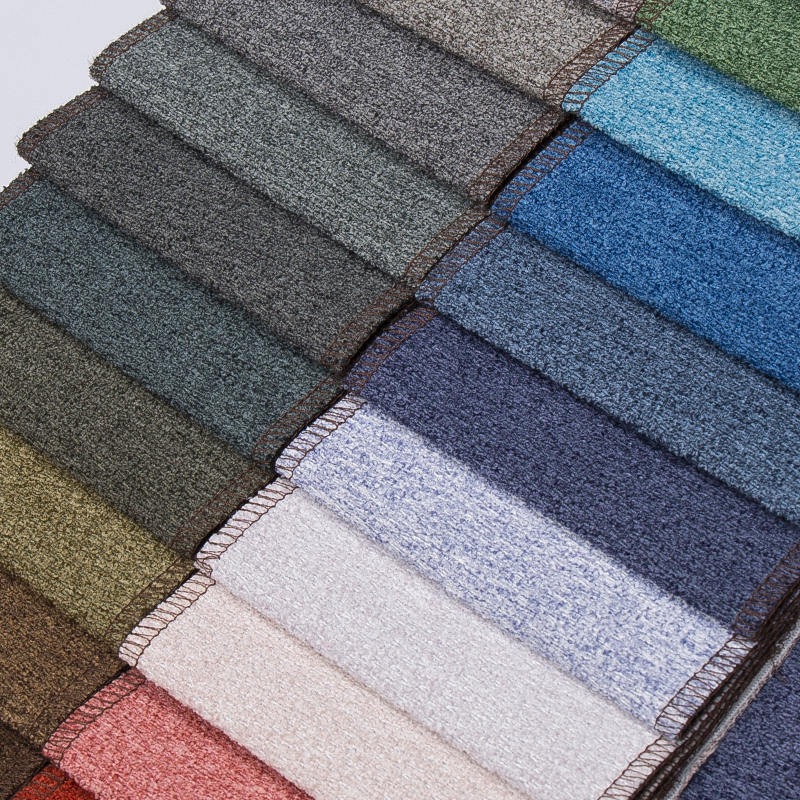 Brushed Sofa Fabric Manufacturers, Soft Brushed Fabric FactoryJiangsu Xiangyi Textile is China Brushed Sofa Fabric Manufacturers and Wholesale Soft Brushed Fabric Factory, Suppliers, we supply Custom...View Product →
Cut pile fabric is not a single material; it is a family of constructions that can be tuned for residential sofas, contract seating, apparel, and decorative textiles. Once you learn to read pile height, density, fiber content, and backing quality, most of the uncertainty disappears. Choose the construction that matches your traffic level and budget, verify the test data on production batches, and work with a supplier that can keep the same structure order after order.

From yarn to fabric. At Xiangyi, we stitch quality into every seam, crafting sofa fabric that goes beyond decor—it embodies your home’s unique style.
PRODUCT

+86-18262539999(Meng Lin)