 English
 中文简体
中文简体
 عربى
عربى
Industry News
Home / News / Industry News / What Is Modal Fabric? Properties, How It's Made, and How It Compares to Cotton
 By Admin
Content
Modal fabric is a semi-synthetic, regenerated cellulosic fiber made by dissolving cellulose—usually from beech wood pulp—and spinning it into fine, smooth filaments. It belongs to the rayon family, but it is engineered to be stronger and more stable than ordinary viscose. If you have ever pulled a t-shirt or a set of bedsheets from the wash and found them as silky as the day you bought them, there is a good chance modal was in the yarn. That hand feel explains why the fiber is so common in underwear, loungewear, and bedding. For fabric buyers, though, the more useful questions are practical ones: what it costs, where it wears out, how it takes dye, and whether it belongs in your product line at all.
Modal is a second-generation regenerated cellulosic fiber, known in the trade as high-wet-modulus (HWM) rayon. The name points to its key technical advantage: unlike classic viscose rayon, modal keeps most of its strength and shape when wet. The fiber starts as natural cellulose—typically from beech wood, though other cellulose sources are used—and is chemically processed into filament form. That is why it is called semi-synthetic: neither purely natural like cotton nor fully synthetic like polyester.
The fiber was developed in the mid-twentieth century specifically to fix viscose's weaknesses: poor wet strength, high shrinkage, and a tendency to lose shape in the wash. Modal resolved those problems while keeping the smoothness and absorbency that make cellulosic fibers comfortable next to skin, and it remains a staple of apparel programs that put softness first.
The process follows the classic regenerated-cellulose route:
One question worth asking any supplier is how the plant handles the chemicals involved. The process consumes significant soda and carbon disulfide, and environmental performance depends on how much the facility recovers and recycles. Modern closed-loop systems capture most of it; older setups do not. Certification paperwork will show which type you are dealing with.
Modal's appeal starts with touch. The filaments are fine and smooth, so yarns spun from them carry fewer protruding fibers than comparable cotton yarns. The result is a low-friction surface that glides across skin, a fluid drape suited to sleepwear and dresses, and a cool, fresh sensation in warm weather. The fiber is also highly absorbent—industry sources commonly cite moisture uptake around 50 percent higher than cotton's—which lets it pull sweat off the body and release it quickly.
Color is the other quiet strength. Modal takes dye deeply and evenly, and shades tend to stay vivid through repeated laundering. Buyers weighing coloration routes and long-term fastness should also understand how masterbatch coloring compares with traditional dyeing, since that choice affects shade consistency and unit cost as much as the fiber itself does.
Most sourcing debates about modal come down to a three-way comparison. The table below condenses the differences that matter in buying conversations.
| Property | Modal | Cotton | Polyester |
|---|---|---|---|
| Fiber origin | Regenerated cellulose, usually from beech wood | Natural cellulose from the cotton plant | Petroleum-based synthetic |
| Hand feel | Silky, smooth, cool against skin | Soft and familiar, coarser in heavier yarns | Smooth but less absorbent, can feel slick |
| Moisture absorption | Very high | High | Low |
| Strength when wet | Good, retains most strength | Gains strength | Excellent in both states |
| Drape | Fluid, almost liquid | Moderate | Varies, often stiffer |
| Typical best use | Underwear, t-shirts, sleepwear, bedsheets | Everyday apparel, denim, towels | Activewear, upholstery, technical textiles |
Choose modal when next-to-skin comfort, drape, and color depth lead the requirement list. Choose cotton when structure, breathability, and cost must balance. Choose polyester when durability, shape retention, and abrasion resistance outrank everything else. Polyester has also narrowed the comfort gap considerably: well-engineered polyester fabrics, such as our polyester imitation linen line, now reproduce the look and much of the feel of natural fibers while keeping the synthetic's durability.
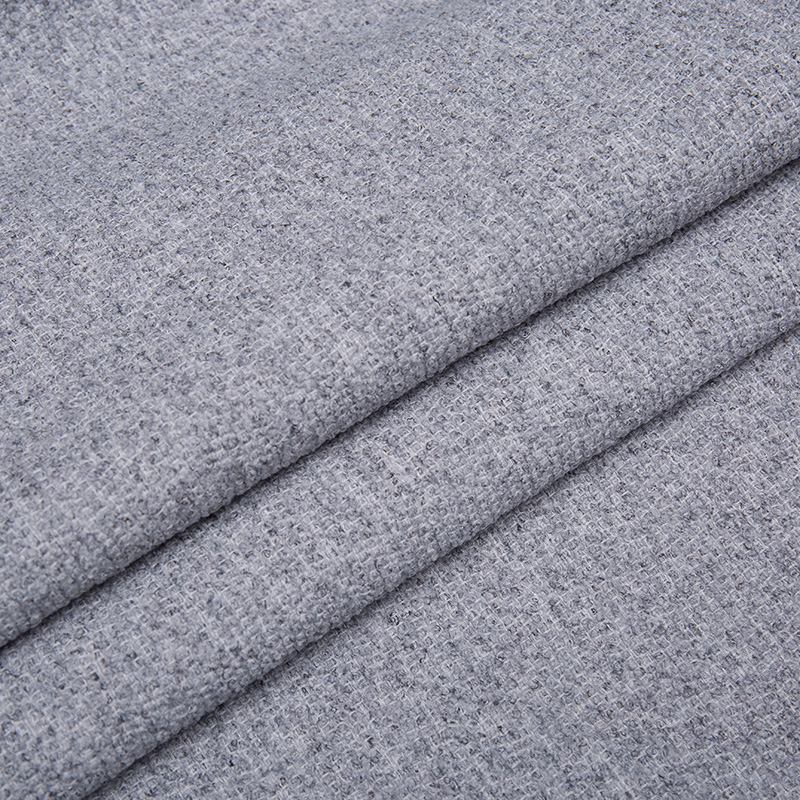 Polyester Imitation Linen Sofa FabricAn all-polyester woven fabric that mimics linen's look while offering dry touch, thickness, wear resistance, wrinkle resistance, and easy maintenance—an example of engineered polyester closing the comfort gap on natural fibers.View Product →
Summarized, the practical case for modal rests on four points:
Blend ratios matter more than the fiber label. A pure modal knit maximizes drape and softness but pills more readily; adding cotton or polyester improves structure and abrasion resistance at some cost to that liquid feel. Always request mill test reports for shrinkage and pilling on the exact blend you intend to buy.
Modal is not the right fiber for every application, and its limits are predictable:
The last point matters most for furniture manufacturers. A seat cover faces friction, body weight, sunlight, and cleaning regimes that apparel fibers never encounter, which is why upholstery mills engineer around harder-wearing fibers and dense constructions rather than borrowing apparel fibers wholesale. Fiber choice, yarn twist, and finishing all have to be justified against the end use, not against hand feel alone.
The fiber's commercial footprint is concentrated where skin contact dominates:
Conspicuously absent is sofa upholstery. Furniture makers instead specify fabrics built for the job: dense weaves, high-abrasion yarns, and finishes that survive daily use. Chenille is a good example of that engineering, delivering plush softness while being constructed specifically to hold up on a sofa.
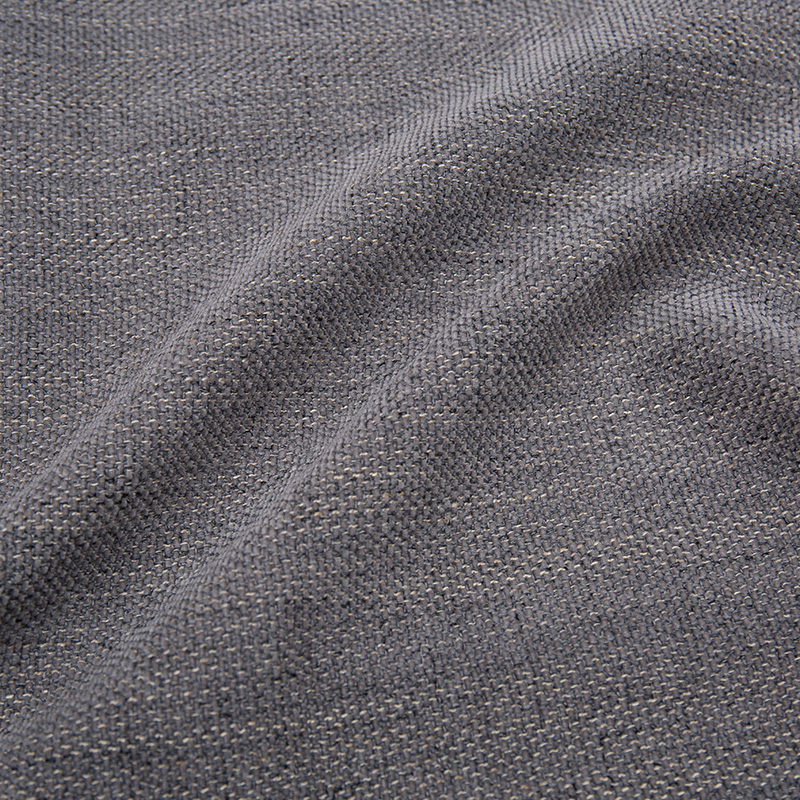 Performance Chenille Sofa FabricChenille pairs a plush, dense-pile surface with upholstery-grade construction, delivering softness and warmth alongside high durability—well suited when fabric must withstand daily sofa use.View Product →
Caring for modal is straightforward, but the details matter:
For blends, follow the most delicate fiber on the care label. A modal garment containing 5 percent elastane should be washed cool so the spandex keeps its stretch recovery.
Modal sourcing rewards a short checklist:
The short answer to what modal fabric is: an engineered cellulosic fiber built for comfort—silky in the hand, absorbent in wear, and dependable in color, at a price that reflects the processing behind it. Used where those traits matter, in apparel, sleepwear, and bedding, it performs reliably. Pushed into high-abrasion roles it was never designed for, it disappoints, and no finishing treatment fully compensates.
Matching fiber to end use is the kind of decision a vertically integrated fabric manufacturer weighs every day. At Jiangsu Xiangyi Textile Technology (Group) Co., Ltd., production runs from yarn development through weaving, dyeing, and finishing, covering both upholstery fabrics and clothing fabrics, so construction choices can be judged against real production capability rather than catalog claims. Whether you are evaluating modal for a garment program or need an upholstery fabric engineered for life on a sofa, you can reach the team through the contact page to discuss specifications and request a quote.

From yarn to fabric. At Xiangyi, we stitch quality into every seam, crafting sofa fabric that goes beyond decor—it embodies your home’s unique style.
PRODUCT

+86-18262539999(Meng Lin)