 English
 中文简体
中文简体
 عربى
عربى
Industry News
 By Admin
Content
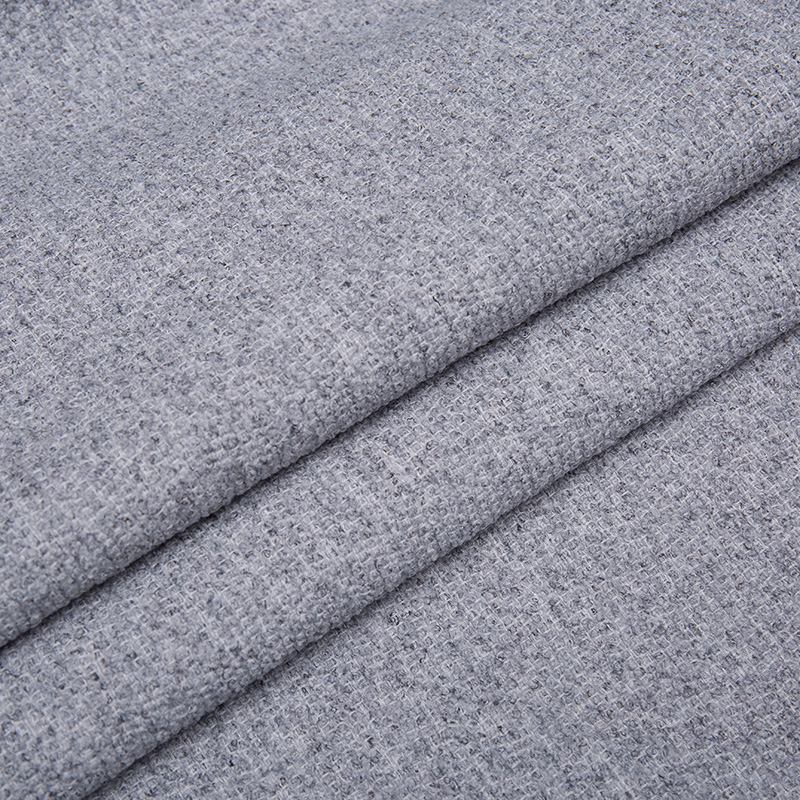
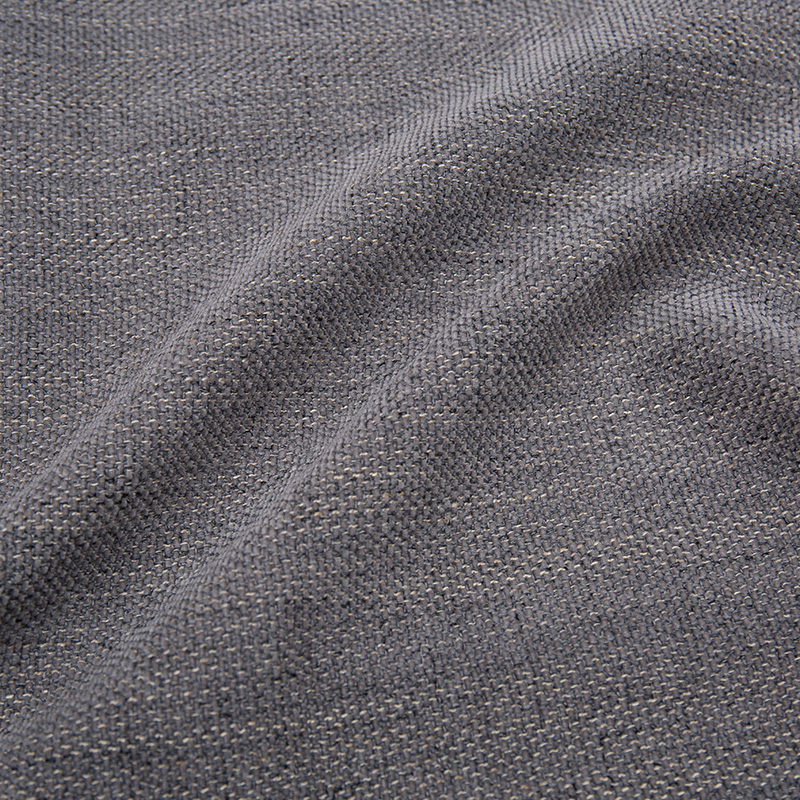
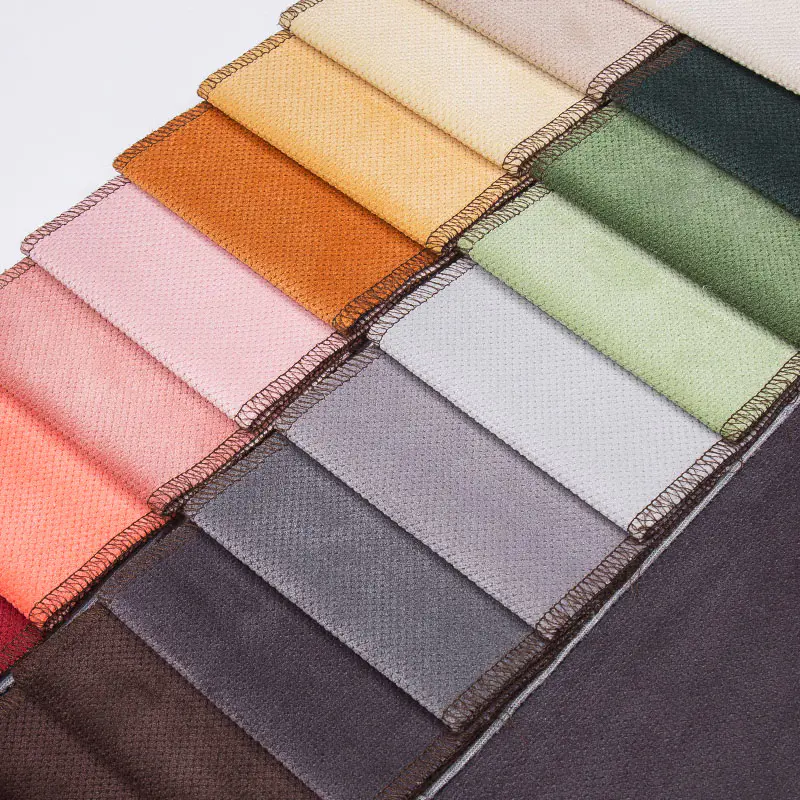
Run your hand across a piece of brushed sofa fabric and the difference is immediate — a short, dense layer of raised fibers that feels warm, soft, and nothing like standard woven upholstery. That surface isn't a coating applied on top. It's created by mechanically abrading the base fabric with fine wire rollers or rollers covered in emery-like material, pulling individual fibers to the surface and aligning them into a uniform pile.
The result is a textile that has five distinct performance advantages over unfinished fabric: superior softness, better thermal insulation from the trapped air layer, a degree of breathability, moisture-wicking capability from the fine surface fibers, and — when made correctly — good abrasion resistance. It's this combination that makes soft brushed fabric a practical choice for sofas, not just a comfort upgrade.
The base fabric — typically polyester, a polyester-cotton blend, or a polyester-linen blend — goes through a brushing machine where rotating wire-covered rollers make controlled contact with one or both sides of the fabric. The number of passes, roller speed, and wire density all determine how long and dense the final pile is. Too aggressive and the fabric sheds; too light and the softness benefit is minimal.
After brushing, quality manufacturers run the fabric through a heat-setting stage that locks the raised fibers in place and reduces subsequent shedding. This is where production shortcuts become visible: fabric from suppliers who skip or rush heat-setting will pill and shed noticeably faster in real use. When evaluating wholesale brushed sofa fabric options, ask specifically about the post-brushing finishing process — it separates long-lasting upholstery material from fabric that degrades in under a year.
Fiber choice drives most of the performance differences between brushed fabrics on the market. Here's a practical breakdown:
| Fiber Type | Softness | Durability | Best For |
|---|---|---|---|
| 100% Polyester | High | Very High | Heavy daily use, families with pets |
| Polyester-Cotton Blend | Very High | High | Comfort-focused residential sofas |
| Polyester-Linen Blend | Medium-High | High | Contemporary interiors, breathability priority |
Pure polyester brushed fabric holds its shape well, resists staining more easily, and tends to score higher on abrasion tests — important if the sofa will see heavy daily use. Blended fabrics add a natural fiber feel that many buyers prefer for residential living spaces where extended comfort matters more than extreme durability.
The shift toward tactile, comfort-forward upholstery is backed by purchasing data. Fabric holds a 54–55% share of the global upholstered furniture market, consistently outperforming leather in volume, and sofas generate over a third of total category revenue. The global sofa upholstery fabric segment was estimated at around $15 billion in 2025 and is growing at roughly 5% annually — driven largely by consumer demand for materials that feel good, not just look good.
Brushed fabric sits squarely in that demand curve. It delivers the warmth and tactile quality consumers associate with premium upholstery without the price tag of velvet or the maintenance complexity of natural linen. For furniture manufacturers and B2B buyers sourcing fabric at scale, it offers a reliable middle ground: distinctive texture, consistent production specs, and broad color compatibility. You can explore how it compares technically in this brushed vs. regular fabric performance breakdown.
Not all soft brushed fabric is built for the same purpose. A few questions that should guide your selection:
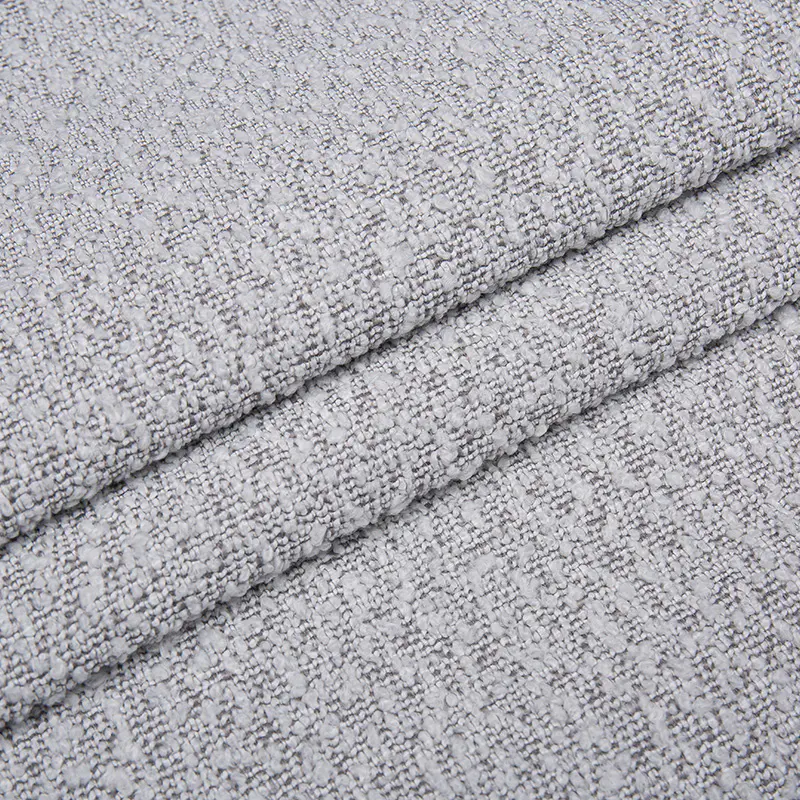
If you're uncertain whether brushed fabric fits your project, comparing it against chenille upholstery fabric is a useful exercise — both are soft-textured options with different structural properties and price points.
Brushed sofa fabric is forgiving to maintain, but it does reward a consistent routine. Vacuum weekly using a soft brush attachment on low suction — this prevents the surface fibers from matting and removes the fine dust that dulls the texture over time. For spills, blot immediately with a dry cloth; avoid rubbing, which pushes the stain deeper and can distort the pile direction.
Most polyester-based brushed fabrics can be spot-cleaned with mild diluted soap and cold water. Avoid steam cleaning unless the fabric spec sheet explicitly permits it — sustained heat can flatten the pile permanently. A complete brushed sofa fabric care and maintenance guide covers the full process for both residential and commercial settings.
For buyers sourcing at volume, the key differentiators between suppliers are finishing quality, minimum order flexibility, and technical documentation. Established manufacturers who produce brushed fabric alongside complementary upholstery categories — such as jacquard, masterbatch weave, or cut pile — typically have more mature quality control processes and can offer comparative material data across product lines.
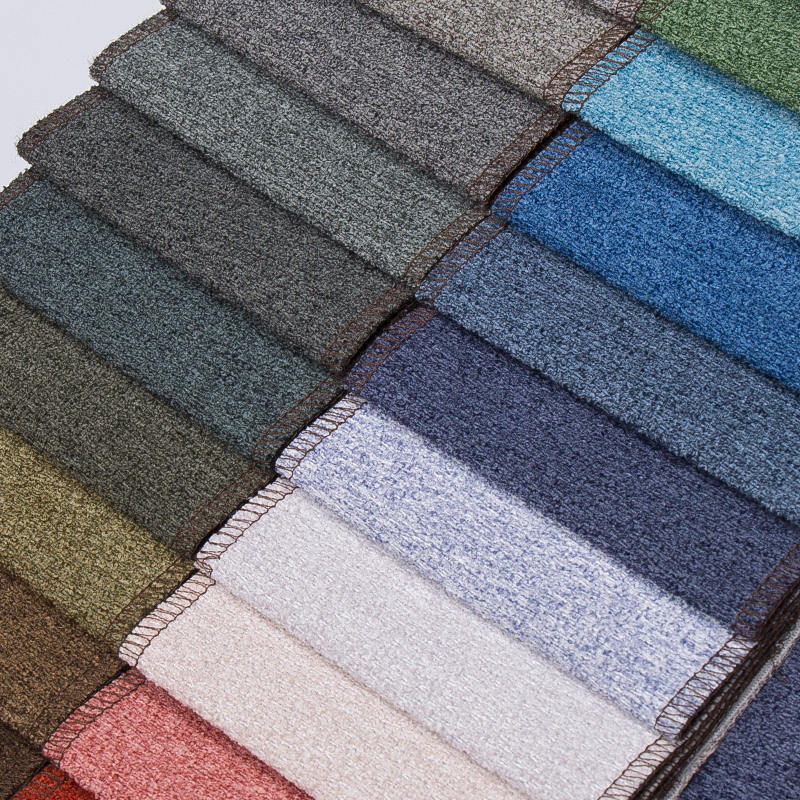
Look for suppliers who can provide physical samples before bulk orders, share fabric spec sheets with tested performance data, and have experience with the specific end-use you're targeting. Whether you're specifying for a furniture manufacturer, a hospitality project, or a retail upholstery line, those details are what separate a fabric that performs from one that simply passes an initial touch test. See the full sofa fabric comparison by durability and comfort to set benchmarks before making a sourcing decision.

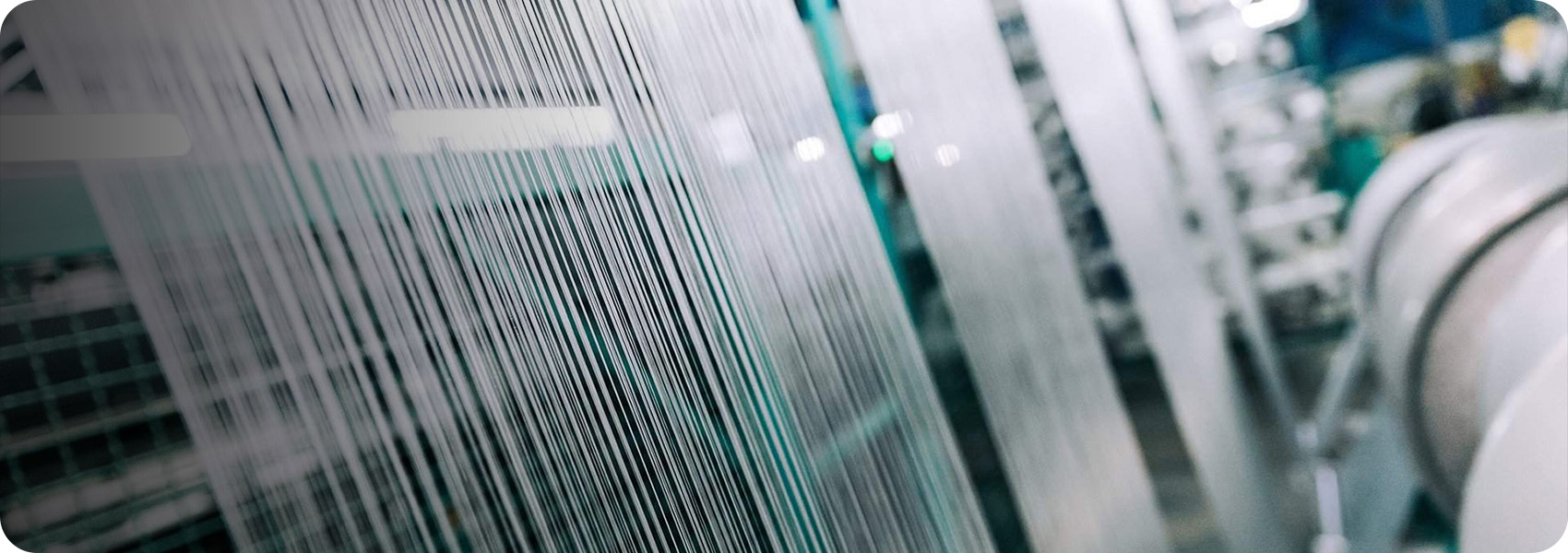
From yarn to fabric. At Xiangyi, we stitch quality into every seam, crafting sofa fabric that goes beyond decor—it embodies your home’s unique style.
PRODUCT

+86-18262539999(Meng Lin)