 English
 中文简体
中文简体
 عربى
عربى
Industry News
 By Admin
Content
Brushed sofa fabric requires gentle, consistent maintenance to preserve its soft texture and appearance. The most effective cleaning method combines regular vacuuming with immediate spot treatment using mild, pH-neutral solutions. Avoid harsh scrubbing, excessive moisture, and heat exposure to prevent permanent damage to the delicate fibers.
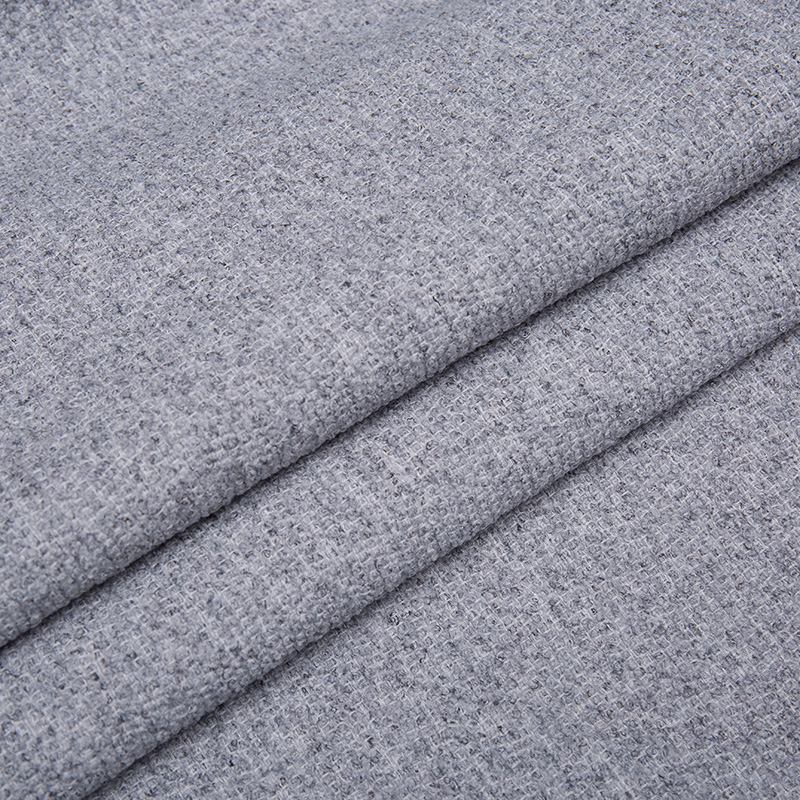
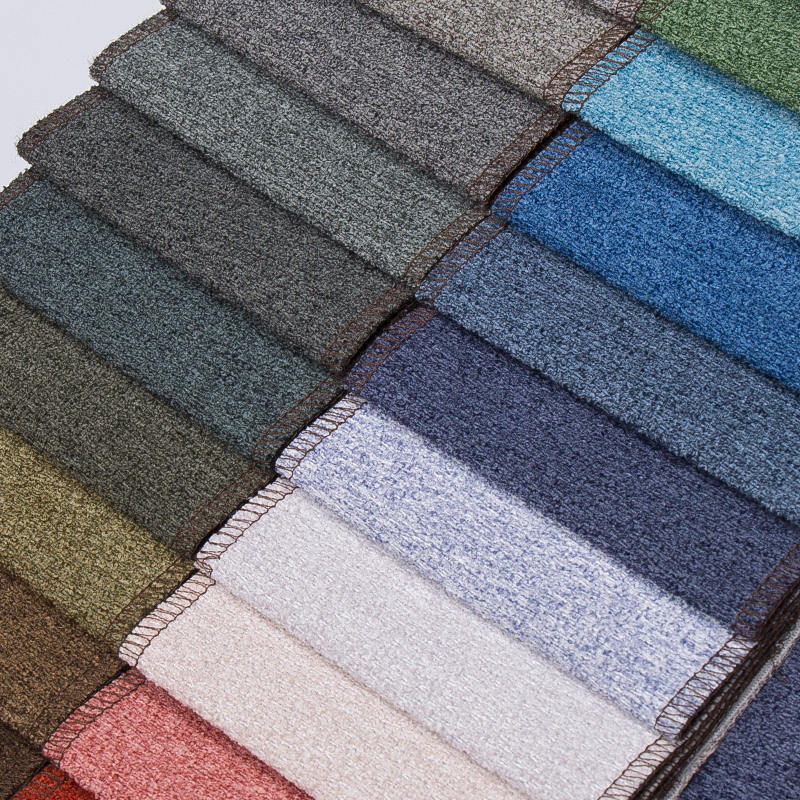
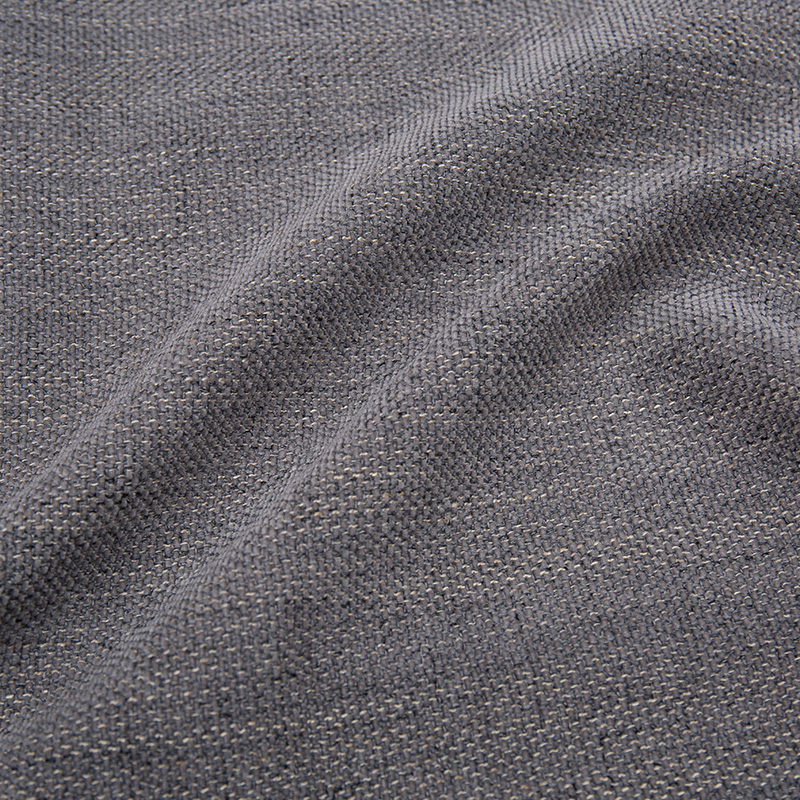
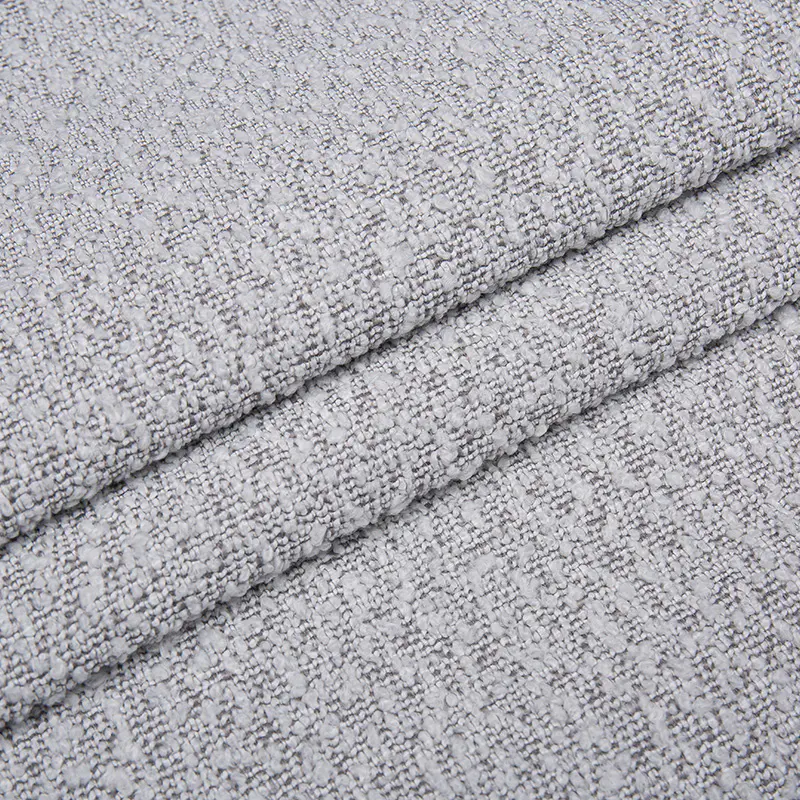
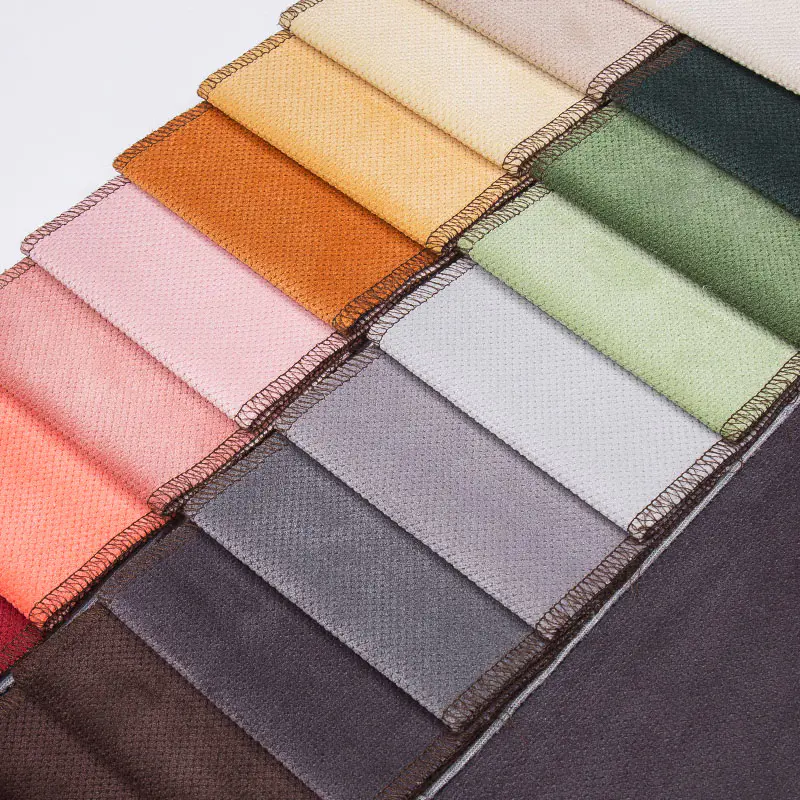
Brushed fabrics, including microfiber, velvet, and chenille, feature raised fibers that create a luxurious, soft surface. These materials are particularly susceptible to crushing, matting, and water staining because the brushing process opens the fiber structure. Approximately 70% of brushed fabric damage occurs from improper cleaning techniques rather than normal wear.
| Fabric Type | Water Sensitivity | Cleaning Difficulty |
|---|---|---|
| Microfiber | Low | Easy |
| Velvet | High | Moderate |
| Chenille | Moderate | Moderate |
| Corduroy | Moderate | Difficult |
Consistent daily care prevents dirt accumulation and extends fabric lifespan significantly. Spending just 5 minutes daily on maintenance can reduce deep cleaning needs by up to 60%.
Use a vacuum with an upholstery attachment set to low suction. Work in the direction of the nap to avoid disturbing the fiber alignment. Pay special attention to crevices and seams where debris collects.
A soft-bristled clothes brush restores texture to matted areas. Brush gently in one direction to realign fibers. For velvet and chenille, use a specialized fabric brush with natural bristles to avoid static buildup.
Immediate attention to spills prevents permanent staining. Acting within 30 seconds of a spill increases successful stain removal by 85%.
Never rub brushed fabric. Instead, use a clean, white microfiber cloth to blot from the outside of the stain inward. Apply gentle pressure to absorb liquid without spreading the stain or crushing fibers.
Mix one teaspoon of mild dish soap with one cup of lukewarm water. Test on an inconspicuous area first. Apply sparingly with a spray bottle rather than pouring directly onto fabric. Excess moisture is the primary cause of water rings and fiber damage.
| Stain Type | Treatment Method | Caution |
|---|---|---|
| Water-based | Mild soap solution | Avoid over-wetting |
| Oil-based | Cornstarch absorption | No heat application |
| Protein-based | Enzyme cleaner | Cold water only |
| Ink | Rubbing alcohol | Test colorfastness first |
Deep cleaning should occur every 12 to 18 months for regularly used sofas. Professional cleaning services use hot water extraction at controlled temperatures, but careful DIY methods can achieve similar results.
Steam cleaning works well for microfiber but risks crushing velvet and chenille piles. Keep the steamer nozzle at least 6 inches from the surface and move continuously to prevent heat concentration. Steam temperatures above 150 degrees Fahrenheit can melt synthetic fibers.
Dry foam cleaners minimize moisture exposure. Apply foam sparingly with a soft sponge, allow it to dry completely, then vacuum residue. This method is particularly effective for water-sensitive fabrics like silk-blend velvets.
Air dry naturally away from heat sources and direct sunlight. Once dry, brush the fabric gently to restore the nap. For severely matted areas, a fabric shaver can remove pills, but use extreme caution to avoid cutting underlying fibers.
Understanding what damages brushed fabric helps you avoid costly mistakes. Friction from pet claws causes irreparable fiber breakage in 90% of cases.
Sharp objects, including jewelry and pet nails, snag and tear raised fibers. Train pets to use designated furniture or apply washable throws. Trim loose threads immediately with sharp scissors rather than pulling them.
Avoid bleach, ammonia, and alcohol-based cleaners on most brushed fabrics. These chemicals strip protective finishes and cause discoloration. Even natural cleaners like vinegar can damage certain dyes and fiber coatings.
High humidity promotes mold growth within dense fiber structures. Low humidity generates static electricity that attracts dust and causes fibers to become brittle. Use dehumidifiers or humidifiers as needed to maintain optimal conditions.
Extending your sofa's lifespan requires strategic planning beyond regular cleaning. Properly maintained brushed fabric sofas can last 15 to 20 years compared to 7 to 10 years for neglected pieces.
Schedule professional cleaning before visible soiling appears. Annual inspections by upholstery specialists identify early wear patterns and structural issues. Consider applying fabric protector treatments every two years to repel stains.
If fabric shows widespread fiber loss, permanent staining affecting more than 30% of the surface, or structural damage to the backing material, reupholstering becomes more cost-effective than continued maintenance attempts.

From yarn to fabric. At Xiangyi, we stitch quality into every seam, crafting sofa fabric that goes beyond decor—it embodies your home’s unique style.
PRODUCT

+86-18262539999(Meng Lin)