 English
 中文简体
中文简体
 عربى
عربى
Industry News
Home / News / Industry News / Brushed Fabric vs. Regular Fabric: Key Differences in Comfort and Durability
 By Admin
Content
When selecting fabric for upholstery, apparel, or home textiles, the choice between brushed and regular fabric is more than a matter of texture — it directly affects comfort, insulation, and long-term performance. Here's a concise breakdown of what sets them apart.
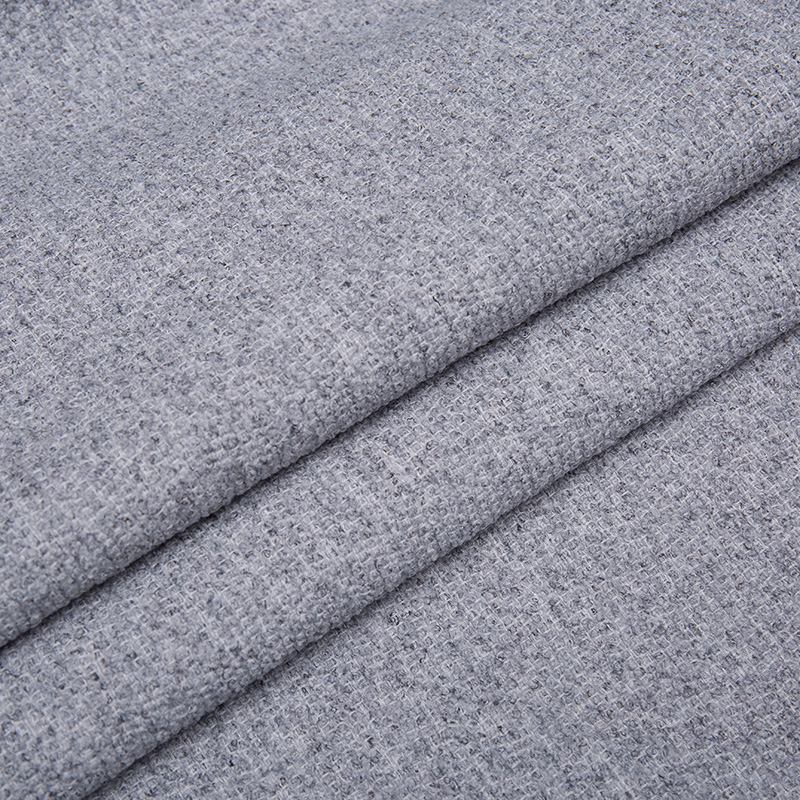
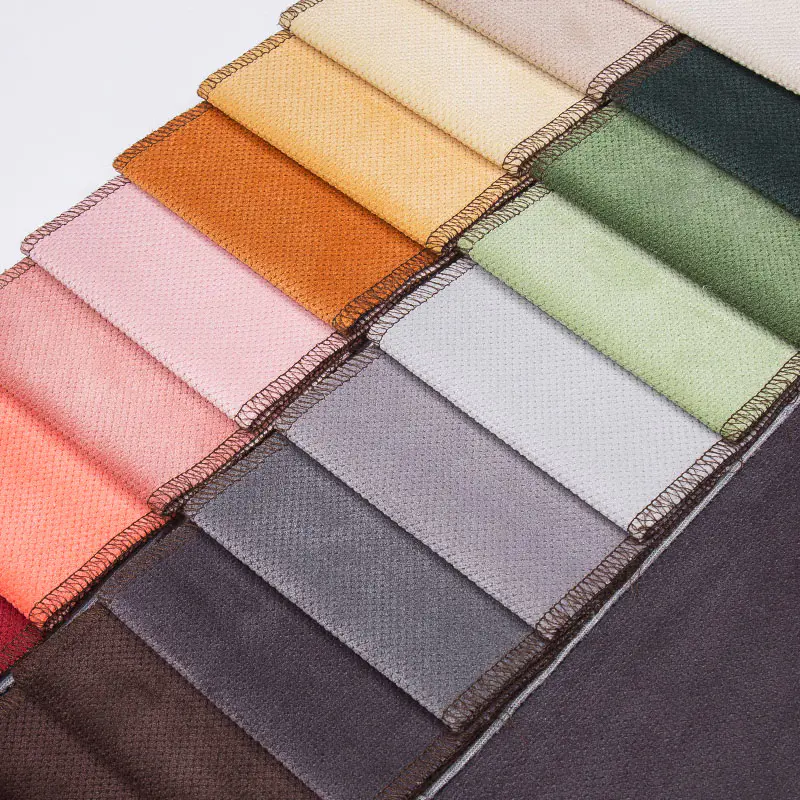
Brushed fabric is produced by passing the base textile over rollers fitted with fine wire pins or abrasive surfaces. This mechanical process lifts tiny fiber ends from the yarn, forming a soft nap on the surface. The intensity of brushing can be varied: a light pass delivers a subtle peach-skin feel, while a heavier treatment produces a thick, fleece-like pile. Single-side brushing is the most common, while double-side brushing creates an even fuller, warmer hand.
At Xiangyi, our brushed sofa fabrics are precision-finished to achieve consistent softness while preserving the structural integrity of the base weave.
The raised fiber layer in brushed fabric traps air, providing natural insulation and a noticeably warmer feel against the skin. This makes it ideal for winter upholstery, cozy loungewear, and cold-climate bedding. Regular fabric, by contrast, lies flat — its fibers are not disturbed — resulting in a cooler, crisper touch that suits warm environments and high-activity use.
| Property | Brushed Fabric | Regular Fabric |
|---|---|---|
| Surface texture | Soft, plush nap | Smooth, flat |
| Thermal insulation | High — traps air effectively | Low — minimal air retention |
| Skin feel | Gentle, wool-like | Cool, crisp |
| Breathability | Moderate | High |
| Best for | Cold climates, relaxed use | Warm climates, active use |
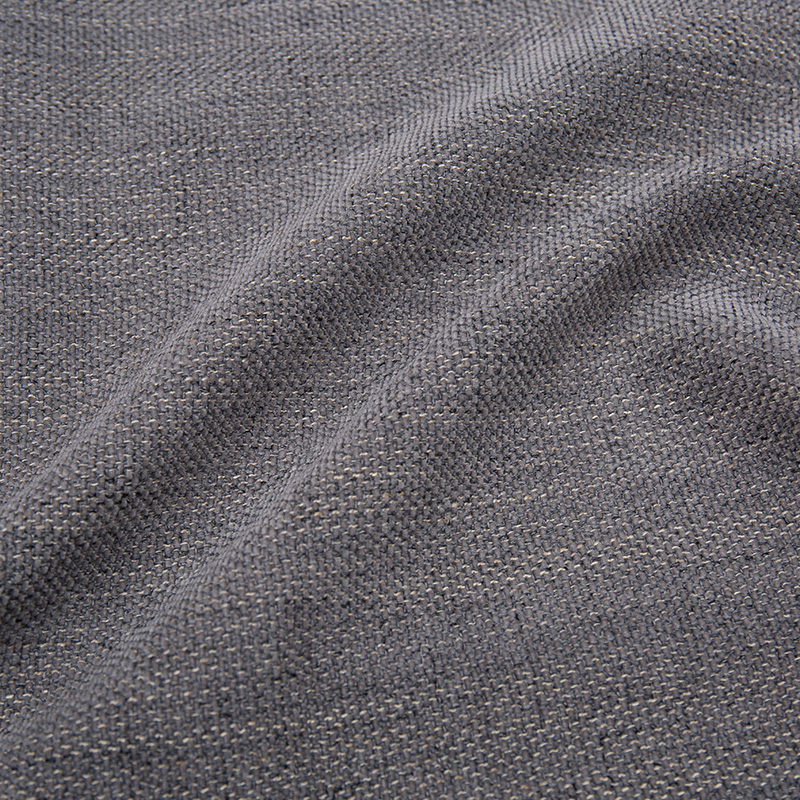
Because the brushing process intentionally abrades the fiber surface, regular fabric generally offers better abrasion resistance. The intact yarn structure resists friction more effectively over time. Brushed fabric, by contrast, can pill — loose surface fibers tangle under repeated friction — and may feel thinner in high-wear zones after extended use.
However, the durability gap narrows significantly with quality manufacturing. High-grade brushed fabrics undergo anti-pilling treatments and are woven from longer-staple fibers, which hold the nap more securely. Xiangyi's brushed fabric line incorporates wear-resistance finishing to extend product lifespan without compromising softness.
Regular fabric dries faster and wicks moisture more efficiently — an advantage for performance wear and warm-season upholstery. Brushed fabric's fiber loft increases surface area, which absorbs moisture readily but takes longer to release it. For indoor home textiles in temperate climates, this is rarely a problem. For sportswear or tropical settings, regular fabric is the practical choice.
Regular fabric is more forgiving in washing: it tolerates higher temperatures and standard machine cycles with less risk of structural change. Brushed fabric requires a gentler approach — cool or warm water, slow spin, low-heat drying — to preserve the nap and prevent shrinkage. Washing inside-out reduces pilling caused by surface friction in the drum.
The decision comes down to application and climate. For winter upholstery, decorative throws, and comfort-first seating, brushed fabric delivers warmth and a premium tactile experience that regular fabric cannot replicate. For high-traffic furniture, warm-weather use, or performance textiles, regular fabric's durability and breathability make it the smarter investment.
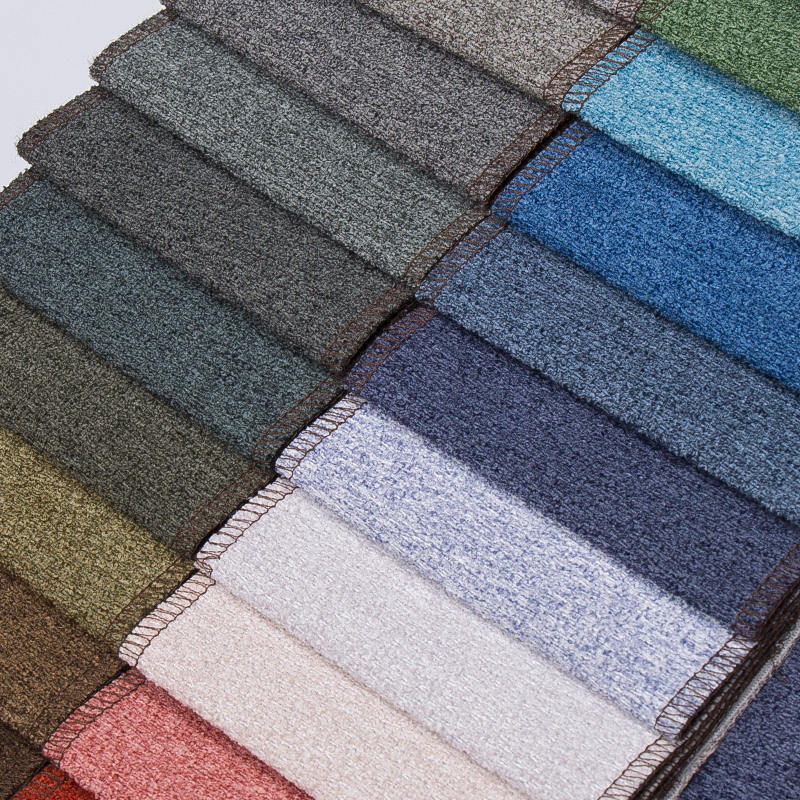
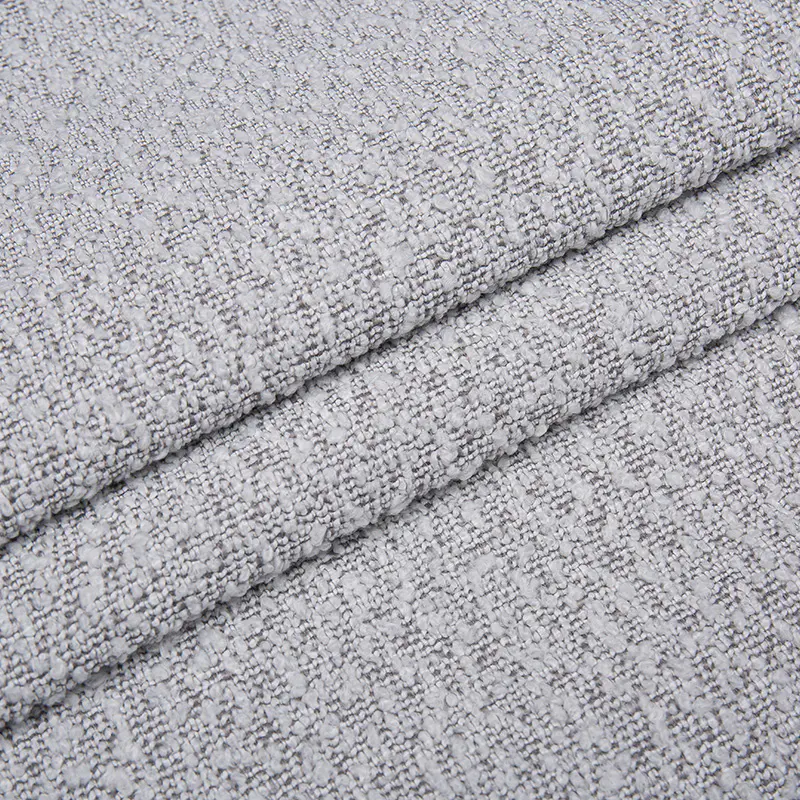
Xiangyi supplies both fabric types across a full range of constructions — from jacquard wovens to cut-pile finishes. Browse our complete fabric collection to find the right material for your project, or contact our team for sourcing guidance.

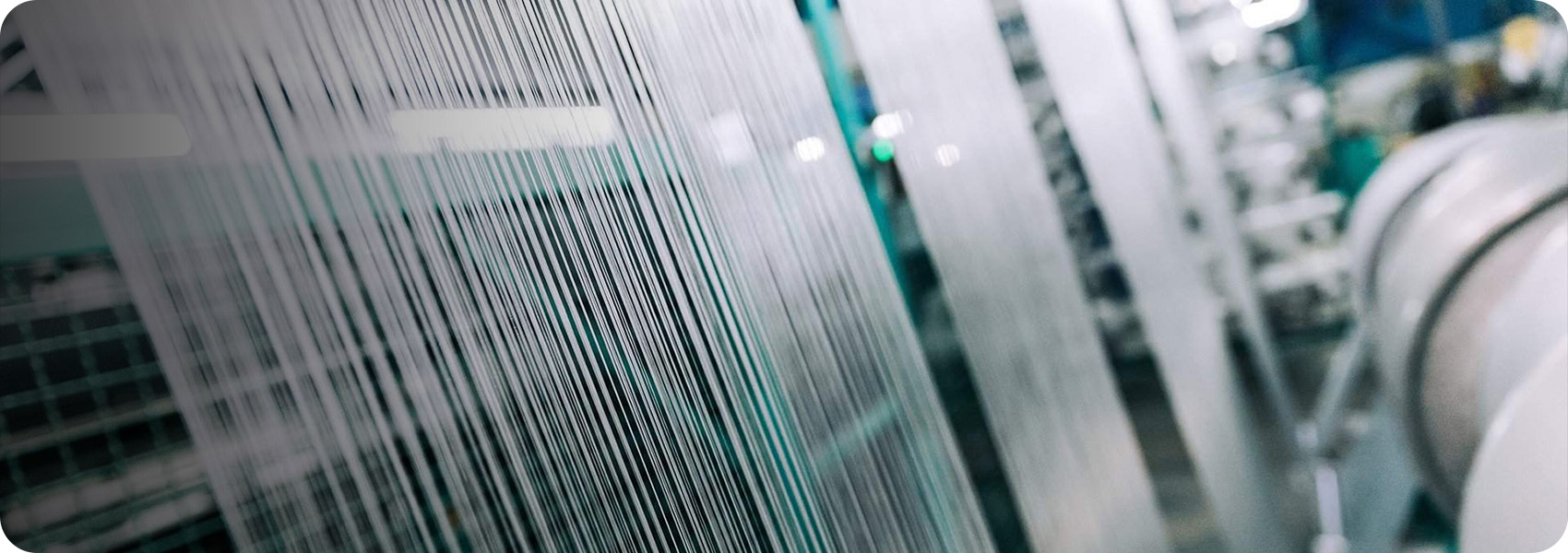
From yarn to fabric. At Xiangyi, we stitch quality into every seam, crafting sofa fabric that goes beyond decor—it embodies your home’s unique style.
PRODUCT

+86-18262539999(Meng Lin)