 English
 中文简体
中文简体
 عربى
عربى
Industry News
Home / News / Industry News / Materials in Textiles: A Practical Guide to Fibers, Blends, and Performance
 By Admin
Content
Selecting a textile material involves more than choosing a color or a weave. A fabric that looks durable can fail after two years of use if its fiber, yarn structure, and finish are not matched to the application. The same fiber can produce a delicate garment or a heavy-duty sofa cover depending on how it is spun, woven, and treated. This guide explains the main categories of materials in textiles and gives you a practical way to evaluate them for furniture or apparel.
Natural fibers come from plants and animals, and they offer a level of breathability that many consumers can feel immediately. Cotton is soft, absorbent, and easy to print on, which is why it appears in everything from casual shirts to lightweight upholstery. Linen, made from flax, is stronger than cotton and dries quickly, but it creases easily and can feel stiff during the first weeks of use. Wool resists dust and wrinkles, buffers humidity, and recovers its shape after compression, which makes it valuable in tailoring and premium blankets. Silk offers a smooth surface and a refined drape, though its cost and sensitivity to sunlight make it a niche material for special occasions rather than daily-use upholstery.
Natural fibers also have limitations that affect product design. Cotton absorbs water and may feel damp in a humid room; linen can wrinkle; wool can shrink if not handled carefully. These properties are not defects, but they must be designed around. A cotton fabric intended for a frequently used sofa may need a tight weave, a protective finish, or a blend with synthetic fibers.
Synthetic fibers are engineered for consistency. Polyester is the most common textile fiber in the world for good reason: it resists stretching and shrinking, dries quickly, and holds color well. For upholstery, manufacturers use polyester in high-wear areas because it can be woven into dense, abrasion-resistant surfaces. Nylon is even tougher and more elastic; it is common in activewear, bags, and fabrics that need to flex without losing shape. Acrylic has the fluffy hand feel of wool at a lower cost, so it shows up in knit blankets and decorative throws. Semi-synthetic fibers such as rayon are made from plant cellulose and offer a soft, absorbent feel closer to natural fibers.
A common concern is that synthetic fabrics are less breathable. The base fiber is part of the equation, but not the whole story. A loosely woven polyester with an open construction can be cooler than a tightly woven cotton. A more reliable way to judge comfort is to look at the fabric structure and the end-use test, not just the fiber name. If you are chasing a natural linen look with the easy cleaning of synthetic material, an imitation linen construction can give you the texture without the ironing burden.
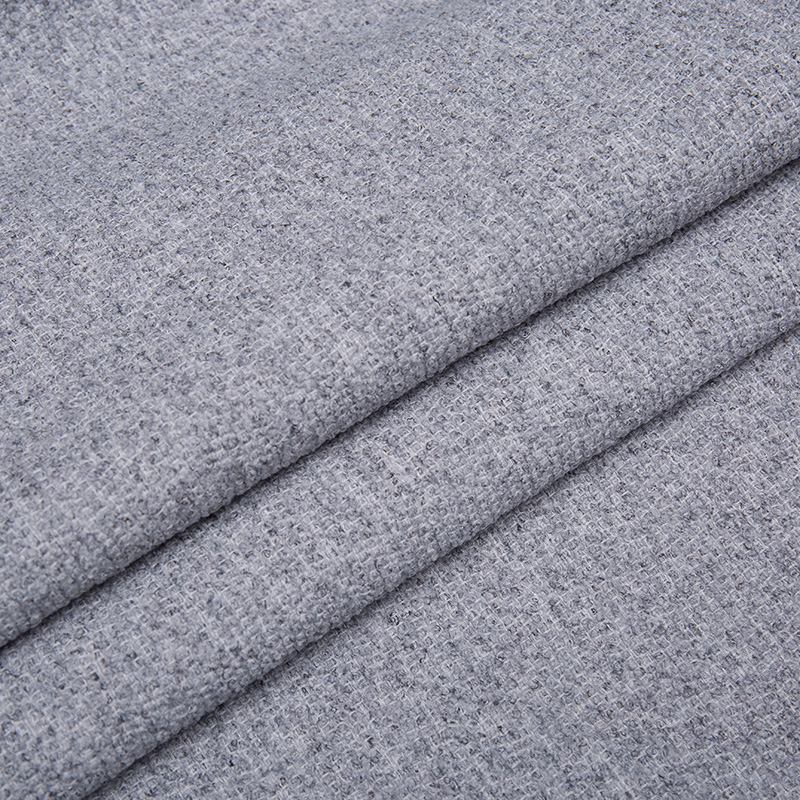 Polyester Imitation Linen Sofa Fabric from Chinese ManufacturerThis all-polyester imitation linen fabric offers a dry, thick hand feel with good durability and easy care. It suits those seeking a linen look that resists wrinkles, water, and stains without ironing.View Product →
Blending fibers is a way to control trade-offs. A 65 percent polyester, 35 percent cotton blend combines cotton's moisture comfort with polyester's strength and dimensional stability. In upholstery, a cotton-polyester blend can be treated with a stain-resistant finish while keeping a softer hand feel. Wool and nylon blends are common in heavy upholstery and carpets because nylon protects the surface from abrasion while wool provides cushion and recovery.
Mixed fibers are not the same as blends. A blend mixes fibers inside each yarn, while a mixed fabric uses different yarns in the weave—for example, a cotton warp combined with a polyester weft. Both approaches let a specifier control properties in two directions. A woven fabric with a soft chenille yarn and a smooth ground yarn can feel plush on the surface while still retaining structural strength underneath.
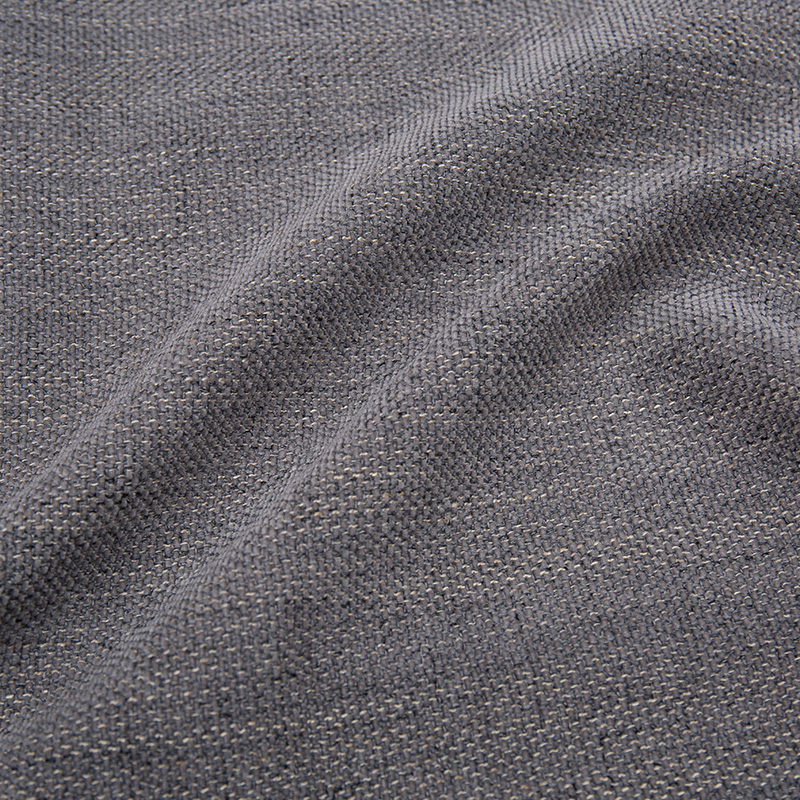 Performance Chenille Fabric for Luxurious UpholsteryChenille's dense, soft pile gives a plush feel and strong warmth while remaining breathable. It pairs well with structural weave techniques, making it a compelling choice for durable yet comfortable sofa covers.View Product →
Fabric construction determines how much movement, friction, and cleaning the material can absorb. Two sofas can use the same polyester fiber, yet one will last far longer because its weave is denser. Densely woven twills and jacquards usually handle wear better than loose constructions. Yarn count also matters: a higher denier in the face yarn often means more material on the surface, but only if the weave density supports it. A high yarn count in a flimsy construction will not save the fabric.
Knitting is structurally different from weaving and suits apparel. A knit has loops that stretch and recover, which gives garments comfort during movement. Woven fabrics hold their shape better and are easier to tailor into structured pieces. Upholstery fabrics therefore tend to be woven, while stretch materials for clothing are often knitted.
Finishing turns a raw cloth into a functional textile. A stain-resistant coating helps upholstery survive spills. A water-repellent finish keeps outdoor fabrics from becoming heavy with rain. A brushed finish raises surface fibers to create warmth and softness. Each treatment changes more than one property: heavy brushing can make a fabric pill faster if the base yarn is weak, but on a well-made woven base, brushing adds comfort without destroying strength. Other options include flame retardants, antimicrobial finishes, and phase-change coatings that buffer temperature swings.
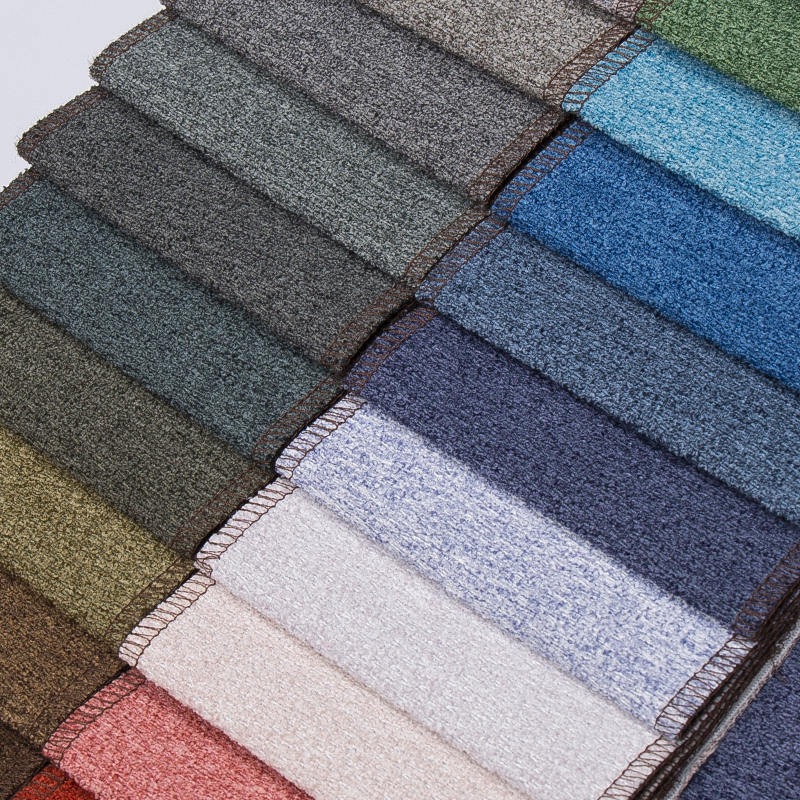 Soft Brushed Fabric for Warm, Durable Sofa CoversA brushed surface creates short, wool-like fluff that adds warmth and softness while keeping breathability and moisture control. Properly finished, it stays wear-resistant and pill-free for long-lasting household use.View Product →
Furniture fabric must resist repeated seating, friction, and household cleaning. Martindale rub cycles give one useful baseline: heavy domestic use starts at around 20,000 cycles, and contract upholstery often requires 40,000 or more. Abrasion alone is not enough. Seam slippage, pilling, and lightfastness also decide whether a sofa cover still looks acceptable after three years.
Apparel fabrics follow a different logic. Drape, stretch, and moisture management matter more than rub resistance. A fabric that is perfect for a sofa will usually feel too stiff and heavy in a shirt. Clothing also faces frequent washing, so colorfastness and dimensional stability become the primary risks, not abrasion. In short, specify the end use before you select the material.
| Attribute | Upholstery | Apparel |
|---|---|---|
| Primary need | Abrasion resistance | Drape and movement |
| Common test | Martindale rub cycles | Stretch recovery |
| Typical finishes | Stain and water repellency | Easy-care, moisture wicking |
| Common fibers | Polyester, nylon, wool | Cotton, rayon, polyester blends |
| Failure mode | Pilling, seam slippage | Color loss, shape distortion |
Long-lasting materials are the first step toward sustainable textiles. A fabric that survives ten years of use usually beats a cheap one replaced every three years, especially when you tally the energy and materials used in the supply chain. Recycled polyester, organic cotton, and masterbatch coloring are all attractive options, but each has to be judged in context. In masterbatch coloring, pigment is added during fiber production instead of dyeing finished cloth, which can save water and lower waste. The practical benefit depends on the fabric's use, colors, and the quality of the color base.
Choosing fewer, better materials is a defensible sustainability strategy for any product category.
Understanding textile materials is the first half of the job; finding a supplier who can move from sample to production is the second. A vertically integrated textile supplier controls yarn development, weaving, dyeing, and finishing under one roof, which shortens communication and allows faster adjustments during sampling. The company behind this site describes itself as a vertical sofa fabric manufacturer with additional apparel fabric capacity. You can review the manufacturing setup on the company profile page.
Before asking for a quote, define the performance threshold for your product: abrasion cycles, care instructions, lightfastness, and the physical feel you need. Then choose a material class. If you need a soft, plush surface, consider chenille; if you need a natural look with synthetic durability, test an imitation linen; if you need a warm hand feel, evaluate brushed constructions. With a clear specification, a supplier can recommend the right construction and finish more efficiently. To discuss your material requirements, contact the team.

From yarn to fabric. At Xiangyi, we stitch quality into every seam, crafting sofa fabric that goes beyond decor—it embodies your home’s unique style.
PRODUCT

+86-18262539999(Meng Lin)