 English
 中文简体
中文简体
 عربى
عربى
Industry News
 By Admin
Content
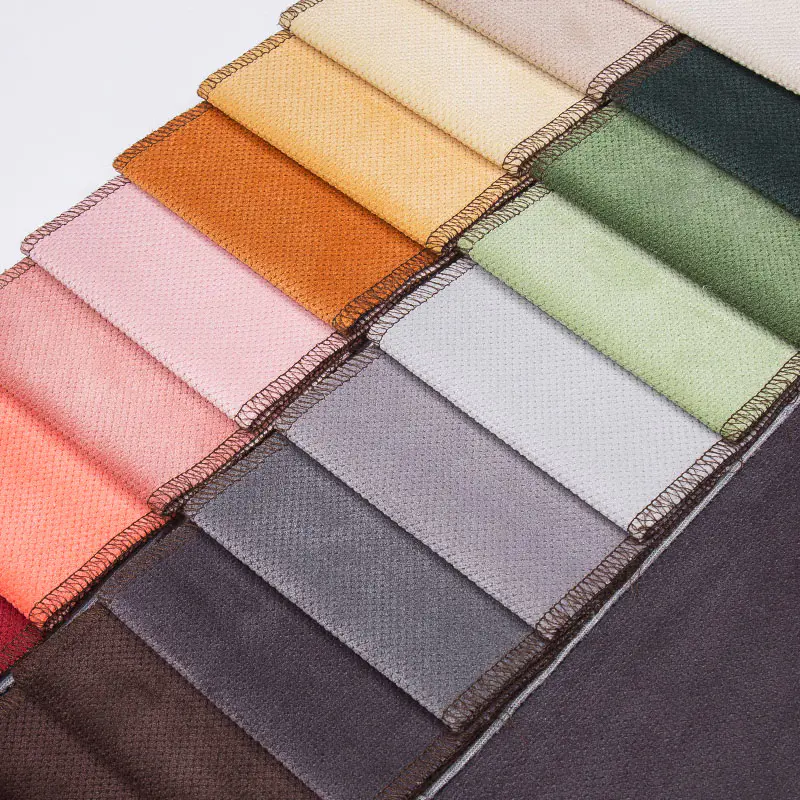
Cut pile fabric is a woven or knitted textile where surface yarn loops are sheared to create an upright, velvet-like nap. Unlike loop pile fabrics where the yarn loops remain intact, the cutting action opens the fiber ends, producing a plush, uniform surface with enhanced softness and light reflection. This structure is achieved by weaving extra warp or weft yarns over wires and then slicing the loops, or by using a double-cloth method that severs two connected fabrics after weaving. The result is a fabric that balances tactile comfort with controlled resilience, making it suitable for everything from luxury upholstery to everyday apparel.
In textile engineering, the term “pile” refers to the raised surface fibers or yarns, while “cut” indicates that those loops have been severed. This distinction is critical because the cut ends expose more fiber surface area, which affects abrasion resistance, crush recovery, and dye penetration. Pile density and fiber type, not just height, determine how the fabric performs under stress.
The cut pile family includes a wide range of constructions, each engineered for specific performance and aesthetic goals. Below is a comparison of the most common varieties found in commercial and residential textiles.
| Type | Characteristics | Typical Pile Height | Common Uses |
|---|---|---|---|
| Velvet | Dense, evenly cut short pile with luxurious sheen; can be made from silk, rayon, cotton, or synthetics. | 0.5–1.5 mm | Upholstery, evening wear, drapery |
| Corduroy | Ribbed cut pile with distinct vertical wales; durable and warm; wale counts vary from fine to wide. | 1–4 mm | Pants, jackets, casual upholstery |
| Velveteen | Similar to velvet but with a shorter, denser pile and a slightly firmer hand; typically cotton-rich. | 0.5–1 mm | Children’s clothing, toys, lightweight upholstery |
| Plush | Longer, less dense pile with a soft, fluffy feel; often used for comfort-driven applications. | 3–10 mm | Robes, blankets, stuffed animals |
| Friezé | Tightly twisted cut pile with a nubby, textured surface; highly durable and hides wear well. | 2–6 mm | Commercial upholstery, high-traffic carpet |
Beyond these basic categories, manufacturers can modify pile density, yarn twist, and fiber blends to create performance-oriented cut pile fabrics for automotive interiors, contract furniture, and marine upholstery. For example, a polyester velvet with a high-density woven backing and a stain-resistant finish can achieve over 50,000 double rubs on the Wyzenbeek abrasion test, rivaling many flat-woven textiles.
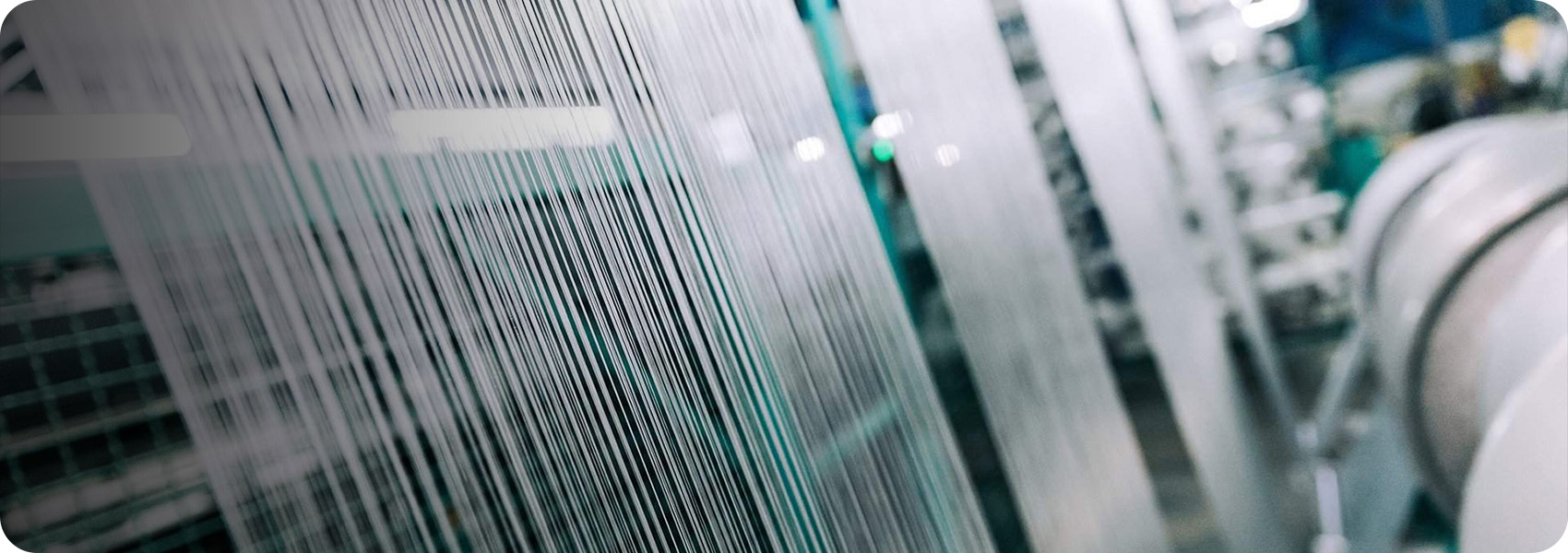
Producing a consistent cut pile fabric requires precise control over yarn tension, wire height, and cutting blades. The process begins with selecting filament or staple yarns—commonly polyester, polypropylene, cotton, viscose, or blends. For high-volume upholstery, solution-dyed polyester or nylon is prevalent because the color is locked into the polymer before extrusion, giving it excellent fade and bleach resistance.
Weaving typically uses a face-to-face method on a double rapier loom. Two separate ground fabrics are woven simultaneously, connected by pile warp yarns. A reciprocating knife slices through the connecting yarns as they exit the weaving zone, producing two identical cut pile fabrics. This technique ensures uniform pile height and allows for high production speeds. Knitting methods, such as sliver knitting, can also produce deep-pile fabrics for faux fur or luxury throws.
After weaving or knitting, the fabric undergoes finishing—shearing to even out the pile, heat-setting to lock in fiber orientation, and coating the back with latex or acrylic to stabilize the pile and prevent tuft loss. Back-coating adhesion is a key quality checkpoint: poor adhesion causes shedding and premature wear. Some high-performance cuts also receive antimicrobial or soil-release treatments during finishing.
When evaluating cut pile fabric for a specific application, focus on four measurable attributes: abrasion resistance, pile recovery, colorfastness, and seam strength. These metrics are often documented in supplier technical data sheets.
Tested via the Wyzenbeek or Martindale method, this indicates how many rubs the fabric can withstand before showing significant wear. Residential upholstery typically requires 15,000–25,000 double rubs; heavy-duty contract applications demand 50,000 or more. Dense, low-profile cut pile structures like friezé tend to outperform tall, open plush constructions.
Cut pile fabrics can show pressure marks after prolonged sitting. The ability to spring back depends on fiber resilience and pile density. Polyester and nylon elastane blends offer better recovery than rayon or cotton velvets. Testing for appearance retention involves compressing the pile with a weighted disk and measuring the time to recover.
The cut ends of the pile fibers can absorb more dye, but they also expose more surface area to UV degradation. Solution-dyed acrylic and polyester surpass piece-dyed alternatives for outdoor or window-facing upholstery. AATCC 16 lightfastness ratings of Grade 4 or higher are recommended for any sun-exposed application.
Because cut pile fabrics often have a dense face, the backing must carry the load at seams. Poorly constructed ground weaves can lead to seam puckering or failure. A minimum tensile strength of 50 lbf in the warp and fill directions and seam slippage under 1 mm at 30 lbf are typical benchmarks for upholstery-grade goods.
Cut pile fabric’s combination of tactile appeal and customizability makes it a go-to material for designers and engineers alike.
Start by mapping the end-use environment, then translate that into technical requirements.
For high-traffic contract seating, specify a polyester or nylon friezé with a minimum of 50,000 double rubs and a heavy-duty backing. For luxury residential upholstery with low use, a cotton blend velvet with a soft hand might be preferred, knowing it will require more delicate care. In apparel, wale count in corduroy defines the style: fine wale (16–21 wales per inch) for dressier pieces, wide wale (3–6 wpi) for casual wear.
Also consider fiber blend. A polyester-viscose velvet may offer a silk-like drape at a lower cost, but its abrasion resistance falls short of 100% polyester. Always request a physical sample and perform a hand crush test, a rub test, and a light exposure check before committing to a large order.
The cut fiber ends are prone to catching dirt and oil, so regular vacuuming with an upholstery attachment is recommended for furniture. For cleaning codes (W, S, W/S, X), always check the manufacturer’s label. Water-based cleaners can cause pile distortion or water rings on viscose pile; solvent cleaning is safer for those materials. Blot spills immediately—rubbing can embed stains and crush the pile. Professional dry cleaning is advisable for structured apparel pieces like corduroy blazers to maintain wale definition.

From yarn to fabric. At Xiangyi, we stitch quality into every seam, crafting sofa fabric that goes beyond decor—it embodies your home’s unique style.
PRODUCT

+86-18262539999(Meng Lin)