 English
 中文简体
中文简体
 عربى
عربى
Industry News
 By Admin
Content
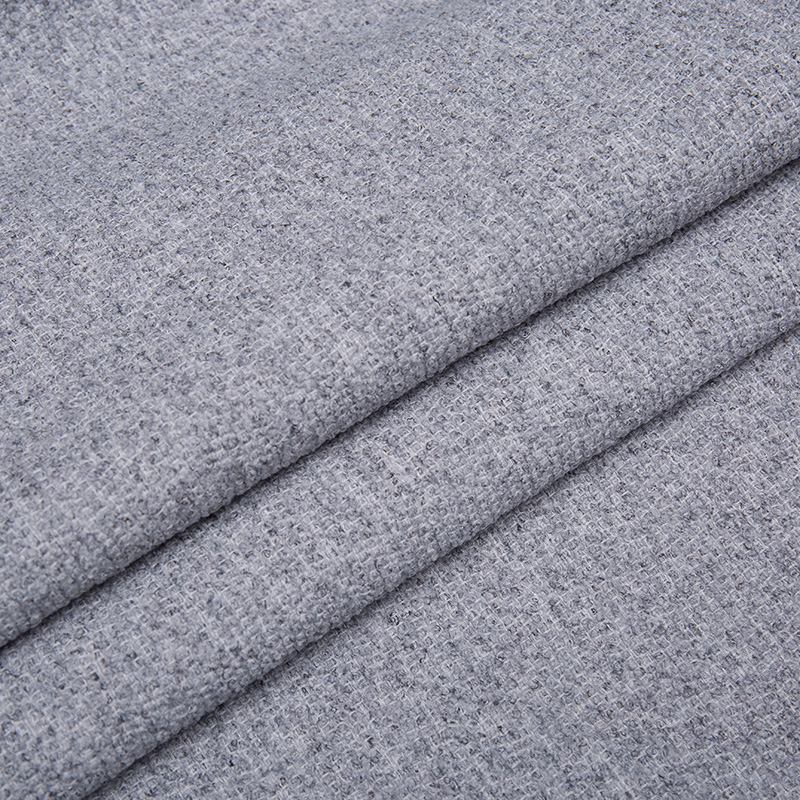
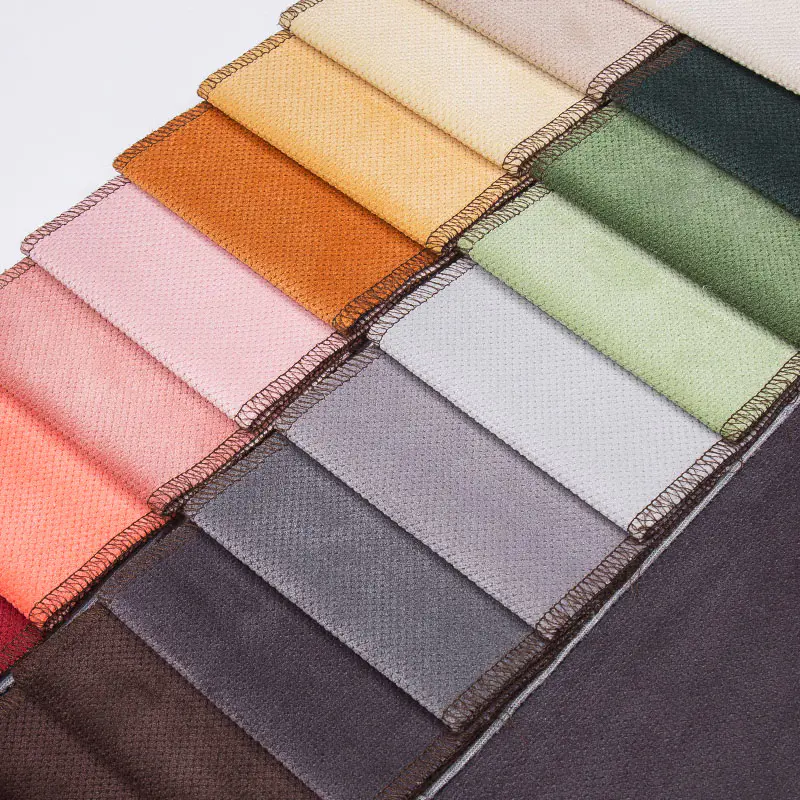
Brushed fabric is any textile that has been mechanically treated with fine wire brushes or rollers to lift the surface fibers, creating a soft, fuzzy, or napped finish. The result is a noticeably warmer, softer hand feel compared to the same fabric in its unbrushed form. This finishing process is applied to woven and knit fabrics alike, and it works across a wide range of fiber types including cotton, polyester, wool, and blended materials.
The brushing process pulls short fibers to the surface without cutting them away entirely, which traps air and creates insulating loft. That air layer is exactly what makes brushed fabrics feel warmer against the skin, even when the base fabric is lightweight. It is a finishing technique, not a weave structure, so the same weave can exist in both brushed and unbrushed versions.
Not all brushed fabrics behave the same way. The fiber content and base construction shape how the brushing comes out and what the fabric is best suited for.
| Fabric Type | Base Fiber | Key Characteristic | Common Use |
|---|---|---|---|
| Brushed Cotton | Cotton | Soft, breathable, absorbs moisture | Flannel shirts, pajamas, bed sheets |
| Brushed Polyester | Polyester | Durable, quick-drying, pill-resistant | Activewear, fleece, outerwear lining |
| Brushed Wool | Wool or wool blend | Excellent warmth, natural insulation | Coats, blazers, winter accessories |
| Brushed Tricot | Nylon or polyester knit | Smooth face, brushed back, stretchy | Sportswear, lingerie, lining fabric |
| Brushed Denim | Cotton twill | Softened texture, less stiff than standard denim | Casual pants, jackets, shirts |
Fabrics can be brushed on one side only or on both sides. Double-brushed fabric is noticeably softer and thicker because both the face and the back have been treated. Double-brushed polyester, for instance, has become a popular choice for leggings and loungewear precisely because the interior surface is as soft as the exterior. Single-sided brushing is more common in outerwear applications where the visible face retains a cleaner look while the back surface adds warmth.
The mechanical brushing process does more than change the feel. It physically alters the fabric structure in ways that affect warmth retention, moisture behavior, and durability.
Brushed fabrics appear across a wide range of garments. Knowing where the finish performs best helps in making smarter purchasing or sewing decisions.
Flannel, which is typically brushed cotton or a cotton-wool blend, remains one of the most widely used brushed fabrics for shirts, pajamas, and bedding. A standard flannel sheet set weighs around 170 grams per square meter and provides noticeably more warmth than a smooth percale sheet of the same thread count. The soft texture also reduces friction against sensitive skin, making it a practical option for children's sleepwear and loungewear.
Brushed polyester fabrics are widely used in activewear for cold-weather training. The brushed interior traps warmth during low-intensity warm-up phases while the exterior wicks moisture during higher-effort activity. Running tights and training tops often use double-brushed polyester blends for exactly this reason. The stretch-to-recovery ratio remains strong in brushed knits because the brushing process affects only the surface fibers and leaves the core yarn structure intact.
Brushed wool and wool-blend fabrics are common in structured coats and blazers. The napped finish gives coats a classic, refined appearance while also improving wind resistance. A brushed wool overcoat typically weighs between 400 and 600 grams per square meter, which is substantial enough to block wind effectively without added lining in mild conditions. The soft surface also drapes cleanly over tailored shoulders and lapels.
Beyond clothing, brushed fabrics are a staple in home textile applications where softness and warmth are priorities.
The brushed surface is the most vulnerable part of these fabrics. Improper washing or drying will flatten the nap, increase pilling, or cause the fabric to lose its characteristic softness. Following a few straightforward practices extends the life of the finish considerably.
Selecting the right type of brushed fabric depends on the intended use, the climate, and the level of care that is realistic for the situation.
| Use Case | Recommended Type | Key Reason |
|---|---|---|
| Winter sleepwear or pajamas | Brushed cotton flannel | Breathable, gentle on skin, regulates temperature |
| Cold-weather exercise | Double-brushed polyester | Stretch, moisture management, quick drying |
| Formal winter coat | Brushed wool blend | Structure, warmth, tailored drape |
| Bedding for sensitive skin | Brushed microfiber | Ultra-soft surface, low friction, easy care |
| Casual everyday shirt | Brushed cotton or brushed denim | Comfortable, washable, relaxed appearance |
| Sofa throw or lap blanket | Brushed fleece | Lightweight warmth, machine washable, affordable |
If sustainability is a consideration, brushed natural fibers like cotton and wool are biodegradable, while brushed polyester and microfiber shed microplastics during washing. Using a microplastic-catching laundry bag reduces this impact by capturing shed fibers before they enter wastewater systems.
When shopping in person, brushed fabric is easy to identify by touch. The surface feels distinctly softer and less smooth than an unbrushed equivalent, and running a finger lightly across it may reveal a directional nap that changes appearance when brushed against the grain.
When buying online, look for these terms in product descriptions:
Weight listed in grams per square meter (GSM) is a reliable indicator of thickness and warmth. A brushed fabric at 150 GSM will be lighter and less insulating than one at 300 GSM, even if both carry the same brushed finish description.

From yarn to fabric. At Xiangyi, we stitch quality into every seam, crafting sofa fabric that goes beyond decor—it embodies your home’s unique style.
PRODUCT

+86-18262539999(Meng Lin)