 English
 中文简体
中文简体
 عربى
عربى
Industry News
 By Admin
Content
The appeal of a jacquard dress begins with the fabric itself — a textile where every thread is precisely plotted to form patterns integral to the cloth, not merely applied on top. This weaving method creates a garment that feels substantial yet breathes naturally. For anyone selecting fabric for a dress project or evaluating ready-to-wear pieces, understanding the inherent strengths of jacquard clothing fabric is the first step toward a satisfying choice.
Simply put, dress jacquard fabric delivers permanent pattern definition, a soft hand feel, and excellent air circulation. These qualities make it an ideal foundation for everything from structured sheath dresses to flowing maxi styles.
Unlike printed fabrics where the design sits on the surface, jacquard patterns are created by controlling individual warp threads on a jacquard loom. This produces a cloth with a raised, textured surface that catches light differently across the motif. The result is a three-dimensional effect that printed alternatives cannot replicate. Common design families include:
Because the design is part of the weave, it will not peel, crack, or fade in the same manner as a surface print. Independent textile testing indicates that woven jacquard motifs retain over 95% of their original detail after 50 home laundering cycles, while typical printed dress fabrics may lose up to 30% of clarity in the same period.
Jacquard clothing fabric is characterized by a distinct concave-convex feel between the motif and the ground. This gentle relief not only adds visual depth but also influences how the fabric moves. A well-constructed jacquard dress holds its shape at the bodice yet allows a fluid skirt drape. The fabric’s handle is typically soft, especially when composed of cotton, viscose, or silk blends. Even polyester jacquard offers a surprisingly luxurious touch when woven with fine yarns.
Designers value this balance between structure and softness. For instance, a mid-weight jacquard with a grammage between 180 and 240 g/m² works perfectly for fit-and-flare dresses, providing enough body to maintain the skirt’s volume without stiffness.
A common misconception is that textured fabrics trap heat. In reality, the jacquard weave structure is relatively open, promoting steady air circulation. Air permeability measurements for typical dress-weight jacquard range from 80 to 120 litres per square metre per second, which outperforms many plain-weave fabrics of similar weight. This makes the fabric suitable for warm-weather dresses and layered transitional outfits alike.
The porous nature of the weave also allows moisture vapour to escape, reducing the clingy discomfort that can occur with tight-fitting garments. When selecting a jacquard clothing fabric for a summer dress, focus on those with natural fibre content such as cotton-linen jacquard, where breathability peaks while the jacquard pattern remains crisp.
Jacquard fabrics earn their reputation for longevity through the interlocking of multiple yarns in the pattern area. Abrasion resistance testing under the Martindale method frequently shows that jacquard dress fabric withstands 15,000 to 25,000 rubs before showing noticeable wear, significantly higher than many digitally printed counterparts. This translates into a garment that maintains its fresh look through repeated wearing, washing, and even dry cleaning.
Furthermore, the integrated design means there is no coating to scratch off or colour layer to delaminate. Stains can often be spot-treated without damaging the motif. The table below summarises how dress jacquard compares with other popular embellishment methods.
| Feature | Dress Jacquard | Printed Fabric | Embroidered Fabric |
|---|---|---|---|
| Pattern Permanence | Integral to weave, does not fade | May crack or fade after 20 washes | Threads can snag or loosen |
| Surface Texture | Raised, sculptural hand | Flat, no relief | Raised stitching, heavier |
| Breathability | High due to open weave structure | Moderate, depends on base cloth | Reduced where stitching is dense |
| Care Complexity | Machine washable (gentle cycle) | Often requires cold wash, air dry | Hand wash or dry clean recommended |
When examining jacquard clothing fabric, begin by checking the clarity of the pattern on both the face and the reverse side. High-quality jacquard reveals a neat, though often inverted, design on the back, without loose floats longer than a few millimetres. The selvedge should be clean and tightly woven. Additionally, pay attention to fibre composition — blends that include cotton, modal, or a small percentage of elastane can offer improved comfort and fit retention without sacrificing the jacquard effect.
Consider the weight and intended dress style. A structured shift dress benefits from a heavier jacquard with crisp pattern definition, while a draped wrap dress requires a lighter, more fluid jacquard, often in silk or viscose. Requesting a fabric swatch and testing its drape and hand feel before cutting remains a sound practice.
Preserving the sculptural beauty of dress jacquard comes down to mindful laundering and storage. Follow these steps to keep your jacquard dress looking pristine:
If ironing is necessary, press on the reverse side with a low to medium setting and use a pressing cloth to avoid crushing the motif. These simple habits can more than double the wearable life of a jacquard dress compared to items subjected to standard hot washes and machine drying.
Modern jacquard weaving now extends beyond traditional floral damasks into engineered designs that align with current fashion trends. Digital jacquard looms can produce tone-on-tone geometrics, textured stripes, and even photorealistic effects woven directly into the cloth. This versatility keeps the fabric relevant for both couture and everyday dress collections. Because the pattern is integrated, garments can be cut and sewn without the need to match printed repeats across seams, although pattern placement still requires thoughtful layout.
Designers increasingly use jacquard clothing fabric to create statement sleeves, contrast bodices, and full dresses that require no additional embellishment. The fabric’s self-patterning reduces reliance on surface trims, aligning with the growing demand for cleaner, more sustainable garment construction where fewer chemical processes are involved.
Dress jacquard fabric merges artistry with engineering. Its woven-in patterns provide a depth and permanence that printed or embroidered surfaces struggle to match, while the breathable, soft structure keeps the wearer comfortable throughout the day. The data on wash fastness, air permeability, and abrasion resistance consistently point to jacquard as a pragmatic choice that does not sacrifice style.
Whether you are crafting a custom dress or selecting a ready-made piece, prioritising jacquard clothing fabric means investing in a garment that will maintain its visual impact and tactile appeal for years. The combination of permanent pattern beauty, durable wear, and natural comfort makes it an unmatched option for those who demand more from their wardrobe.

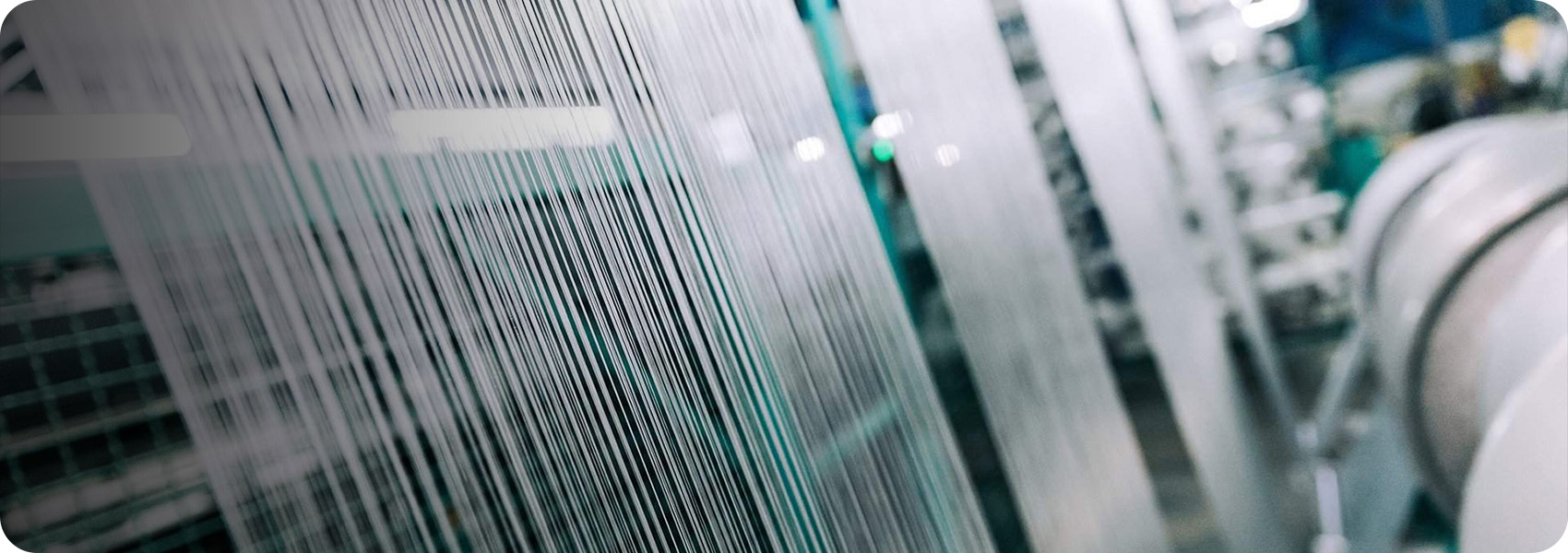
From yarn to fabric. At Xiangyi, we stitch quality into every seam, crafting sofa fabric that goes beyond decor—it embodies your home’s unique style.
PRODUCT

+86-18262539999(Meng Lin)