 English
 中文简体
中文简体
 عربى
عربى
Industry News
Home / News / Industry News / Dress Fabric Guide: Types, Selection Tips, and What to Check Before Buying
 By Admin
Content
Cut a dress pattern in the wrong fabric and no amount of tailoring can fix the drape. A fabric that is too stiff adds unwanted volume, while one that is too fluid can lose the silhouette completely. That is why the choice of dress fabric is the first construction decision, not a final detail.
This guide examines the dress fabric types that matter for garment factories, fashion brands, and production teams. It also explains what to verify before you place a bulk order, so the fabric you approve in a sample is the same fabric that reaches your cutting table.
Three properties define how a dress fabric behaves on the body and in production:
Beyond these, shrinkage, colorfastness, and seam slippage determine whether a fabric can survive cutting, sewing, and repeated wear. Fabric performance starts with fiber and yarn, not with the final finish.
A productive way to evaluate dress fabric is to separate fabrics by construction method and coloring process. The table below summarizes the categories that come up most often in garment production.
| Fabric type | Typical characteristics | Best suited for | Sourcing note |
|---|---|---|---|
| Polyester imitation linen | Breathable, texturized hand, crease-resistant | Summer dresses, shirt dresses, relaxed tailoring | Verify yarn denier and finish to control the hand feel. |
| Jacquard woven dress fabric | Pattern woven into structure, good dimensional stability | Occasion wear, structured dresses, skirts | Check weight and pattern repeat for cutting efficiency. |
| Masterbatch-dyed fabric | Color added at yarn extrusion, high batch-to-batch consistency | Solid colors, uniforms, seasonal basics | Confirm the color system and lightfastness before bulk. |
Natural linen has a desirable crisp hand and breathable structure, but it creases quickly and can be expensive to source in consistent quality. Polyester imitation linen reproduces the texture and casual look of linen while offering better wrinkle behavior. The key is to check the denier or thread count of the yarn, because a coarse construction can feel rougher than expected against the skin.
For brands that want the visual character of linen for summer dresses and relaxed tailoring, polyester imitation linen fabrics are available in dress-friendly weights that hold a crisp shape without the rigidity of a pure synthetic.
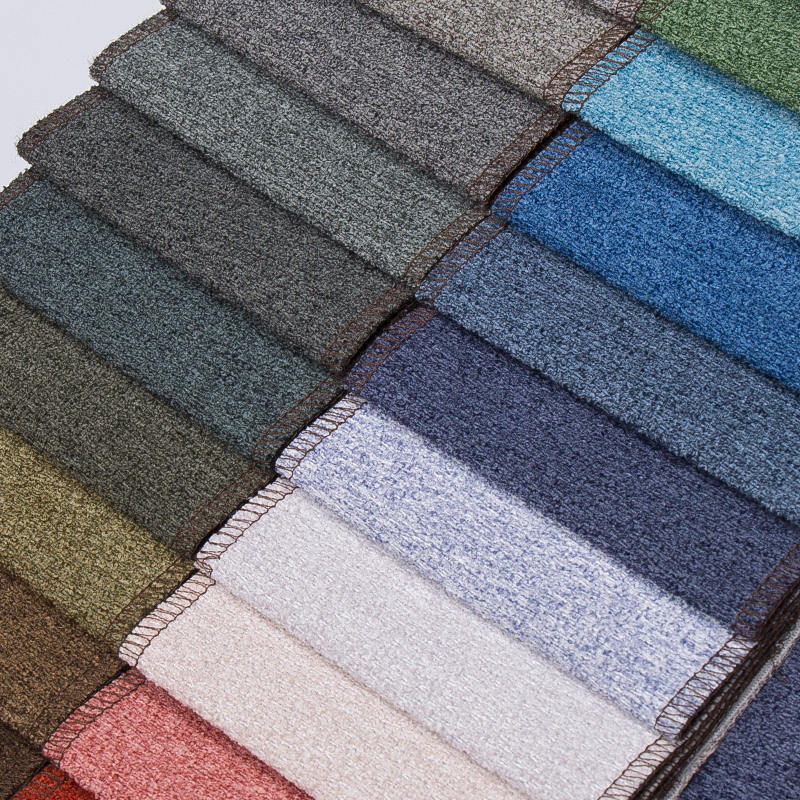
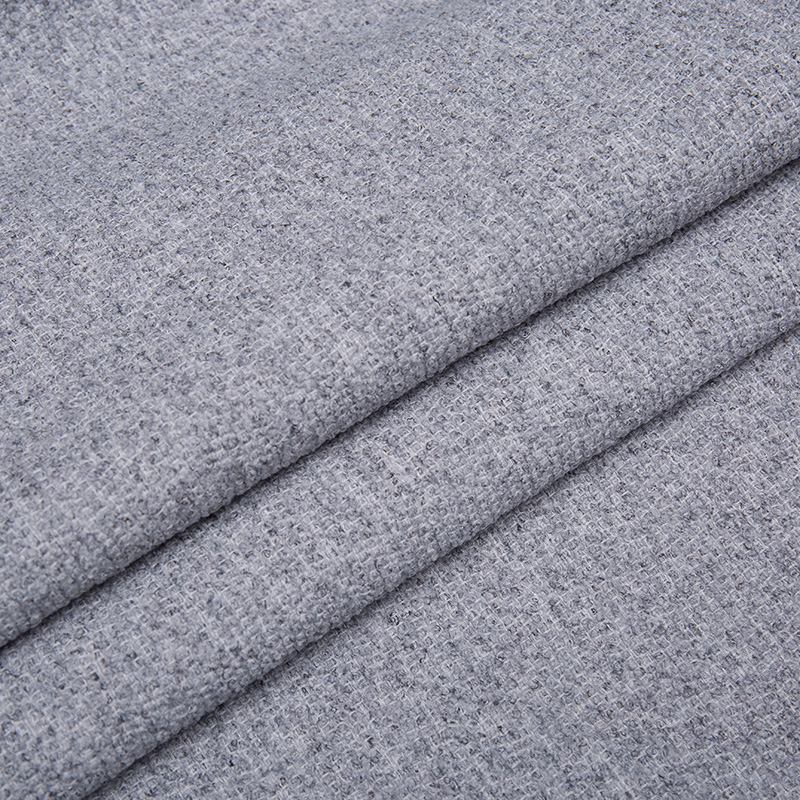 Polyester Imitation Linen Fabric Manufacturers, FactoryChina Polyester Imitation Linen Fabric Manufacturers, Wholesale Polyester Imitation Linen Sofa Fabric Factory, Suppliers, Xiangyi Custom ...View Product →
Jacquard dress fabric is woven on looms that control individual warp yarns to create pattern within the fabric structure. The result is a design that does not fade or peel because it is not printed on top of the cloth. For occasion wear, structured dresses, and skirts, jacquard gives a premium, dimensional effect with good shape retention.
When sourcing jacquard, specify the pattern repeat and fabric weight early. A large repeat can increase cutting waste, so the design needs to work with the planned panel layout. For more detail on selecting the right structure, see our dress jacquard fabric guide. If you are ready to compare constructions, our jacquard dress fabric options span both apparel and upholstery weights.
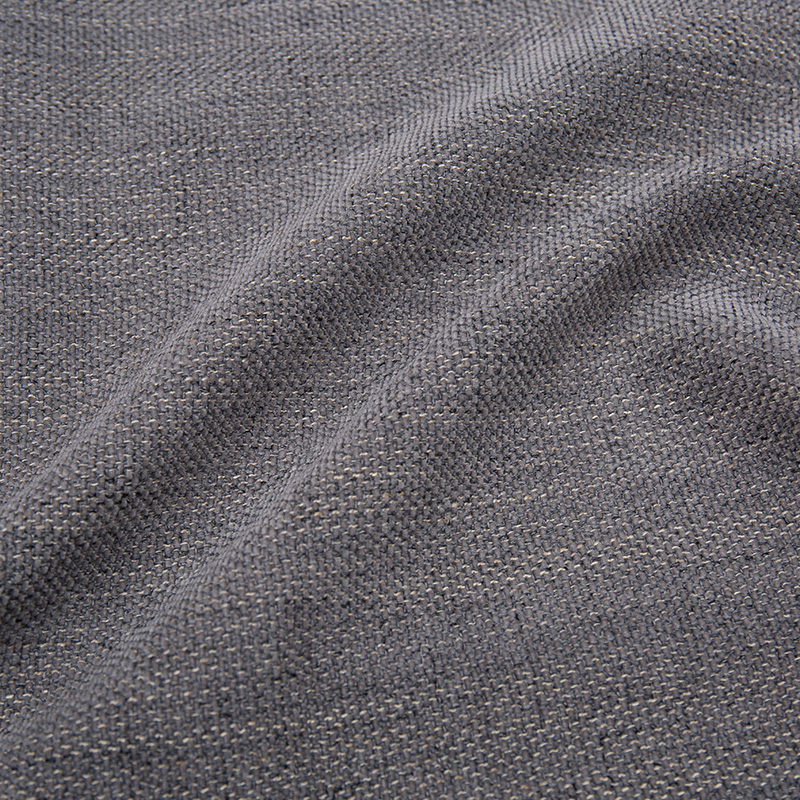
 Dress Jacquard Fabric Manufacturers, FactoryXiangyi Textile is China Dress Jacquard Fabric Manufacturers and Wholesale Jacquard Clothing Fabric Factory, Suppliers, we supply Custom ...View Product →
Solid colored dress fabric often creates shade matching problems, especially when a brand orders seasonal pieces over several months. Masterbatch dyeing adds pigment during yarn extrusion rather than after weaving, which gives a more uniform depth of color across the roll and across different rolls.
If your production plan calls for large volumes of solid colors, masterbatch fabric can reduce the risk of color variation between batches. Confirm the lightfastness and washfastness, because masterbatch performance depends on the pigment concentration and the base polyester quality.
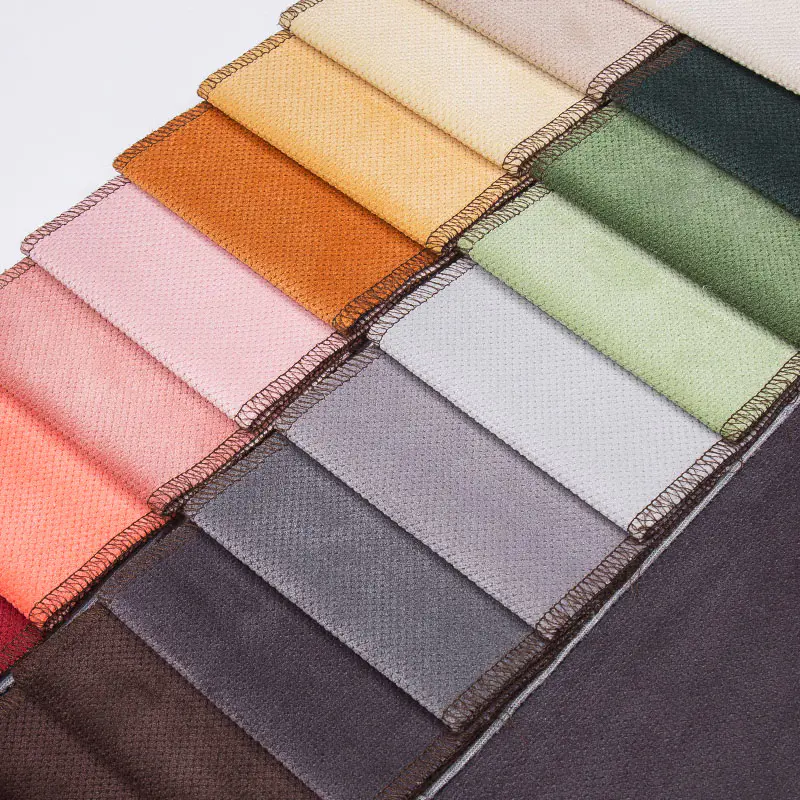
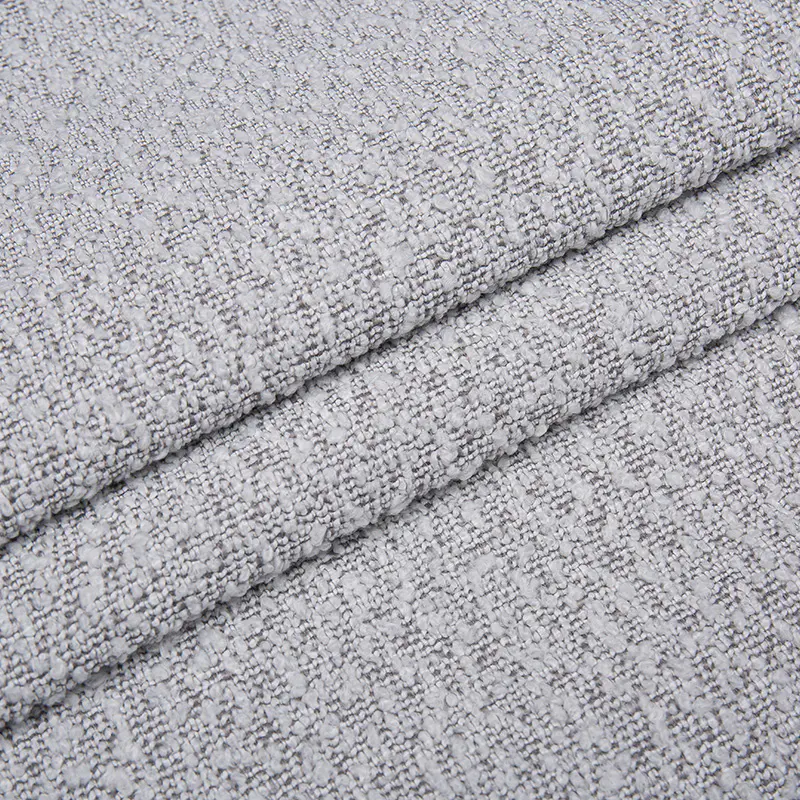 Color Masterbatch Fabric Manufacturers, FactoryAs China Color Masterbatch Fabric Manufacturers and Wholesale Color Masterbatch Woven Fabric Factory, Suppliers, Xiangyi offer Custom Col...View Product →
There is no single best fabric that works for every dress. The right choice is the one that matches the garment’s intended use, production method, and cost target.
Fabric for summer dresses should allow air flow and movement. Lightweight polyester imitation linen is a staple because it combines the breathable look of linen with low creasing. Weight between 120 and 160 GSM works well for shirt dresses and relaxed midis. Check the finish: a softener can improve the hand feel, but too much can reduce the crispness that gives a summer dress its shape.
For dresses that need to hold a defined shape, such as sheath dresses, skater dresses, or jacket-style dresses, look for a higher GSM and a tighter weave. Jacquard fabrics with their woven-in pattern are a strong choice. A structured jacquard above 180 GSM will support scanning and provide enough body for shaped seams. If the design requires stretch, ask for an elastane blend, but be aware that it changes the drape and the seam behavior.
A fabric sample that looks good in a swatch can behave differently after washing, cutting, and sewing. Before production, confirm the following points with your supplier.
Fabric quality is not decided by the loom alone. It starts with fiber choice, continues through yarn creation, and ends with dyeing and finishing. A factory that controls these steps can react quickly to performance issues. Jiangsu Xiangyi Textile Technology Group operates as a vertically integrated textile manufacturer with weaving, dyeing, and finishing under one group structure. That means dress fabric buyers can trace a problem back to a specific yarn or process rather than receiving a generic answer.
With more than 500,000 meters of fabric produced per day across the group, the company produces both sofa fabrics and garment fabrics. For dress fabric, the same discipline applies: controlled yarn count, even weave density, stable color, and careful finishing. If a style needs a custom construction, the group uses its own spinning and texturizing equipment to develop yarns rather than forcing a standard fabric onto the design.
Begin the sourcing process with a clear fabric specification, not just a photo or a swatch. Write down the garment silhouette, target weight, required stretch, and finish. Then request a sample from a mill that can produce the fabric at the scale you need. A good fabric sample will include a reference number, composition, weight, and wash care instructions.
For production buyers, the final choice often comes down to three issues: can the mill deliver a consistent shade, can it maintain the same hand feel in a bulk run, and can it fit the lead time? These are exactly the questions to ask before you compare prices. A low price that forces you to reapprove a second quality compromise is not a saving.
When you are ready to discuss a specific dress fabric project, request a quote with your GSM target and order volume. That gives the production team enough information to send relevant options and realistic lead times.

From yarn to fabric. At Xiangyi, we stitch quality into every seam, crafting sofa fabric that goes beyond decor—it embodies your home’s unique style.
PRODUCT

+86-18262539999(Meng Lin)