 English
 中文简体
中文简体
 عربى
عربى
Industry News
Home / News / Industry News / Color Masterbatch Woven Fabric: A Practical Sourcing Guide for Manufacturers
 By Admin
Content
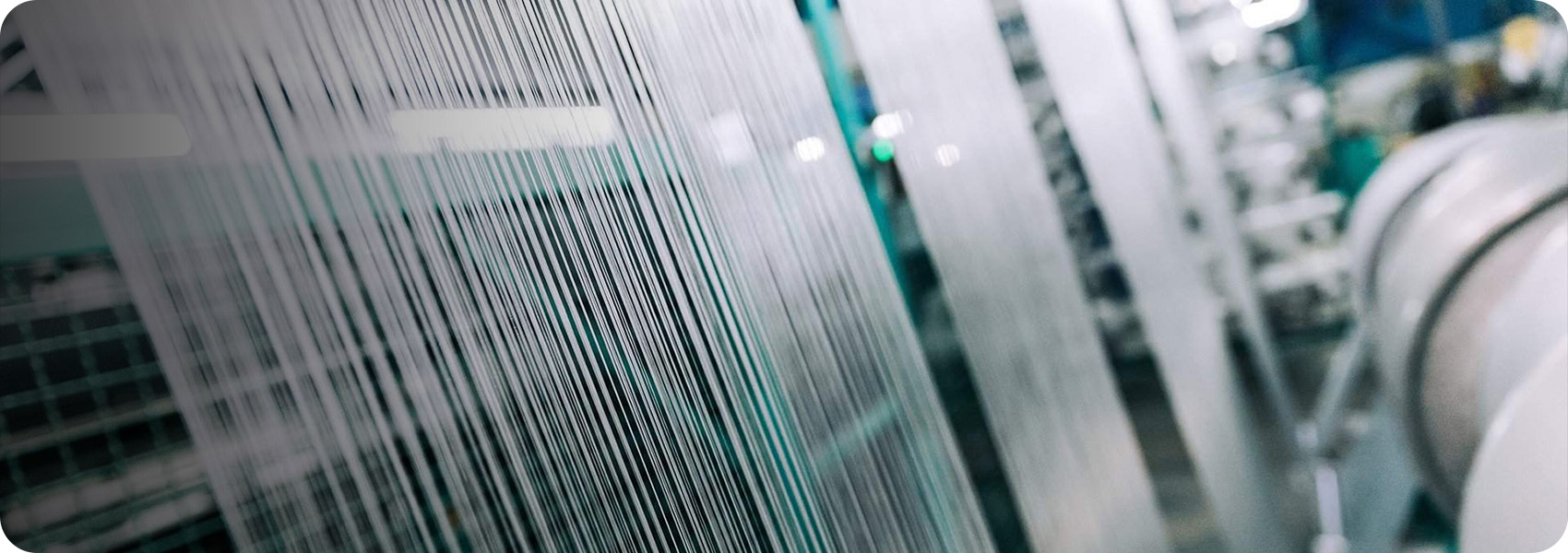
Ask a production manager who has switched to color masterbatch woven fabric why they changed, and the first answer is usually the same: color consistency. A sofa set can consume three separate rolls of fabric, and if the shade drifts half a step between rolls, the entire delivery may be rejected. Color masterbatch reduces that risk because the pigment is dispersed in a polymer carrier and added before the yarn or tape is extruded. The color becomes part of the polymer itself rather than a later chemical bath. In our weaving and finishing lines, masterbatch-colored fabrics show tighter batch-to-batch control and fewer shade complaints than piece-dyed goods.
Color masterbatch is a concentrated mixture of pigments, dispersants, and functional additives locked into a carrier resin. During yarn extrusion, the pellets are blended with the base polymer at a controlled let-down ratio, typically 1–5% for woven tape or filament. The carrier resin melts together with the base resin, releasing the pigment evenly so that every filament contains the same shade.
This mechanism creates a clear operational difference from traditional dyeing:
| Aspect | Color Masterbatch | Conventional Dyeing |
|---|---|---|
| Color addition point | During fiber or tape extrusion | After fabric formation |
| Batch consistency | Controlled by dosing and melt mixing | Affected by dyeing conditions and time |
| Surface feel | Minimal change to hand feel | Chemicals may alter texture |
| Color fastness | Good for most synthetic fibers | Depends on dye type and after-treatment |
| Best suited for | PP, PE, PET, and PA yarns and tapes | Natural fibers and piece-dye orders |
Masterbatch coloring is especially useful for 100% polypropylene woven bags, where post-weave dyeing is impractical. It is also increasingly used for polyester upholstery yarn, because the color sits inside the fiber instead of only on its surface. For a fabric that will see years of rubbing and sunlight, that internal color is a measurable advantage. In practice, this means a buyer can specify a light shade across a long production run and receive rolls with a measured Delta E below 1.5 instead of a visible shift between the beginning and end of the batch.
After confirming the base polymer and weaving system, masterbatch selection comes down to four checks.
The carrier resin should have a melting range similar to the base polymer. A polypropylene carrier works cleanly in PP tape; a carrier with a different melt flow can leave undispersed specks that become pinholes or weak points in the woven tape. Ask the supplier for a compatibility sheet and a small trial before approving bulk material.
Polyolefin tape extrusion usually runs between 220 and 260°C, while polyester filament extrusion can exceed 280°C. Pigments that survive one range may shift in another. If the final fabric will be used outdoors or near windows, request lightfastness data for the actual pigment system, not for a generic color chip.
Streaks and dark specks in woven fabric almost always trace back to poor dispersion. Good masterbatch should pass through melt filtration with a stable pressure rise and leave no agglomerates. Thin woven fabrics are less forgiving than heavy ones, so a supplier should be able to tell you the additive package and the maximum pigment load for the intended denier.
The most common defect in masterbatch woven fabric production is dosing error. When masterbatch is measured by volume instead of weight, pigment density differences cause the actual ratio to drift. A light grey fabric may show banding at 2.7% even when the target is 3%. On dark navy or black, the error is invisible; on light shades, the roll can end up unusable. Calibrated feeders and a written let-down ratio for each article are essential.
Melt temperature, screw speed, and draw ratio also affect the final color. If residence time changes, color yield changes. That is why a color masterbatch woven fabric specification should include melt temperature, dosing percentage, draw ratio, and line speed. A supplier who can set and record these parameters is a better partner than one who only supplies pellets. A trial on the actual weaving line is always better than a laboratory swatch because it tests the full melt path. We ask customers for the target shade, the polymer grade, and the fabric weight, and we set the process around those three inputs.
Color masterbatch woven fabric appears across more end uses than most buyers expect. Among the common ones:
Sofa programs often choose between masterbatch-dyed filament and piece-dyed fabric. Masterbatch-dyed filament holds color in the fiber core, so abrasion does not remove a surface layer of dye. That is why our color masterbatch woven fabric for upholstery starts with masterbatch at the yarn stage and records a color measurement with every batch. For outdoor products, an additional UV additive masterbatch can be introduced in the same carrier without changing the shade.
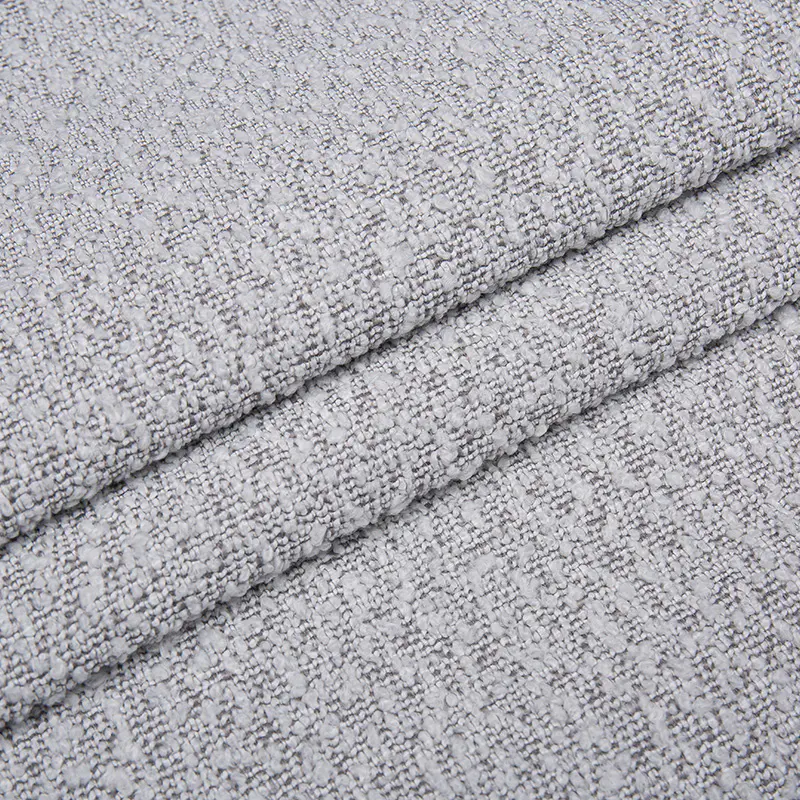 Color Masterbatch Fabric Manufacturers, FactoryAs China Color Masterbatch Fabric Manufacturers and Wholesale Color Masterbatch Woven Fabric Factory, Suppliers, Xiangyi offer Custom Col...View Product →
If you are comparing manufacturing routes, our technical overview of color masterbatch woven fabric explains how the process affects weaving and finishing decisions in more detail.
Before committing to a bulk order, resolve these six questions:
These questions may feel detailed, but they protect the buyer against the two most common failures in color masterbatch woven fabric: shade drift after a few months in stock and physical defects that only appear during weaving. A supplier that can answer them with documents is also more likely to hold the process stable during repeat orders. If you need a reference for your own weave construction, contact our team with the fabric width, density, and target shade.
Color masterbatch is not a universal substitute for dyeing, but for woven fabric produced from synthetic polymer, it is often the most predictable route to consistent color. It reduces variables in the dyehouse, improves reproducibility, and allows additives to be built into the yarn itself. The practical rule is simple: define the polymer, the extrusion window, and the final use, and then choose the carrier, pigment, and additive system from those facts. If a supplier asks the same questions, the fabric will probably do what you expect.

From yarn to fabric. At Xiangyi, we stitch quality into every seam, crafting sofa fabric that goes beyond decor—it embodies your home’s unique style.
PRODUCT

+86-18262539999(Meng Lin)