 English
 中文简体
中文简体
 عربى
عربى
Industry News
 By Admin
Content
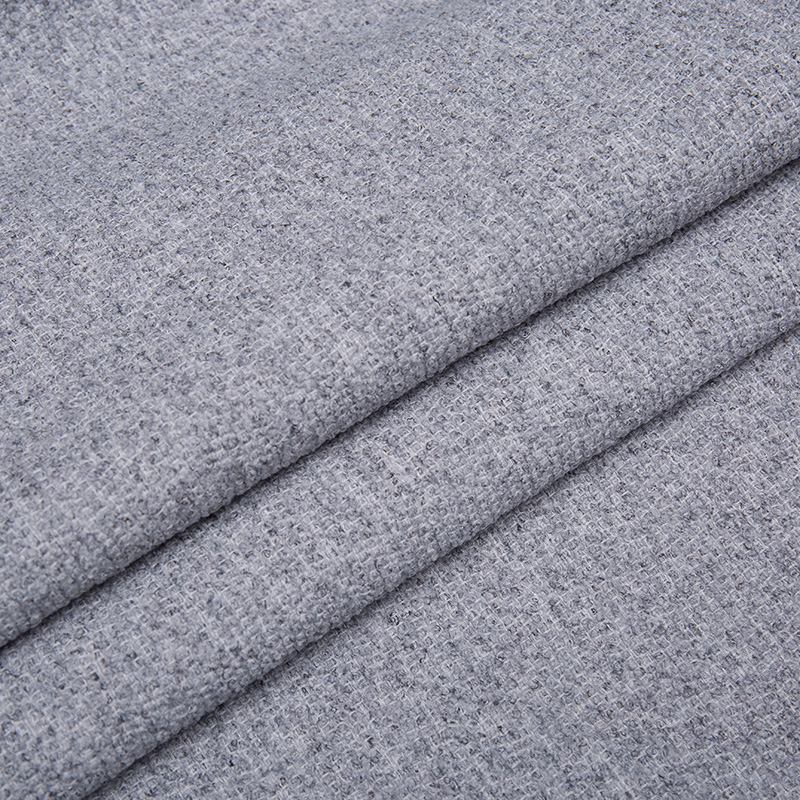
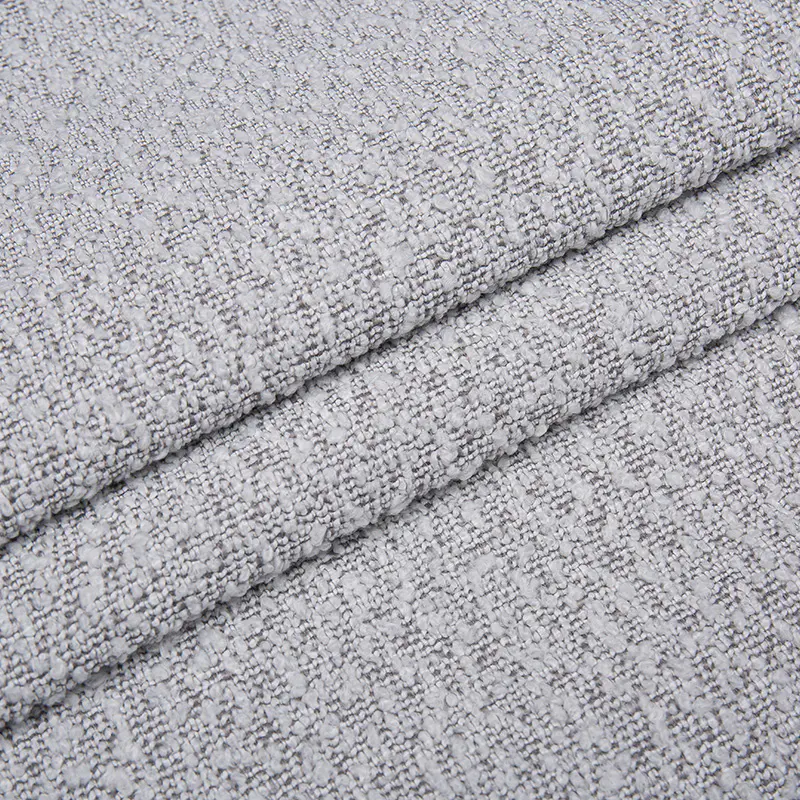
Chenille has been a staple in the textile industry for decades, and for good reason. Its name comes from the French word for "caterpillar," a reference to the fuzzy, textured appearance of its yarns. The fabric is constructed by wrapping short pile fibers around a twisted core yarn, which creates a distinctive raised surface that is soft to the touch and rich in visual depth. This structural characteristic is what makes chenille so uniquely suited to a wide range of end uses—from furniture upholstery to winter clothing.
As manufacturers who work with chenille daily, we see firsthand how versatile this material is across product categories. Understanding where chenille truly excels—and where it has limitations—helps buyers make smarter sourcing decisions and get the most value out of every order.
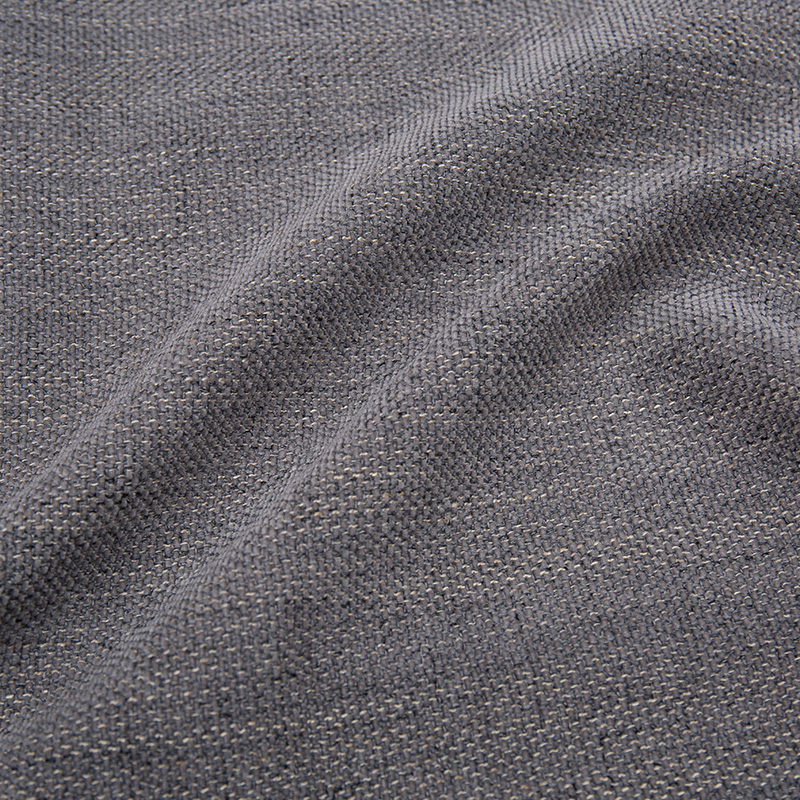
The most commercially significant use of chenille is in furniture upholstery, particularly sofas and armchairs. The dense pile structure creates a surface that feels soft against skin while offering enough body to hold its shape under regular use. For furniture manufacturers and interior designers, this combination of comfort and structure is difficult to replicate with other fabrics.
Chenille upholstery fabric is commonly rated using the Martindale abrasion test. High-quality chenille sofa fabric typically achieves 20,000 to 30,000 rubs or more, which is sufficient for residential use and many commercial settings. When woven more tightly with a higher yarn density, chenille can exceed 40,000 rubs—suitable for hospitality environments like hotel lobbies and waiting rooms.
In addition to durability, the fabric's visual richness adds a premium aesthetic to finished furniture. The way chenille pile catches and reflects light gives it a subtle sheen that elevates the appearance of any sofa or chair. This is why it remains popular in mid-to-high-end furniture lines.
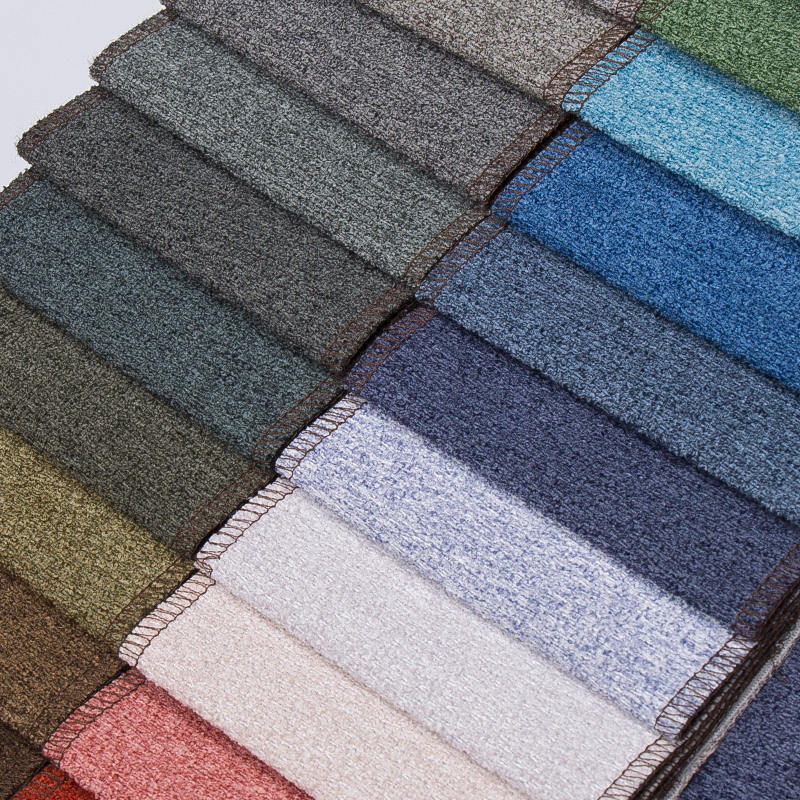
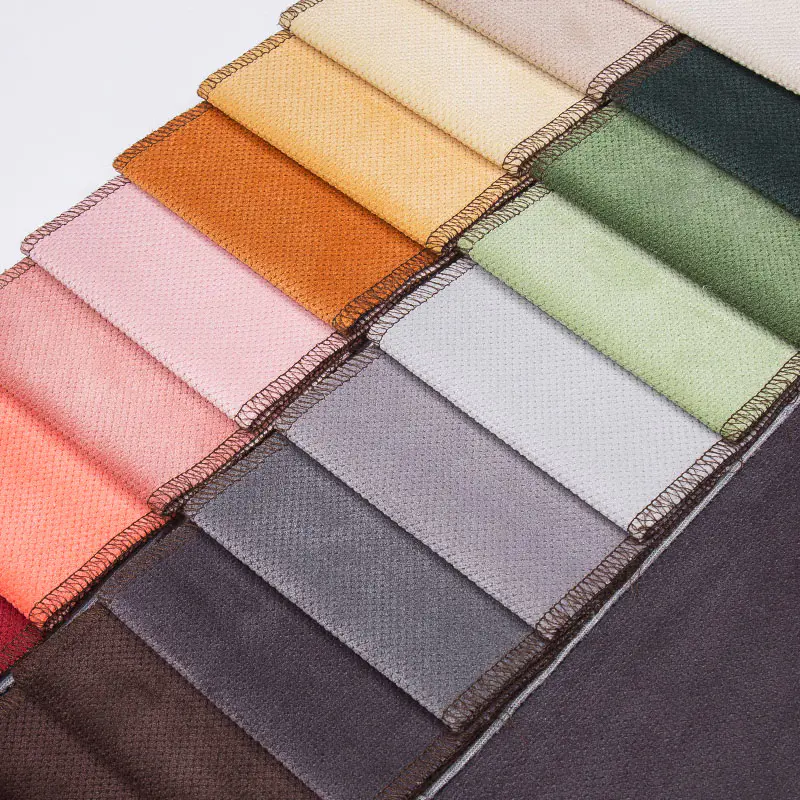
If you are sourcing fabric for furniture production, our chenille fabric for sofa upholstery is available in a wide range of colors, pile heights, and construction weights to match different product requirements.
While upholstery is the dominant market, chenille has a well-established presence in apparel as well. Its use in clothing is largely seasonal, concentrated in autumn and winter collections where warmth and tactile softness are selling points.
Compared to wool or cashmere, chenille is more affordable to produce at scale while still delivering a premium hand feel. Polyester-based chenille yarn is particularly cost-efficient and pill-resistant, making it a practical choice for mid-market apparel brands looking to offer a luxury-adjacent texture without a premium price point.
One practical limitation to note: chenille garments can be prone to shedding if the yarn is not properly heat-set during production. This is a manufacturing variable, not an inherent flaw of the material. Sourcing from experienced producers with quality control processes in place significantly reduces this risk.
Chenille extends well beyond the sofa into a broader category of home textiles. Its softness and insulating properties make it well-suited for items that people interact with closely and frequently.
| Product | Key Chenille Property Used | Typical Fiber Composition |
|---|---|---|
| Throw blankets | Warmth and soft texture | Polyester or acrylic |
| Cushion covers | Visual richness and tactile comfort | Cotton-polyester blend |
| Curtains and drapery | Weight and light-blocking density | Polyester or rayon blend |
| Bedding accessories | Softness and insulation | Cotton or bamboo-polyester |
| Bath mats and rugs | Absorbency and pile density | Cotton |
For home textile brands and private label manufacturers, chenille's ability to work across such a wide range of products means it can serve as a single fabric identity across an entire collection. A coordinated living room line, for example, can use the same or complementary chenille constructions for the sofa, cushions, throw, and curtains—creating visual cohesion without monotony.
To understand what chenille is good for, it helps to look at its measurable properties rather than just its aesthetic appeal. These are the characteristics that matter most to product developers and procurement managers.
The pile structure of chenille traps air between fibers, creating a natural thermal barrier. This makes it an effective insulating fabric in both clothing and home textiles. In cold-climate markets, chenille-upholstered furniture and chenille throws consistently outperform flat-woven alternatives in consumer comfort surveys. For brands targeting colder regions or winter collections, this is a measurable differentiator.
Chenille scores exceptionally well on tactile softness, largely because the pile fibers sit perpendicular to the core and lie flat under pressure, creating a smooth, cushioned feel rather than a scratchy one. Modern polyester chenille in particular has improved significantly in this regard—fiber fineness measured at 0.5 to 1.5 denier can produce a softness comparable to microfiber at a lower production cost.
The three-dimensional pile surface of chenille absorbs and reflects dye differently depending on the viewing angle, producing what the industry often calls "directional sheen." This effect makes colors appear richer and more complex than on flat fabrics. A single color of chenille can look several shades different depending on how the pile is oriented, which adds depth to finished products without additional embellishment.
Despite its density, chenille allows for moderate air circulation due to the gaps between yarn tufts. This makes it comfortable for extended contact—relevant for upholstery applications where a fabric that traps heat would become uncomfortable during prolonged sitting. In warmer climates, lighter-weight chenille constructions with lower pile density are commonly used to maintain comfort year-round.
No fabric is universally suitable, and honest guidance on limitations helps buyers avoid misapplication. Chenille has a few areas where alternative fabrics may serve better.
Understanding these boundaries allows product teams to select chenille confidently where it excels rather than stretching it into applications where performance will disappoint.
Not all chenille is the same. The fiber content, pile height, yarn count, and weave structure all significantly affect how the finished fabric performs. Here are the main variables buyers should specify when sourcing.
Polyester chenille is the most common choice for sofa and decorative textiles due to its colorfastness, low shrinkage, and cost efficiency. Cotton chenille offers a more natural feel and better breathability, preferred in apparel and bedding. Blends of polyester and cotton or rayon are used where both softness and durability matter.
Higher pile adds softness and visual depth but reduces abrasion resistance. For upholstery intended for daily use, a medium pile height (around 2–4mm) with high yarn density tends to provide the best balance of feel and longevity. For decorative applications like wall hangings or accent cushions, longer pile can be used without durability concerns.
Chenille for upholstery is typically supplied at widths of 140–150cm, with a fabric weight ranging from 280 to 450 g/m² depending on pile density. Lighter weights (under 300 g/m²) are more suitable for drapery and apparel. Confirming weight specifications upfront avoids mismatches between the fabric sample and bulk production.
We produce a broad range of performance and luxury chenille fabrics tailored for sofa manufacturing, home textiles, and apparel, with customization available on fiber composition, color, and construction weight.
For brands that include care instructions with their products, or retailers advising end consumers, the following guidance applies to most chenille fabric constructions.
Communicating these care requirements clearly to end consumers reduces returns and complaints, particularly for furniture brands where fabric durability expectations are high.
Given how much variation exists across chenille constructions, sourcing from a manufacturer with deep production capabilities matters more than it might with simpler fabrics. Here are the criteria that experienced procurement teams prioritize.
At Xiangyi, we operate as a vertically integrated textile group with dedicated production lines for chenille, backed by in-house quality testing and custom development support. If your project requires a specific chenille construction, we encourage you to reach out to our team with your specifications for a tailored recommendation.

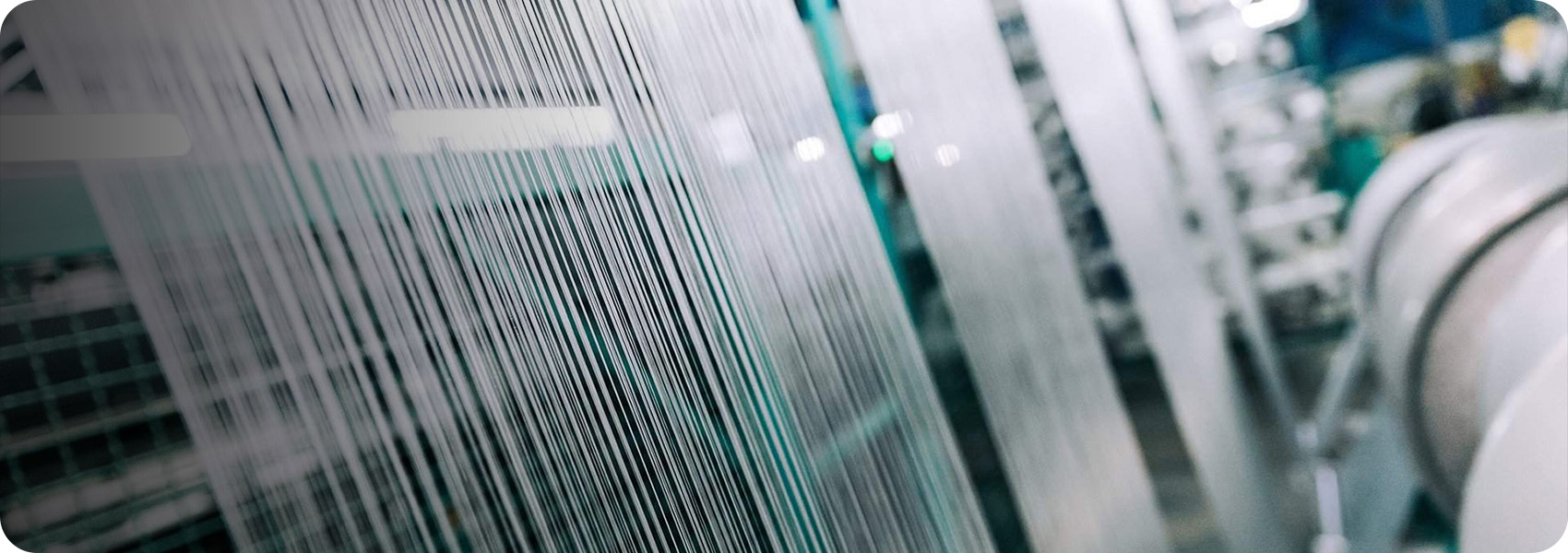
From yarn to fabric. At Xiangyi, we stitch quality into every seam, crafting sofa fabric that goes beyond decor—it embodies your home’s unique style.
PRODUCT

+86-18262539999(Meng Lin)