 English
 中文简体
中文简体
 عربى
عربى
Industry News
 By Admin
Content
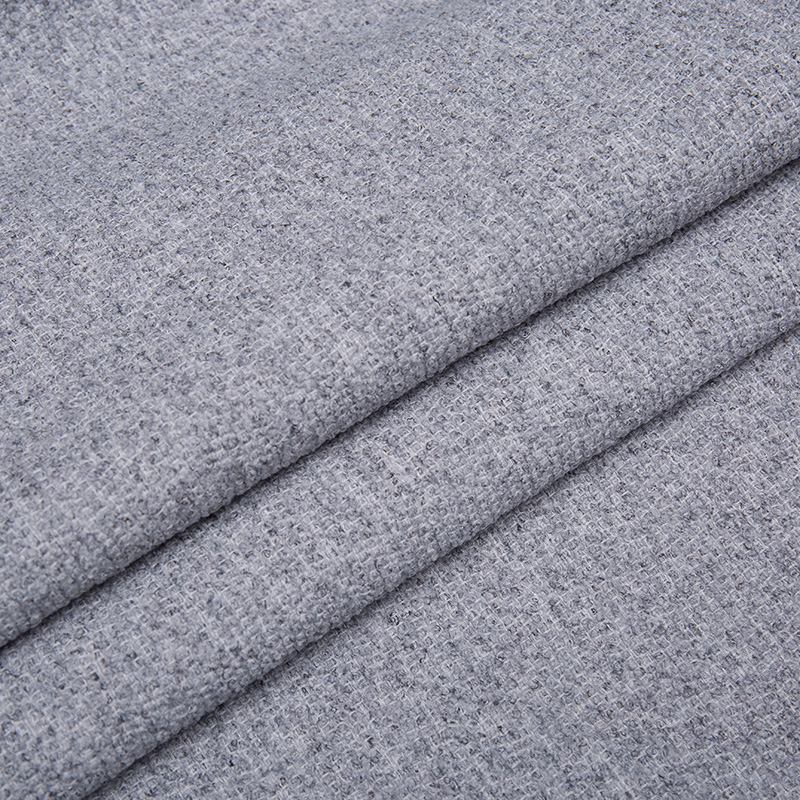
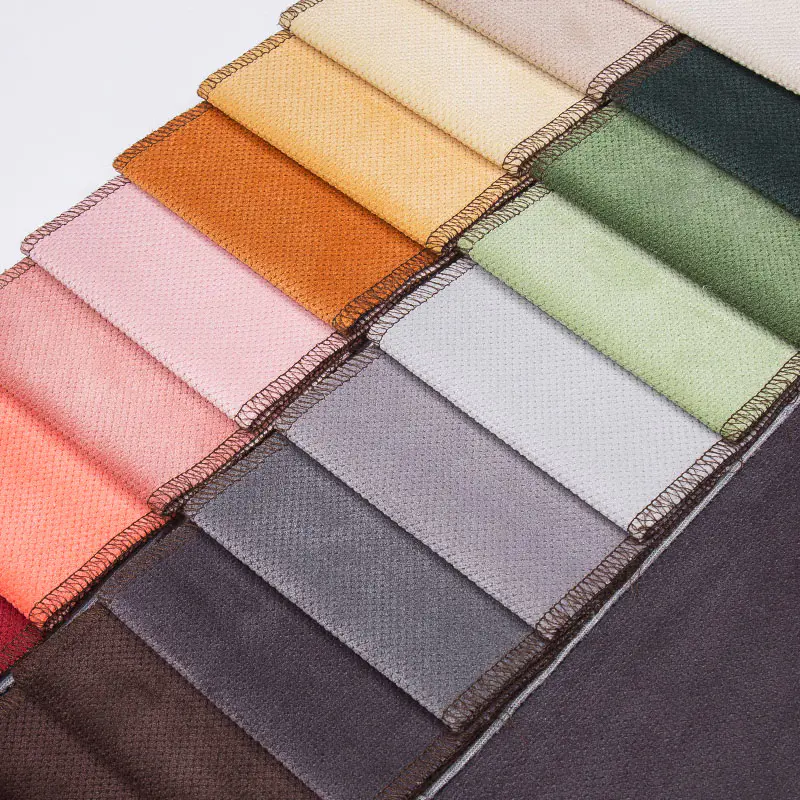
Brushed fabric is a textile that has been mechanically treated to raise fibers from its surface, creating a soft, napped finish that feels noticeably warmer and more comfortable against the skin than untreated cloth. The result is a fabric with a slightly fuzzy or velvety texture — without changing the underlying yarn structure or weave pattern.
This finish can be applied to a wide range of base fabrics, including cotton, polyester, fleece, flannel, and blended textiles. The degree of brushing — how many times the fabric passes through the process and the aggressiveness of the wire rollers — determines whether the final product is lightly softened or heavily napped.
It's worth distinguishing brushed fabric from other surface-treated textiles: velvet achieves its pile through weaving, while suede is a leather finish. Brushed fabric is defined specifically by a post-weave mechanical process that lifts existing fibers rather than adding new ones.
The brushing process — also called napping or raising — takes place after the fabric has been woven or knitted. The cloth is fed through a machine fitted with rotating cylinders covered in fine wire teeth or natural teasel burrs. As the fabric moves through, the teeth snag and lift individual fibers from the yarn, creating the characteristic soft surface nap.
Several variables in this stage directly affect the final hand feel and appearance:
After brushing, the fabric typically undergoes shearing — a trimming step that evens out the raised fibers to a consistent height, improving both appearance and performance. Some technical fabrics also receive an anti-pilling finish at this stage to extend durability.
The brushing process adapts across a wide range of base materials, each producing a distinct fabric with specific performance characteristics:
| Fabric Type | Base Material | Key Properties | Typical Applications |
|---|---|---|---|
| Brushed Cotton | 100% Cotton | Breathable, hypoallergenic, soft | Sleepwear, baby clothing, bedding |
| Brushed Polyester | 100% Polyester | Lightweight, quick-dry, durable | Sportswear, activewear, linings |
| Flannel | Cotton / Wool / Blend | Heavyweight, excellent insulation | Shirts, trousers, blankets |
| Brushed Fleece | Polyester Knit | Warm, moisture-wicking, pill-resistant | Jackets, hoodies, outdoor gear |
| Brushed Tricot | Nylon / Polyester Knit | Smooth face, soft back, stretch | Lingerie, athletic inner layers |
Beyond the obvious improvement in softness, brushing delivers measurable functional benefits that make it a preferred finishing technique across both apparel and home textile manufacturing.
The raised fiber surface traps small pockets of air between the nap and the skin. This dead-air layer acts as insulation, allowing brushed fabrics to retain heat more effectively than equivalent smooth-finished textiles — even at the same fabric weight. This makes brushing particularly valuable in cold-weather garments where warmth-to-weight ratio is critical.
In performance textiles, brushed polyester and brushed fleece fabrics leverage the increased surface area of the nap to wick moisture away from the skin more efficiently. The fibers transport sweat outward toward the fabric's face, where it can evaporate — a key reason why brushed fabrics are widely used in base layers for outdoor and athletic applications.
Counterintuitively, a properly brushed and sheared fabric can actually pill less than an unbrushed equivalent. The shearing step removes the loose, short fiber ends that are most prone to tangling into pills during wear and washing. Fabrics that receive both brushing and anti-pilling treatment consistently outperform untreated alternatives in durability testing over repeated wash cycles.
Selecting the correct brushed fabric requires balancing fiber content, nap density, and end-use requirements. The following criteria provide a practical starting framework:
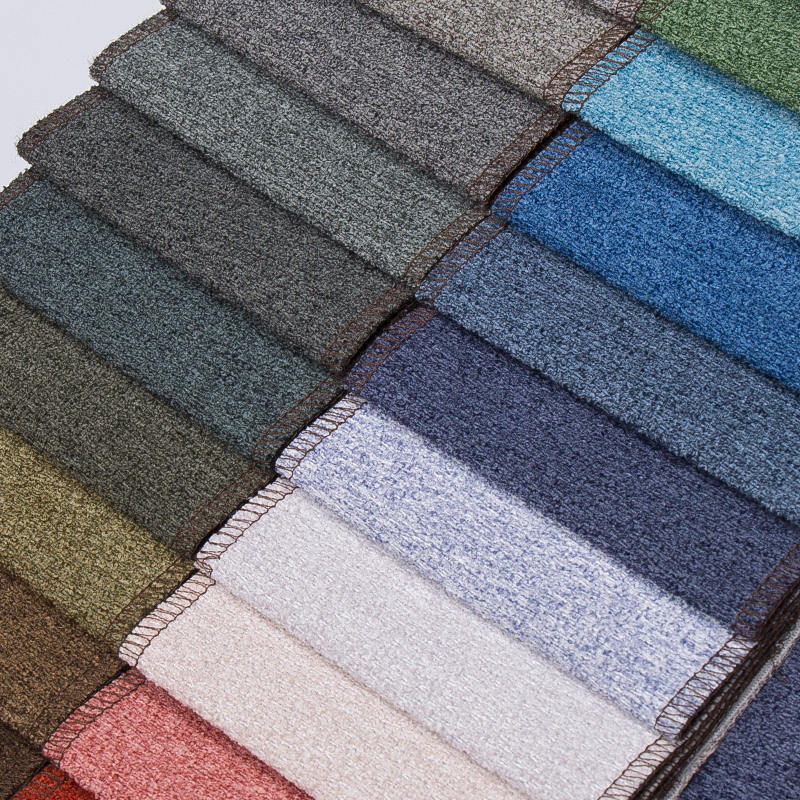
Requesting physical swatches and wash-test samples before placing bulk orders remains the most reliable way to verify that a brushed fabric's hand feel, color consistency, and durability align with specification requirements.

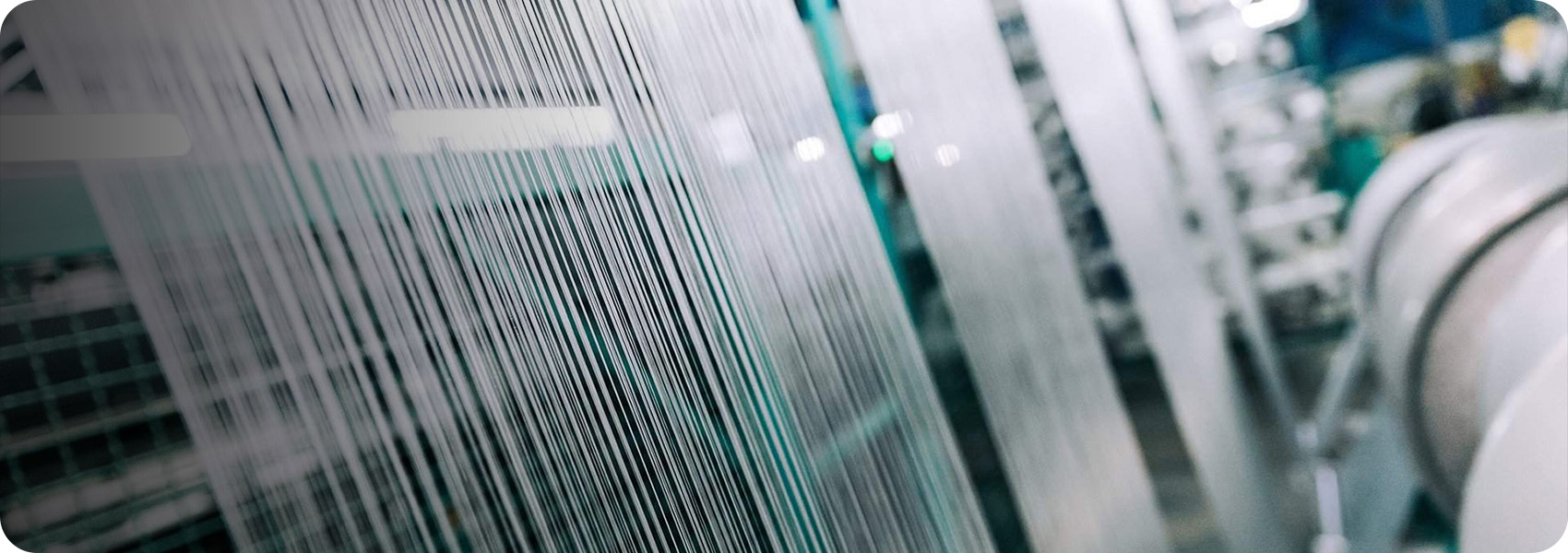
From yarn to fabric. At Xiangyi, we stitch quality into every seam, crafting sofa fabric that goes beyond decor—it embodies your home’s unique style.
PRODUCT

+86-18262539999(Meng Lin)