 English
 中文简体
中文简体
 عربى
عربى
Industry News
 By Admin
Content
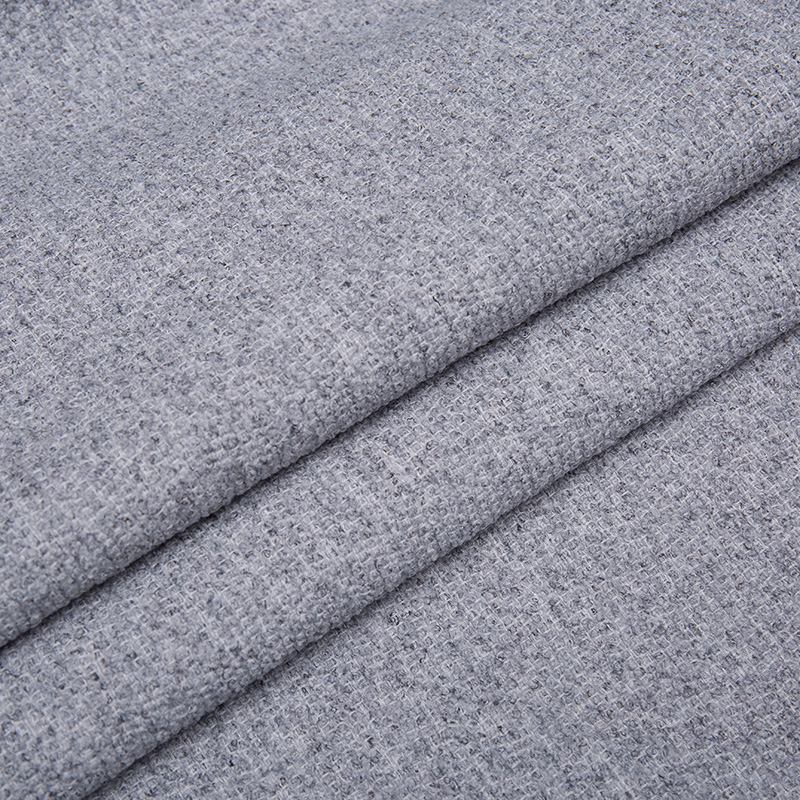
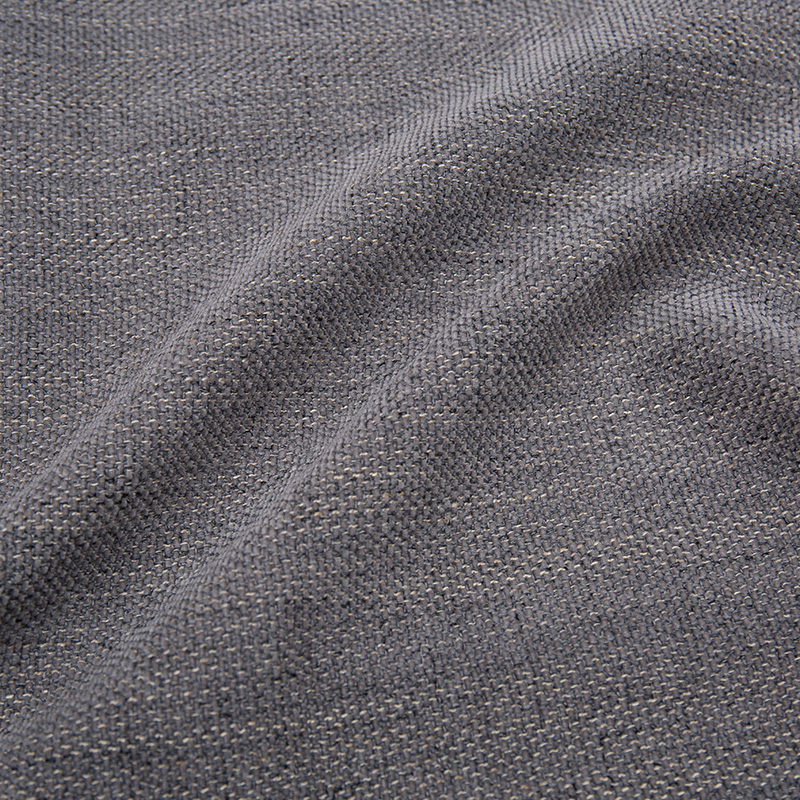
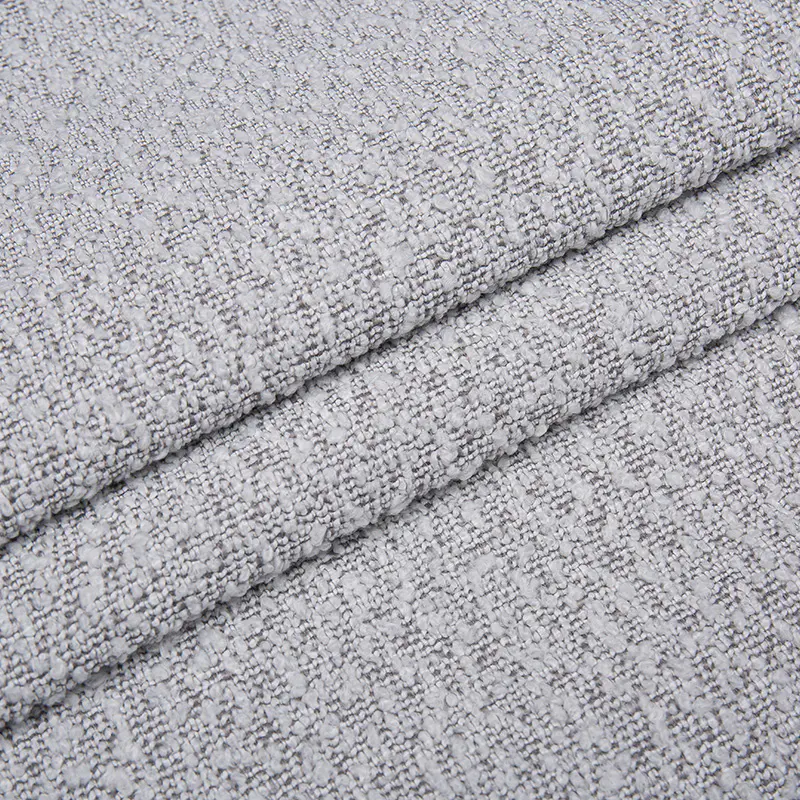
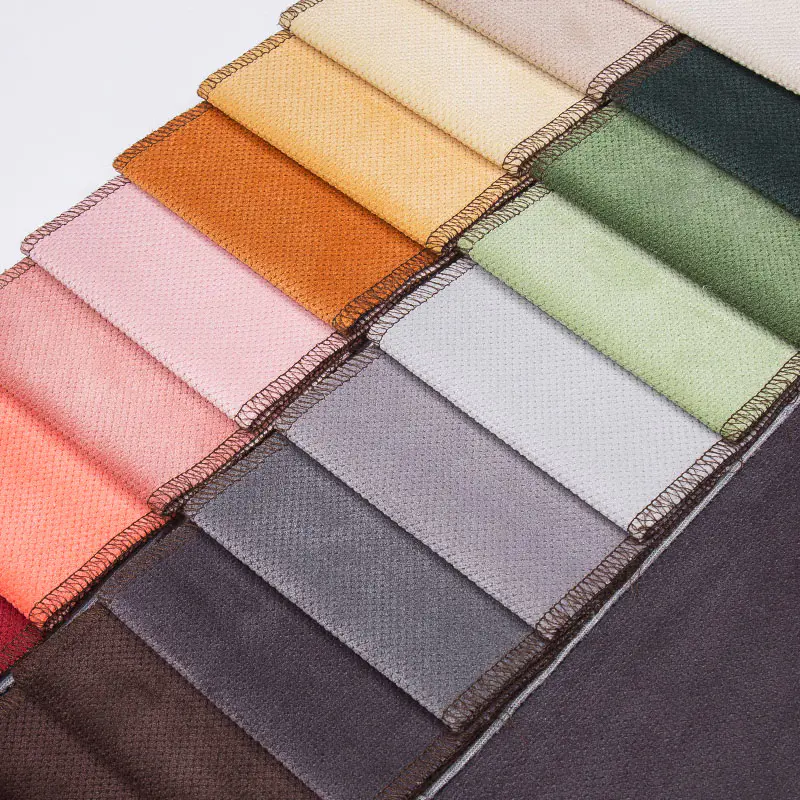
Chenille fabric is a textured textile characterized by its soft, fuzzy pile that creates a distinctive caterpillar-like appearance. The name "chenille" comes from the French word for caterpillar, aptly describing the fabric's unique raised, velvety surface. This material is created by weaving short lengths of yarn between two core yarns, then twisting them together to produce the characteristic tufted pile that stands out perpendicular to the fabric's surface.
The fabric gained popularity in the 18th century and has since become a staple in upholstery, home décor, and fashion applications. Chenille can be manufactured from various fibers including cotton, polyester, rayon, or blended materials, each offering different performance characteristics and price points.
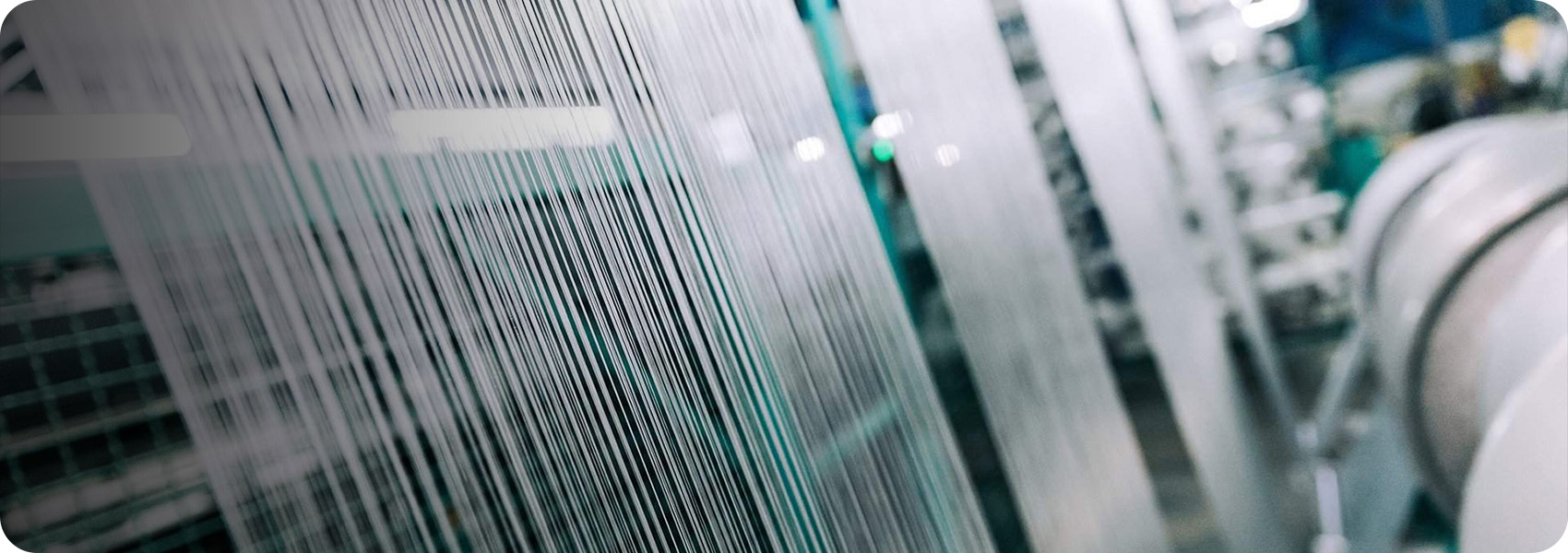
The production of chenille fabric involves a specialized weaving technique that sets it apart from other textiles. Understanding this process helps explain the fabric's unique properties and why it commands certain price points in the market.
The chenille manufacturing process follows these key steps:
Modern manufacturers typically produce chenille at rates of 50-100 meters per hour, depending on the complexity of the pattern and the type of machinery used.
Chenille fabric possesses several distinctive features that make it suitable for specific applications while presenting certain maintenance considerations.
| Property | Rating | Details |
|---|---|---|
| Softness | Excellent | Luxuriously soft, plush texture |
| Durability | Moderate to Good | 15,000-25,000 double rubs |
| Moisture Absorption | High (cotton) | Varies by fiber content |
| Ease of Cleaning | Moderate | Requires careful maintenance |
| Appearance Retention | Moderate | Prone to pile crushing |
The fabric's durability rating of 15,000-25,000 double rubs makes it suitable for moderate-use residential furniture, though it typically falls short of commercial-grade requirements that demand 30,000+ double rubs.
Chenille's unique texture and aesthetic appeal make it popular across various product categories, though its performance characteristics guide appropriate usage.
Industry data shows that approximately 65% of chenille production goes to upholstery applications, with the remaining 35% split between apparel, home textiles, and craft materials.
Chenille offers several compelling benefits that explain its enduring popularity in home décor and fashion markets.
Despite its appealing qualities, chenille presents several challenges that buyers should understand before purchasing.
Consumer reports indicate that approximately 40% of chenille upholstery complaints relate to pile crushing and appearance changes within the first two years of use.
Proper care extends the life and appearance of chenille fabrics, though they require more attention than many alternative upholstery materials.
When addressing spills or stains:
Professional cleaning every 12-18 months is recommended for upholstered chenille furniture. Specify dry cleaning or low-moisture methods, as traditional steam cleaning can damage the pile structure and cause shrinkage. Professional cleaning costs typically range from $75-$200 per furniture piece, depending on size and local market rates.
Understanding how chenille compares to alternative fabrics helps consumers make informed purchasing decisions based on their specific needs and priorities.
| Fabric | Durability | Softness | Maintenance | Price Range |
|---|---|---|---|---|
| Chenille | Moderate | Excellent | High | $15-$45/yard |
| Velvet | Moderate-High | Excellent | High | $25-$80/yard |
| Microfiber | High | Good | Low | $10-$30/yard |
| Linen | High | Moderate | Moderate | $20-$60/yard |
| Cotton Canvas | Very High | Moderate | Low | $8-$25/yard |
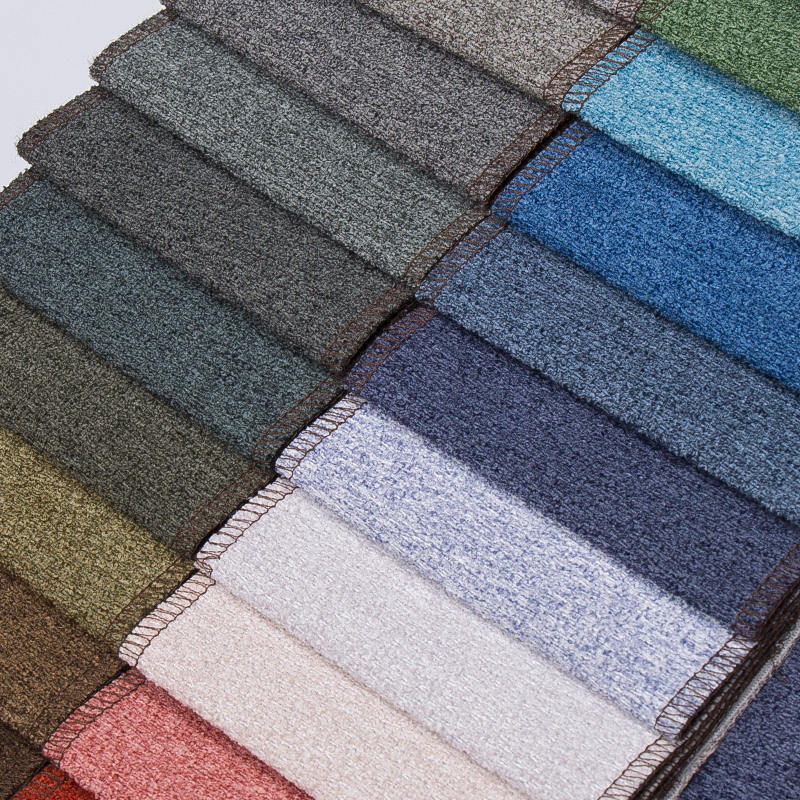
Not all chenille fabrics offer the same performance or longevity. These quality indicators help identify superior products that will provide better long-term satisfaction.
When evaluating chenille samples:
Maximizing satisfaction with chenille products requires matching the fabric's characteristics to appropriate applications and usage patterns.
Studies show that chenille furniture in low-traffic settings maintains its appearance 3-4 times longer than identical pieces in high-use areas, making placement decisions critical to long-term satisfaction.

From yarn to fabric. At Xiangyi, we stitch quality into every seam, crafting sofa fabric that goes beyond decor—it embodies your home’s unique style.
PRODUCT

+86-18262539999(Meng Lin)