 English
 中文简体
中文简体
 عربى
عربى
Industry News
Home / News / Industry News / The Complete Guide to Combining Sofa Fabrics for Style, Comfort, and Durability
 By Admin
Content
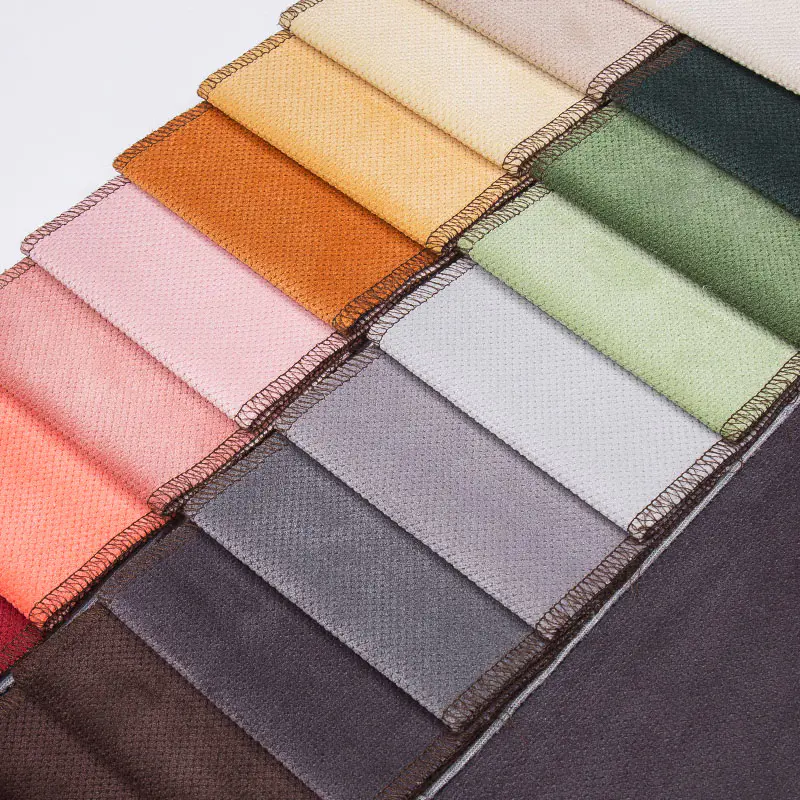
Combining sofa fabric is no longer just a designer trick reserved for luxury interiors. Homeowners now use mixed upholstery fabric to create visual depth, improve durability, and make sofas more functional for everyday living. By blending textures like velvet, linen, microfiber, or leather with performance fabrics, you can achieve a balance between comfort and longevity while elevating your living space.
Instead of relying on a single upholstery material, fabric mixing allows specific areas of the sofa to perform better under stress. Seat cushions can be reinforced with stain-resistant fabric, while armrests may feature leather or tightly woven textiles that resist wear. The result is a sofa that looks custom-designed and lasts longer.
Before combining sofa fabrics, it’s essential to understand how different materials perform. Each upholstery fabric brings its own texture, durability level, and maintenance requirements.
By selecting complementary upholstery fabrics, you prevent excessive wear in high-contact areas while maintaining aesthetic appeal across the entire sofa.
Texture plays a major role in how your sofa looks and feels. Combining sofa fabric with contrasting textures creates dimension and prevents flat or dull design outcomes.
Velvet cushions paired with tightly woven performance upholstery create a cozy but durable seating experience. Smooth fabrics highlight plush textures without overpowering them.
Leather arm panels paired with woven sofa fabric provide durability and a tactile contrast. This combination is popular in modern and industrial interiors.
When combining sofa fabrics, color harmony ensures your design looks intentional rather than chaotic. Sticking to a defined palette helps different textures blend seamlessly.
For example, pairing charcoal microfiber seating with light gray linen sides creates contrast without clashing. Warm leather accents also complement cool fabric tones beautifully.
Not all upholstery fabric handles friction and weight equally. Strategic placement extends the lifespan of your sofa while preserving comfort.
| Sofa Area | Best Fabric Choice | Reason |
| Seat cushions | Microfiber or performance fabric | High wear resistance |
| Armrests | Leather or tightly woven fabric | Easy cleaning |
| Back cushions | Velvet or cotton blend | Comfort-focused |
This approach ensures your sofa upholstery remains visually appealing while withstanding daily use.
Performance upholstery fabric has become essential for modern homes. These fabrics resist stains, moisture, and fading, making them perfect for blending with decorative materials.
Combining performance fabric on seating surfaces with decorative velvet or patterned upholstery on sides creates a stylish yet family-friendly sofa. This strategy is especially helpful for homes with pets or frequent guests.
Certain sofa fabric combinations have proven both visually appealing and practical over time.
These combinations deliver visual interest while maintaining comfort and easy maintenance.
Different upholstery fabrics require different cleaning approaches. When combining sofa fabric, maintenance planning becomes even more important.
Following fabric-specific care instructions ensures each material retains its color, texture, and durability.
While combining sofa fabric offers flexibility, poor choices can make a sofa feel disjointed or uncomfortable.
Keeping combinations simple and purposeful creates a polished and long-lasting sofa design.
Combining sofa fabric is one of the smartest ways to customize comfort, durability, and visual appeal in a single piece of furniture. By blending upholstery fabric types thoughtfully, you protect high-use areas while adding texture and color variation that elevates your interior design.
Whether pairing leather with microfiber, velvet with performance fabric, or patterned upholstery with neutral bases, strategic combinations create sofas that look better, last longer, and adapt to real-life living.

From yarn to fabric. At Xiangyi, we stitch quality into every seam, crafting sofa fabric that goes beyond decor—it embodies your home’s unique style.
PRODUCT

+86-18262539999(Meng Lin)