 English
 中文简体
中文简体
 عربى
عربى
Industry News
Home / News / Industry News / Velvet Definition: Pile Structure, Fibers and Upholstery Specs Explained
 By Admin
Content
Drag a hand across velvet in one direction and the color deepens; pull it back and the same panel looks pale and flat. That flip is the nap of an upright cut pile catching light at two different angles, and it is the fastest way to tell woven velvet from a printed imitation.
The definition of velvet matters well beyond a dictionary line. Upholstery buyers, apparel designers and interior specifiers all lean on the same four structural facts: how the pile is raised, how tall it stands, which fiber it is made from, and whether the pile is cut or left as loops. Get those four right and the rest, from price per meter to care code to two year wear, becomes far easier to judge.
Velvet is a woven fabric with a short, dense, evenly cut pile that stands upright from a firm ground weave, which gives it a soft hand and a deep, light absorbing surface.
Standard dictionaries describe it in nearly the same words, usually noting a clothing and upholstery fabric marked by a short, soft, dense warp pile. The word itself runs through Old French velu, meaning shaggy or hairy, back to Latin villus, a tuft of hair. Nothing in that history mentions silk, which is worth remembering: silk made velvet famous, but it never defined it.
Four structural traits separate velvet from every other soft fabric on a sample table.
Velvet is woven by raising a second set of warp threads over a rod or wire to form loops above the ground cloth, then cutting those loops to a uniform height before the fabric leaves the loom. Take the cut away and the result is velours; keep it and the surface stays matte and firm.
Some looms skip the rod and use a double cloth construction instead: two fabrics are woven face to face, joined by pile threads that pass between them, and a blade separates the panels afterwards. That is why velvet is often called a double cloth, and why goods from a wide loom can lean slightly differently from narrow loom yardage.
| Pile family | Structure | Typical fiber | Best known for |
| Cut warp velvet | Upright warp pile, cut | Silk, viscose, polyester | Deep sheen and fluid drape |
| Velours | Warp pile left as loops | Cotton, viscose | Firm matte surface, longer wear |
| Velveteen | Weft pile, short and cut | Cotton and blends | Garments and childrenswear |
| Velour | Knit or woven cut pile | Cotton, polyester | Stretch and casual seating |
| Panne and crushed | Pile pressed or flattened | Viscose, silk blends | Decorative, low traffic use |
Cut pile is the family name for any fabric whose loops have been sheared open, and velvet sits inside that family alongside upholstery and apparel cloth built the same way.
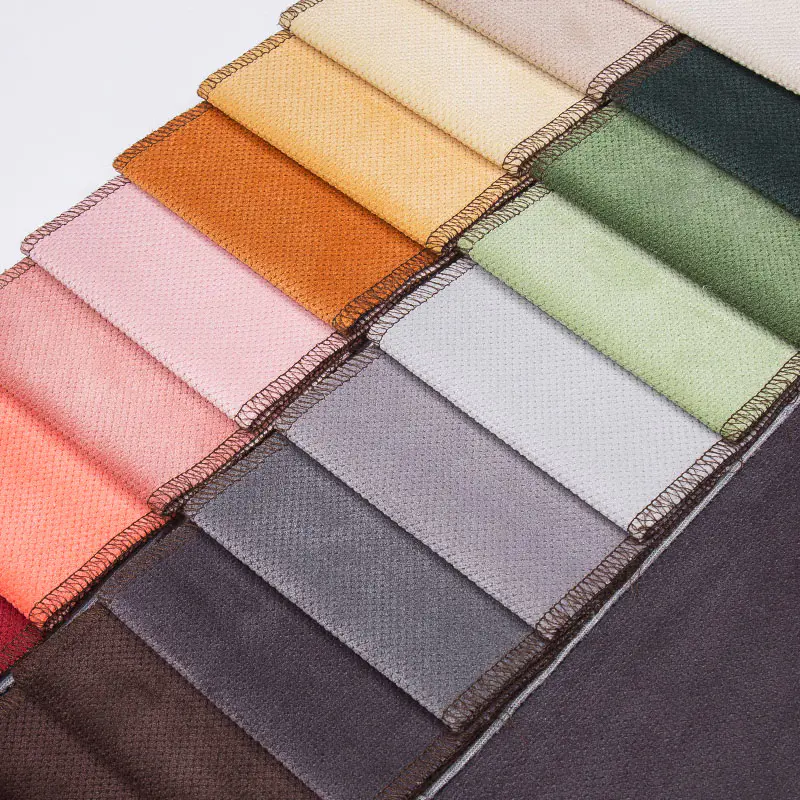 Cut Pile Fabric ManufacturersCut pile fabric is a textile fabric made through a special processing technique. It involves a pile-cutting treatment on the surface of the base fabric (such as knitte...View Product →
Velvet, chenille, cut pile and brushed fabric all feel soft, but they arrive there by different routes: velvet lifts an upright cut pile from a dense ground, chenille builds the fluff into the yarn itself, cut pile simply describes any fabric whose loops have been sheared, and brushed fabric raises fibers from an otherwise flat weave.
Upright cut or looped pile. Strong directional sheen, nap that can crush, and the highest visual impact per meter in the group.
Fuzzy yarn with fibers trapped in the core. Softer, rounder and more matte, with better recovery in busy rooms.
Flat weave raised by wire brushes. Shortest pile, lowest cost, and more fiber shedding in the first months.
The difference shows up in daily use. A velvet panel marks where a hand has rested; a chenille panel recovers its appearance faster; a brushed panel feels warm but pills where arms and heads rub. Buyers comparing pile materials often find that chenille holds its appearance longer in family rooms, while velvet suits accent pieces that are seen more than sat on.
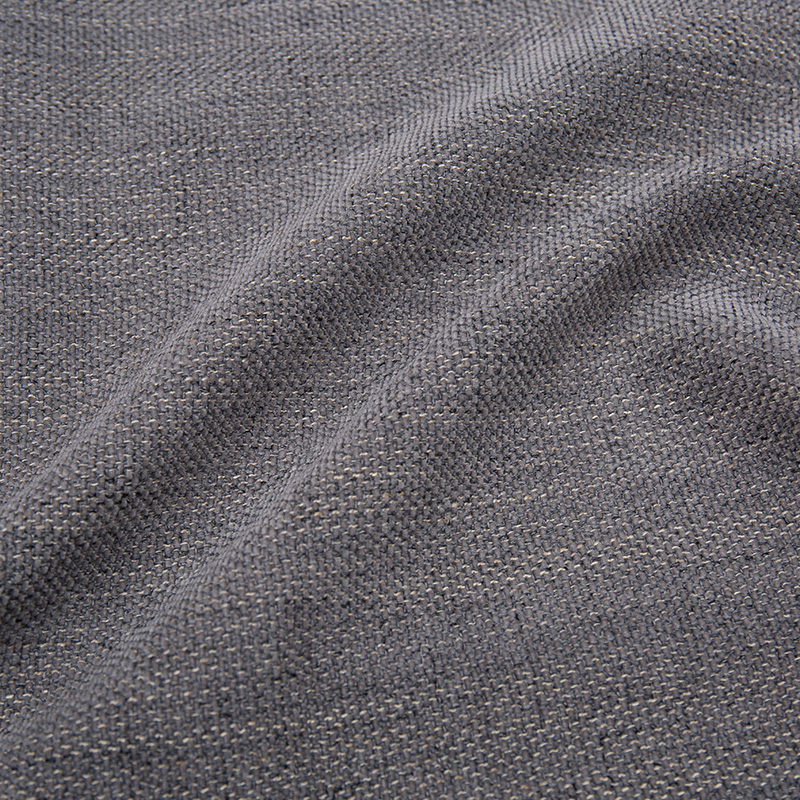 Performance Chenille Fabric ManufacturersChenille fabric has a unique fiber structure and a soft hand feel. The characteristics of chenille fabric include:View Product →
Fiber choice changes velvet's sheen, drape, abrasion life and cost more than any other decision, because the pile carries all four properties at once.
| Fiber | Sheen | Drape | Abrasion | Upholstery fit |
| Silk | Highest and deepest | Excellent | Low | Decorative pieces only |
| Viscose and rayon | High | Very good | Low to medium | Light residential use |
| Cotton | Low and matte | Moderate | Good | Family rooms, velveteen |
| Polyester | Medium to high | Moderate | Very good | Contract and high traffic |
| Wool | Low | Good | Good | Traditional upholstery |
Polyester and viscose now dominate commercial velvet because they hold pile shape and dye evenly batch after batch. Silk still sets the benchmark for sheen and remains the most expensive option by a wide margin, which is why it usually appears in cushions and drapery rather than seating.
As an adjective, velvet means smooth, soft and rich to the senses, and the word has carried that meaning into places where no fabric appears at all.
Softness does not require a velvet pile, though. Brushed finishing raises a fine fiber layer from an already woven surface, which delivers a comparable hand at a lower cost and with a shorter, harder wearing pile.
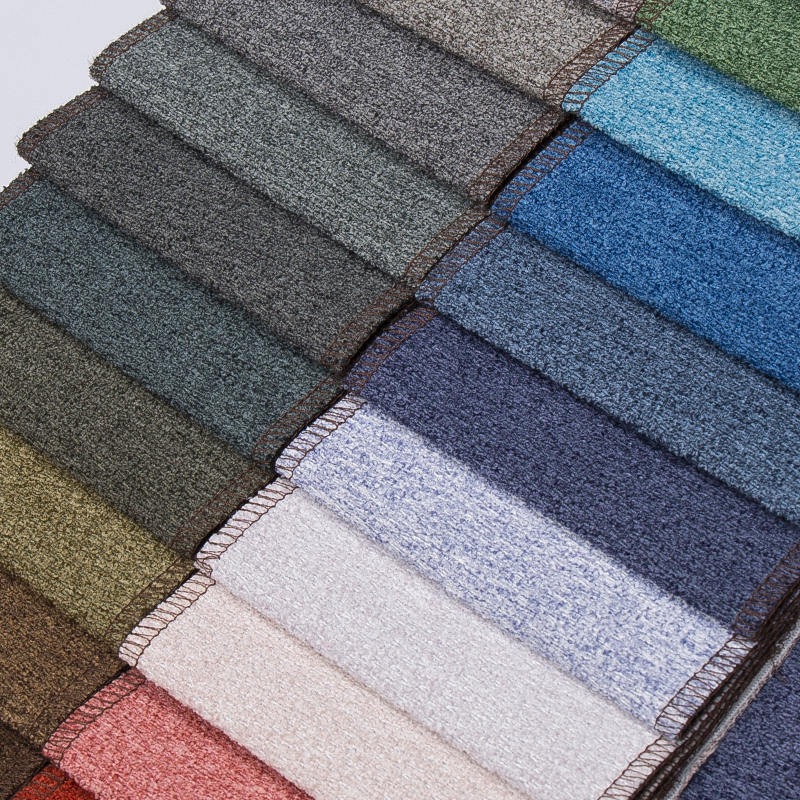 Brushed Sofa Fabric ManufacturersThe surface of brushed fabric is treated with friction or brushing to form a layer of short and soft fluff. The characteristics of brushed fabric include:View Product →
For upholstery, pile height and abrasion performance decide whether velvet survives a sofa, and both belong in the purchase order rather than in a hand feel sample.
| Specification | Practical range | Why it matters |
| Pile height | 0.5 to 2 mm | Taller pile crushes faster under seated weight |
| Abrasion | 25,000 Martindale up for homes, 40,000 up for contract | Predicts how the surface wears at contact points |
| Pile bond | No fiber pull on a tape test | Loose tufts bald early and cannot be repaired |
| Colorfastness | Grade 4 or better to light and rubbing | Nap shows fading unevenly across a panel |
| Cleaning | Tested method and pile direction noted | Wrong cleaning flattens the nap permanently |
Pile crush is the failure buyers complain about most, and it usually starts in the yarn. Higher twist in the pile yarn, denser ground picks and a slightly shorter pile all resist flattening better than a soft, low twist pile that feels wonderful in a showroom. Mills that spin and twist their own pile yarn can tune this before the greige fabric is ever woven, which is one practical advantage of sourcing from a vertically integrated textile mill.
No. Silk velvet is the historic and most expensive version, but modern velvet is woven from cotton, viscose, polyester, wool, nylon and blends. Polyester and viscose dominate upholstery and apparel today because they hold pile shape well and cost far less than silk.
Velvet is normally a warp pile fabric, while velveteen is a weft pile fabric with a shorter, denser pile. Velveteen is almost always cotton or a cotton blend, shows less sheen, and wears longer in garments and childrenswear.
Yes, but the specification has to be right. Look for a pile under two millimeters, 25,000 Martindale cycles or more for homes, and colorfastness grade 4 or better. Velvet suits accent chairs and headboards far better than a family sofa that takes daily use.
As an adjective, velvet describes something smooth, soft and rich to the senses. A velvet voice, a velvet finish or velvet textured chocolate all use the same idea: a surface that absorbs light and touch gently.
Velvet, defined tightly, is a woven pile fabric: upright, short, dense, cut or looped, and anchored in a firm ground. Everything else, from silk to polyester, sheen to matte, contract grade to decorative, sits on top of that definition. Once a buyer holds those four structural facts in mind, the material stops being a mood and becomes a specification.

From yarn to fabric. At Xiangyi, we stitch quality into every seam, crafting sofa fabric that goes beyond decor—it embodies your home’s unique style.
PRODUCT

+86-18262539999(Meng Lin)