 English
 中文简体
中文简体
 عربى
عربى
Industry News
Home / News / Industry News / Textile Meaning: What It Covers, How It Differs from Fabric, and Why Buyers Care
 By Admin
Content
You are reviewing a sofa fabric spec sheet and see two headings: "textile composition" and "fabric weight." The supplier uses both terms as if they were interchangeable. They are not. Textile meaning covers a much wider category than most buyers assume. A textile can be a fiber, a yarn, a woven or knitted fabric, or a finished product like a carpet or a geotextile. Fabric is only one part of that family. Getting the distinction right changes how you read test reports, compare quotations, and brief your own product team.
The word textile comes from the Latin texere, which means to weave. That origin explains why many people still think a textile must be woven. In modern usage, the definition is broader: any flexible material made from fibers, filaments, or yarns. It includes woven cloth, knitted jersey, nonwovens, braided rope, felt, and even technical textiles used in automotive or construction applications.
Etymology also explains a common confusion. Textile is an umbrella term. Fabric is a specific type of textile that has been formed into a sheet-like structure. Cloth is often used as a synonym for fabric, especially when the material is ready for cutting and sewing. In a B2B conversation, precision matters because a textile specification may refer to the raw fiber, the yarn, the greige fabric, or the finished roll.
| Term | What it includes | Typical B2B use |
|---|---|---|
| Textile | Fibers, yarns, fabrics, finished goods | Category-level sourcing, trade statistics, material science |
| Fabric | Woven, knitted, or nonwoven sheet materials | Construction, weight, width, and performance specs |
| Cloth | Fabric that is usually finished and ready for use | Cut-and-sew, upholstery, apparel production |
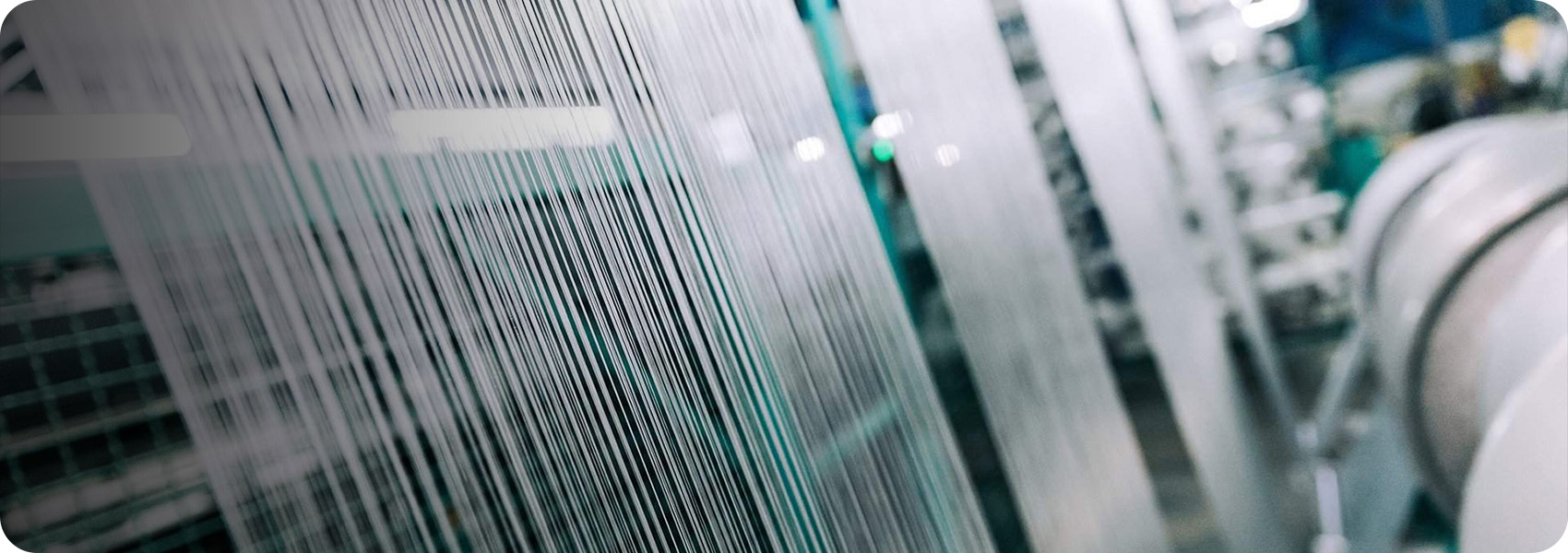
Every textile starts with a fiber. Fibers are either natural or human-made. Natural fibers include cotton, linen, hemp, wool, and silk. Human-made fibers include polyester, nylon, acrylic, rayon, and polypropylene. The fiber choice sets the baseline for strength, moisture behavior, cost, and feel. Yarn is the next layer. Fibers are spun or filamented into yarn, and the yarn structure controls texture, stretch, and durability. Fabric is the third layer, created by interlacing, looping, or bonding yarns.
For upholstery buyers, this layering is practical. A polyester imitation linen fabric, for example, uses polyester fibers to mimic the visual texture of natural linen while offering different performance in abrasion and colorfastness. The fiber does not tell the whole story. Yarn size, twist, and weave density determine whether the final sofa fabric feels crisp or soft and how well it resists pilling.
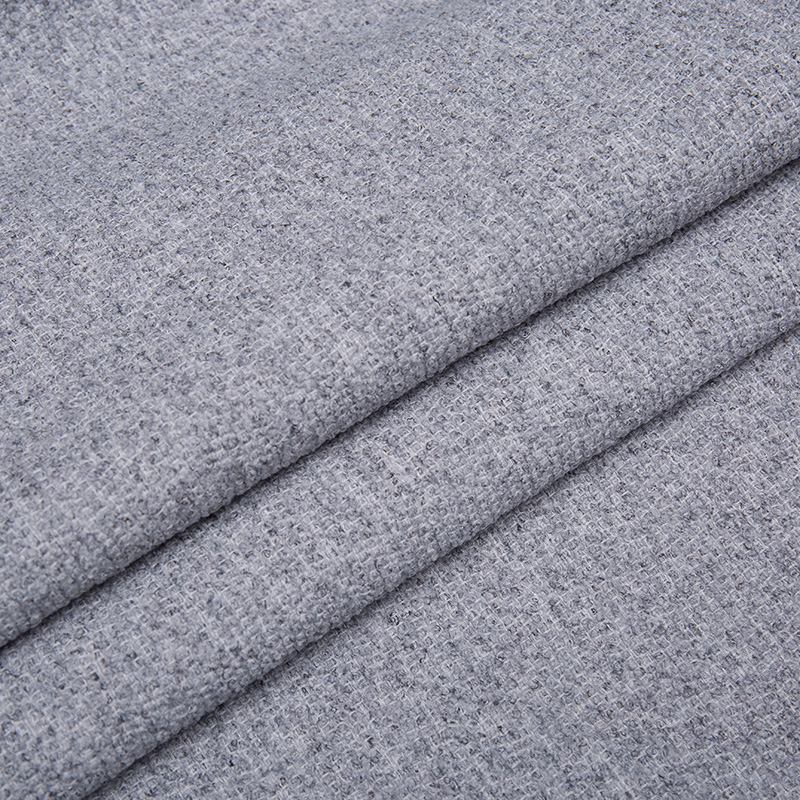 Polyester Imitation Linen Sofa Fabric ManufacturersThe all-polyester imitation linen fabric is made entirely of polyester fibers, offering a relatively dry touch and a sense of thickness. It possesses good wear resista...View Product →
When you compare quotations, ask for the full layer breakdown: fiber content, yarn count or denier, and fabric construction. Two fabrics can share the same fiber name but behave very differently after six months of daily use.
Weaving and knitting are the two most common fabric-forming methods, but they are not the only ones. Woven fabrics interlace warp and weft yarns at right angles. Knitted fabrics loop yarns together, which gives them stretch and recovery. Nonwovens bond or entangle fibers without weaving or knitting. Braiding, felting, and tufting also produce textiles for specific end uses.
Construction affects performance. A tightly woven sofa fabric usually resists abrasion better than a loose knit, but a knit may feel softer and conform better to curved furniture frames. Jacquard weaving adds another layer of control by lifting individual warp yarns to create patterns during the weaving process. Cut pile fabrics go through an additional step: loops are cut to create a plush surface. Brushed fabrics are finished with abrasive rollers to raise fibers for a softer hand feel.
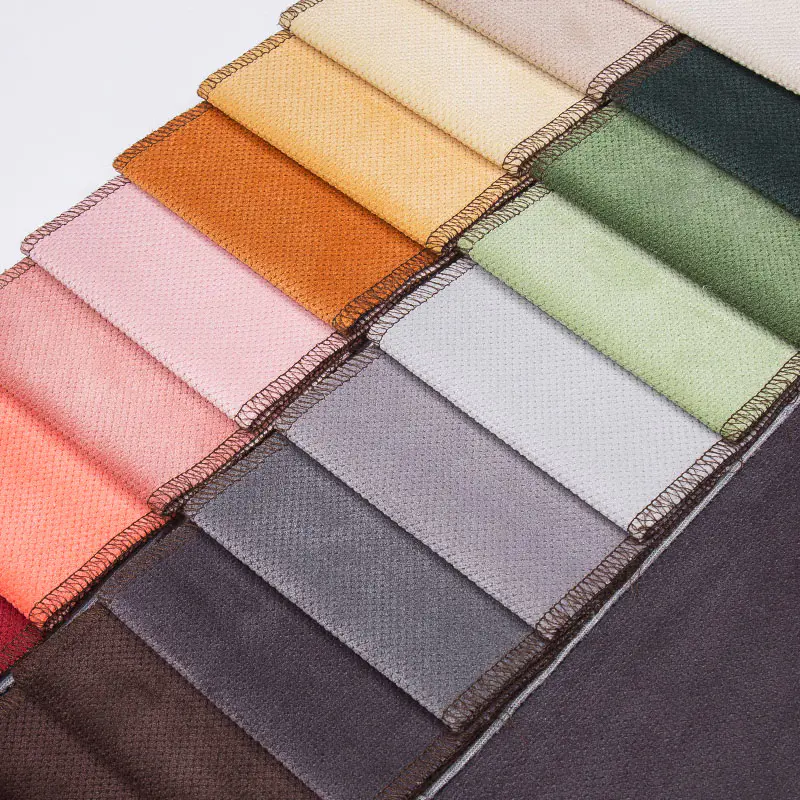 Cut Pile Fabric ManufacturersCut pile fabric is a textile fabric made through a special processing technique. It involves a pile-cutting treatment on the surface of the base fabric (such as knitte...View Product →
Finishing is where many textile definitions become fuzzy. Dyeing, printing, brushing, calendering, and anti-pilling treatments can change the fabric's appearance and performance without changing its fiber content. That is why a spec sheet should separate fiber composition from finish description.
In sourcing, confusing textile with fabric can lead to costly mismatches. If a purchase order says "textile" without specifying fabric construction, a supplier might quote a yarn or a nonwoven when you need a woven upholstery fabric. If a test report lists "textile performance" but your requirement is fabric abrasion resistance, you may be comparing different test methods.
For sofa and seating applications, buyers typically evaluate fabric through a set of measurable standards. Abrasion resistance is often reported in Martindale cycles or Wyzenbeek double rubs. Colorfastness to light and rubbing matters for visible surfaces. Dimensional stability matters for cut-and-sew efficiency. Pilling resistance matters for long-term appearance. These tests apply to the fabric, not to the fiber or yarn in isolation.
| Specification | What it measures | Why buyers ask |
|---|---|---|
| Fiber composition | Percentage of each fiber type | Predicts hand feel, cleanability, and cost |
| Abrasion cycles | Rub resistance under standardized load | Estimates service life in seating |
| Colorfastness | Resistance to fading and crocking | Protects appearance warranty |
| Fabric weight | Mass per unit area | Signals density and coverage |
Chenille fabric illustrates why the textile-versus-fabric distinction matters. Chenille is a type of yarn as well as a fabric family. The yarn's fuzzy pile gives the fabric its softness, but the fabric's backing and weave density determine whether it will hold up in a busy living room. A buyer who only specifies "chenille textile" may receive a product that feels luxurious but fails abrasion requirements.
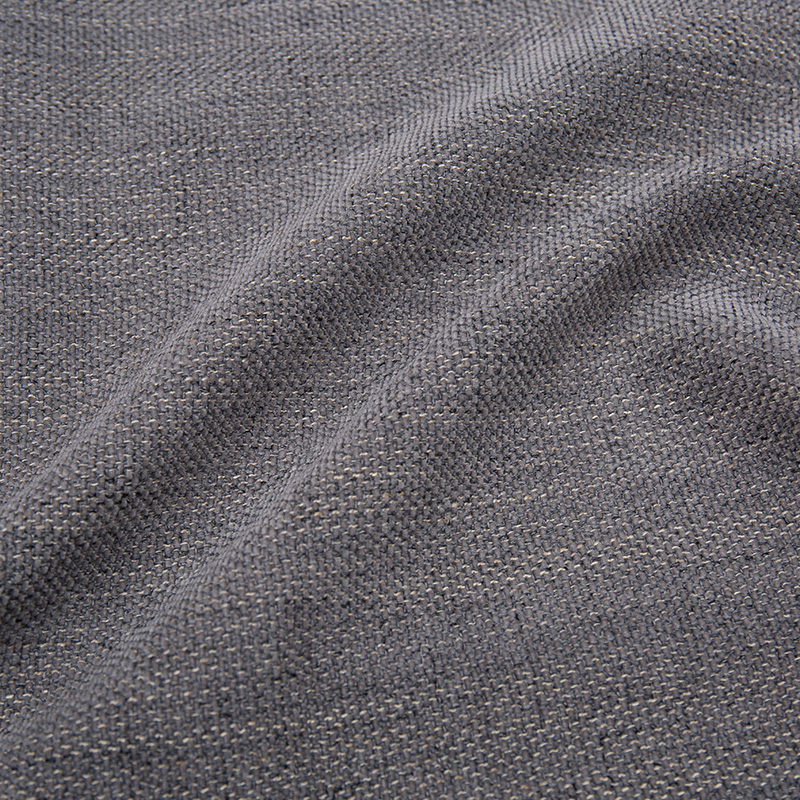 Performance Chenille Fabric ManufacturersChenille fabric has a unique fiber structure and a soft hand feel. The characteristics of chenille fabric include:View Product →
That is why experienced buyers define the textile category and the fabric specification separately. The category tells the supplier what family of materials you are open to. The fabric spec tells them exactly what to deliver.
Several assumptions about textile meaning lead to avoidable procurement problems.
These misunderstandings usually surface late in development, after samples have been approved and production has started. Clarifying textile meaning early prevents rework.
When you evaluate a textile supplier, ask questions that map to the three layers: fiber, yarn, and fabric. Can they source or develop the yarn themselves? Do they control weaving, dyeing, and finishing? What test equipment do they use in-house? A supplier with vertical integration can often trace a performance issue back to the yarn stage instead of guessing.
Jiangsu Xiangyi Textile Technology (Group) Co., Ltd., for example, describes its production as a from-yarn-to-fabric operation. The group includes weaving, dyeing, and finishing entities, and the company states that it operates its own laboratory and testing equipment. That kind of setup helps buyers connect textile terminology to actual production steps. If you are comparing suppliers, ask for a fiber-to-fabric flow chart and sample test reports for the specific fabric you plan to order.
You can learn more about the company's manufacturing structure on its about page, or send your fabric requirements through the contact page for a quote. The more precisely you describe the textile category and the fabric construction, the faster you will receive a comparable quotation.
Textile meaning is broader than most spec sheets suggest. It covers fibers, yarns, fabrics, and finished goods. Fabric is the sheet-like textile that most buyers actually cut, sew, and upholster. When you keep that hierarchy in mind, you can read technical documents more accurately, compare suppliers on the right criteria, and avoid the expensive mistake of ordering a yarn when you needed a woven roll.
The next time a quotation mixes textile and fabric, ask one simple question: which layer are we specifying? That question alone will clarify fiber content, construction, finish, and performance expectations before the order is confirmed.

From yarn to fabric. At Xiangyi, we stitch quality into every seam, crafting sofa fabric that goes beyond decor—it embodies your home’s unique style.
PRODUCT

+86-18262539999(Meng Lin)