 English
 中文简体
中文简体
 عربى
عربى
Industry News
 By Admin
Content
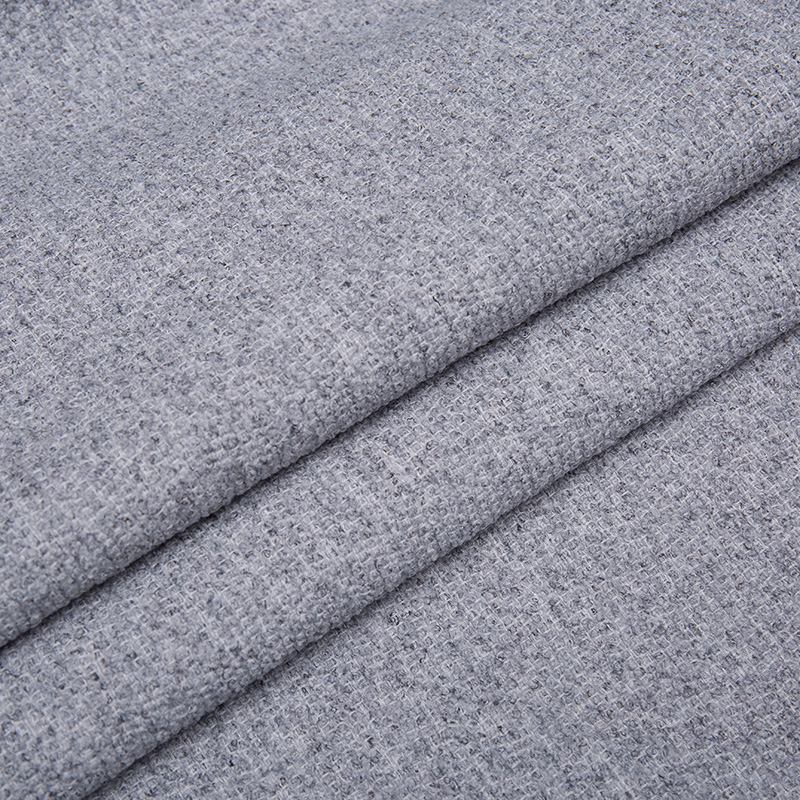
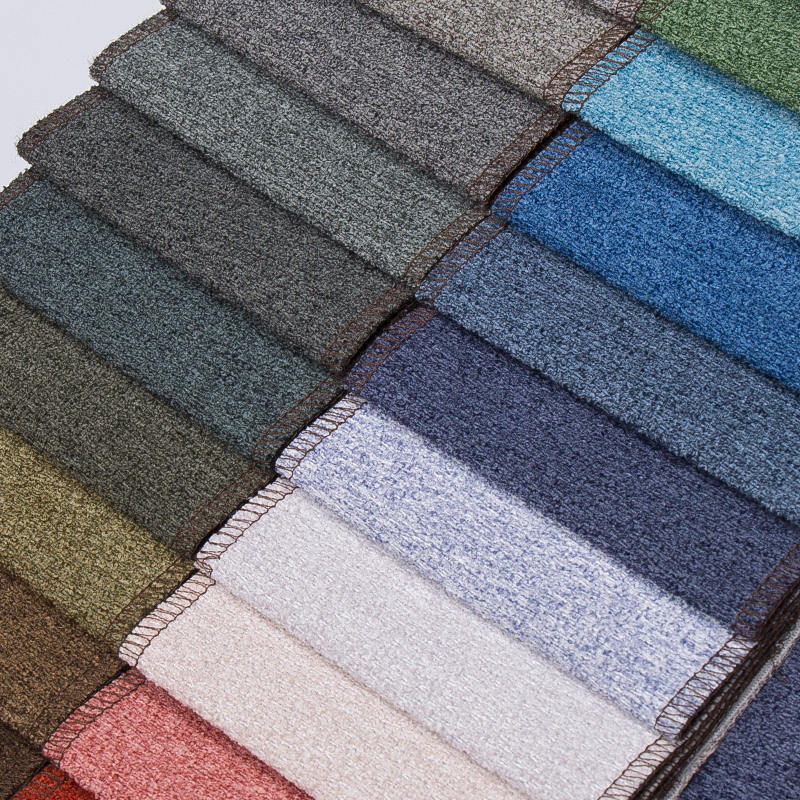
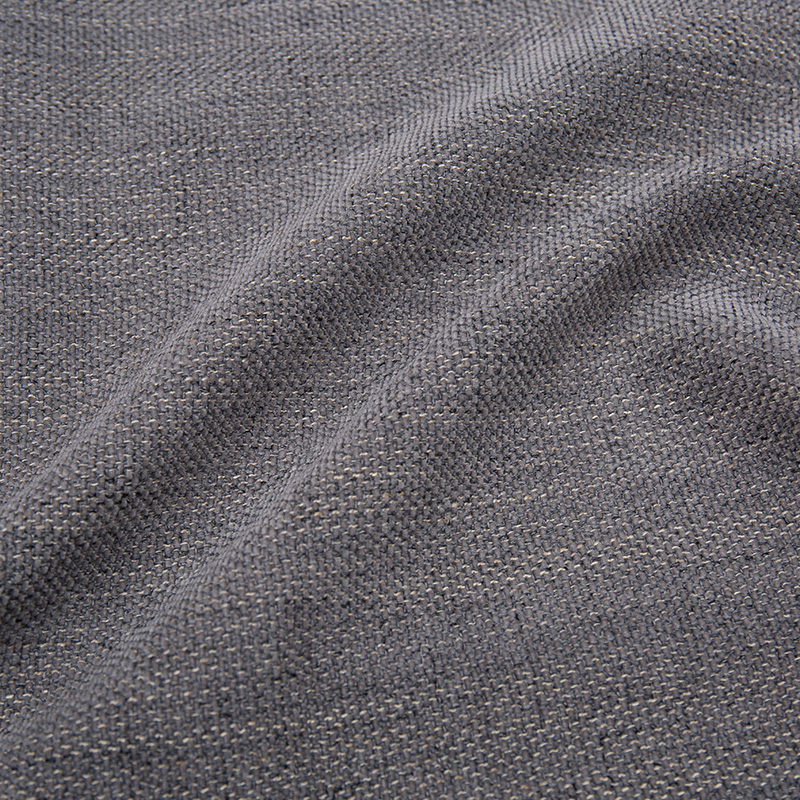
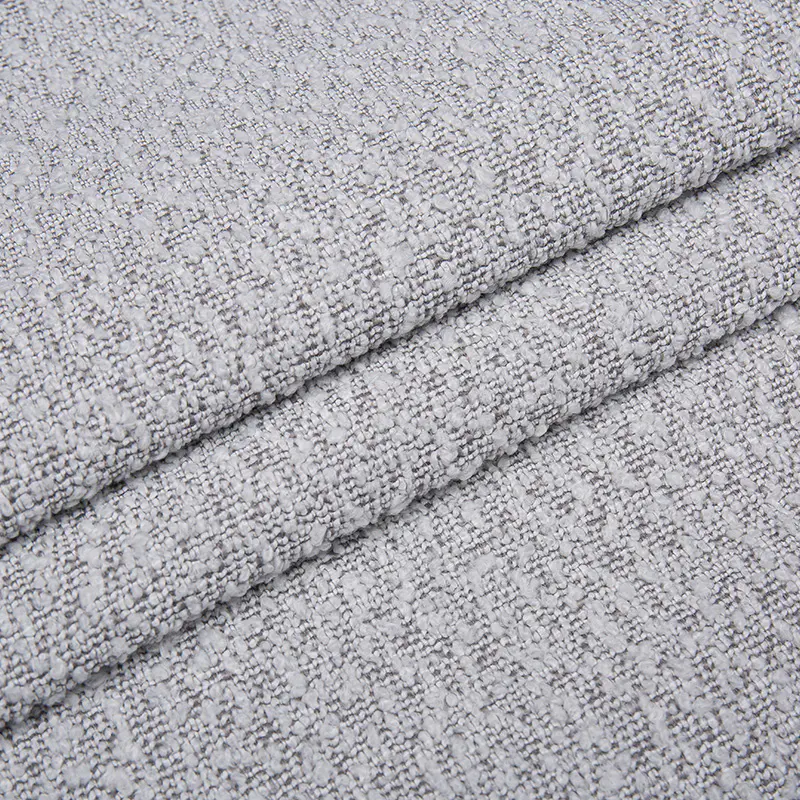
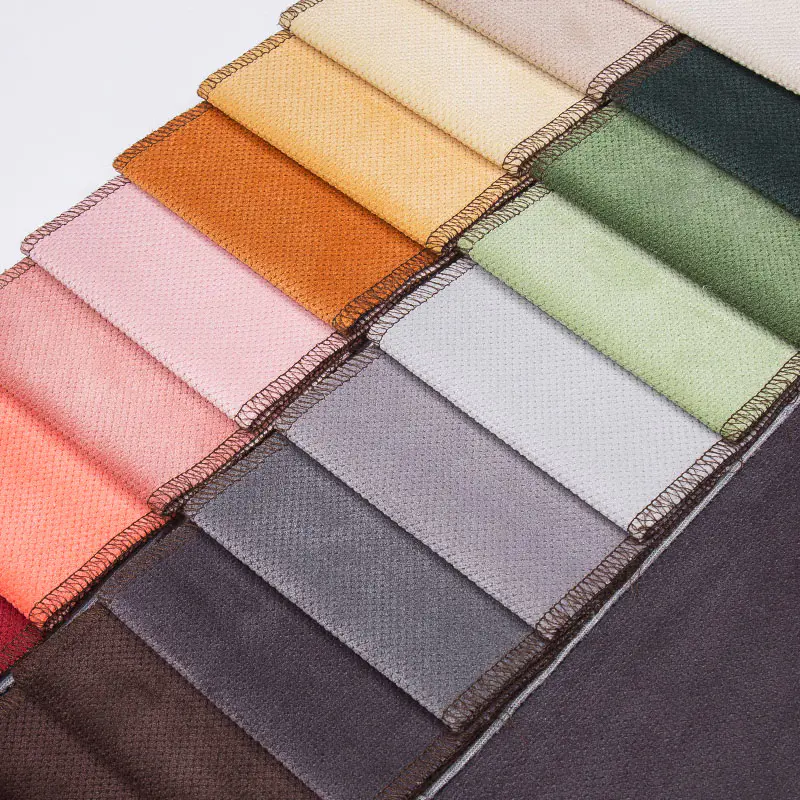
Chenille fabric is a soft, textured textile known for its velvety surface and luxurious feel. The name "chenille" comes from the French word for caterpillar, inspired by its fuzzy appearance. Chenille is created by weaving short lengths of yarn between two core threads and then cutting them to create a plush pile. This unique construction gives chenille its characteristic softness and rich texture, making it a popular choice in home décor and fashion applications.
Chenille fabric is widely used in furniture upholstery due to its durability and elegant texture. Sofas, chairs, and ottomans often feature chenille because it combines comfort with a visually appealing finish. Its soft surface also resists wrinkling, which helps maintain a polished look over time.
In addition to furniture, chenille is a favorite for home textiles such as throws, cushions, and curtains. The fabric's thickness and softness make it ideal for cozy blankets and decorative pillows, adding warmth and texture to living spaces.
Chenille is also used in apparel, particularly sweaters, cardigans, and scarves. Its plush feel provides comfort, while its visual appeal adds sophistication. Accessories like handbags and hats occasionally incorporate chenille to create tactile and stylish accents.
Chenille fabric offers several benefits that make it a top choice for both home and fashion applications. Understanding these advantages can help you make informed purchasing and maintenance decisions.
Vacuuming chenille upholstery regularly helps remove dust and dirt trapped in the fibers. For smaller items like cushions or throws, gently shake them outside to release dust particles.
For spills, use a damp cloth with mild soap and blot the area carefully. Avoid rubbing, as this can damage the pile and create uneven texture. Always test cleaning solutions on a hidden section first.
Some chenille fabrics are machine washable. When doing so, use cold water on a gentle cycle. Air drying is recommended to preserve softness and prevent shrinkage. Avoid high heat and direct sunlight during drying.
For high-end chenille upholstery or delicate pieces, professional cleaning services are advisable. Experts use specialized techniques to maintain the fabric’s texture and extend its lifespan.
Incorporating chenille fabric into your home décor requires attention to both aesthetics and functionality. Here are practical tips to make the most of chenille’s qualities:
Understanding how chenille stacks up against other popular fabrics can help you choose the right material for specific uses. The table below highlights key differences:
| Fabric | Texture | Durability | Maintenance | Best Use |
| Chenille | Soft, velvety | High | Moderate | Upholstery, throws, cushions |
| Velvet | Smooth, plush | Medium | High | Drapes, luxury furniture |
| Cotton | Soft, plain | Medium | Easy | Everyday clothing, sheets |
Chenille fabric is a versatile and luxurious textile suitable for a wide range of applications, from cozy throws to elegant furniture upholstery. Its soft texture, durability, and visual appeal make it a favorite among designers and homeowners. By understanding its properties, caring for it properly, and using it strategically in decoration, chenille can enhance comfort and style in any space.

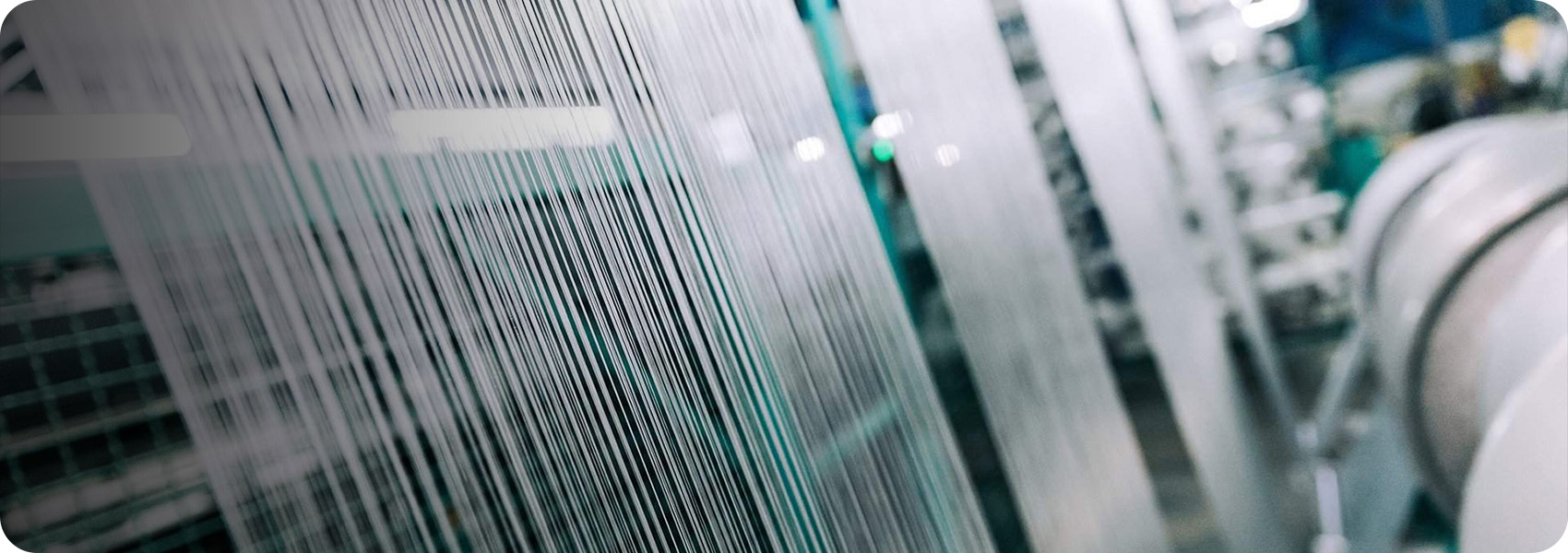
From yarn to fabric. At Xiangyi, we stitch quality into every seam, crafting sofa fabric that goes beyond decor—it embodies your home’s unique style.
PRODUCT

+86-18262539999(Meng Lin)