 English
 中文简体
中文简体
 عربى
عربى
Industry News
Home / News / Industry News / Chenille Fabric: Practical Applications, Performance Advantages, and Buying Insights
 By Admin
Content
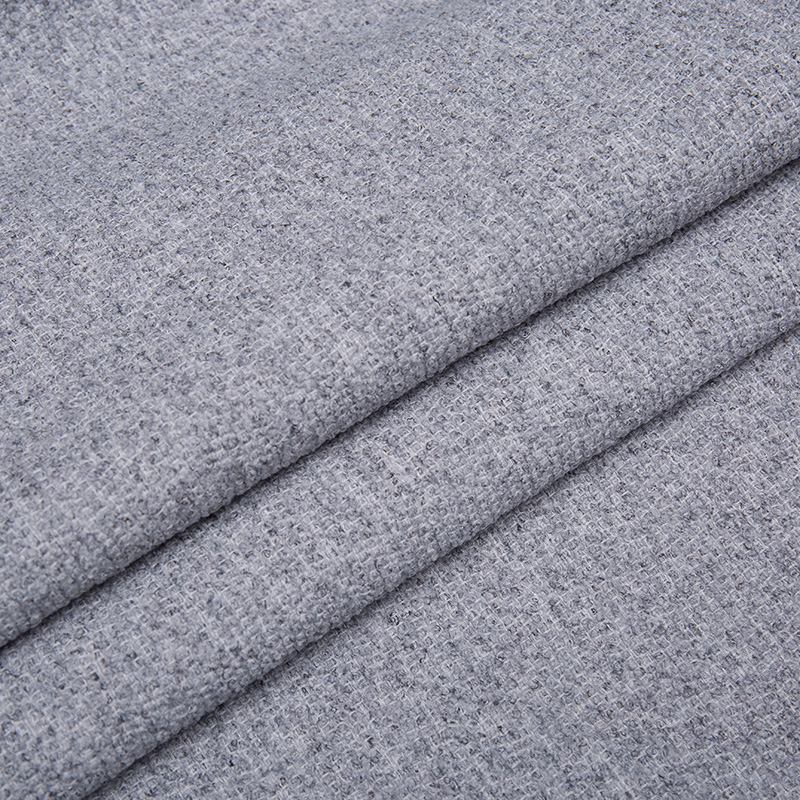
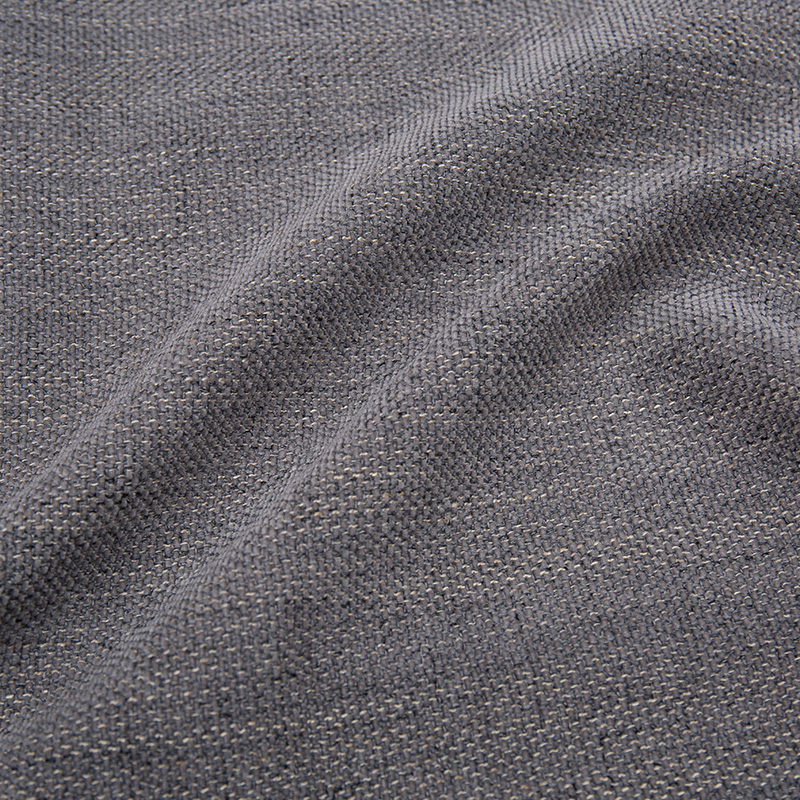
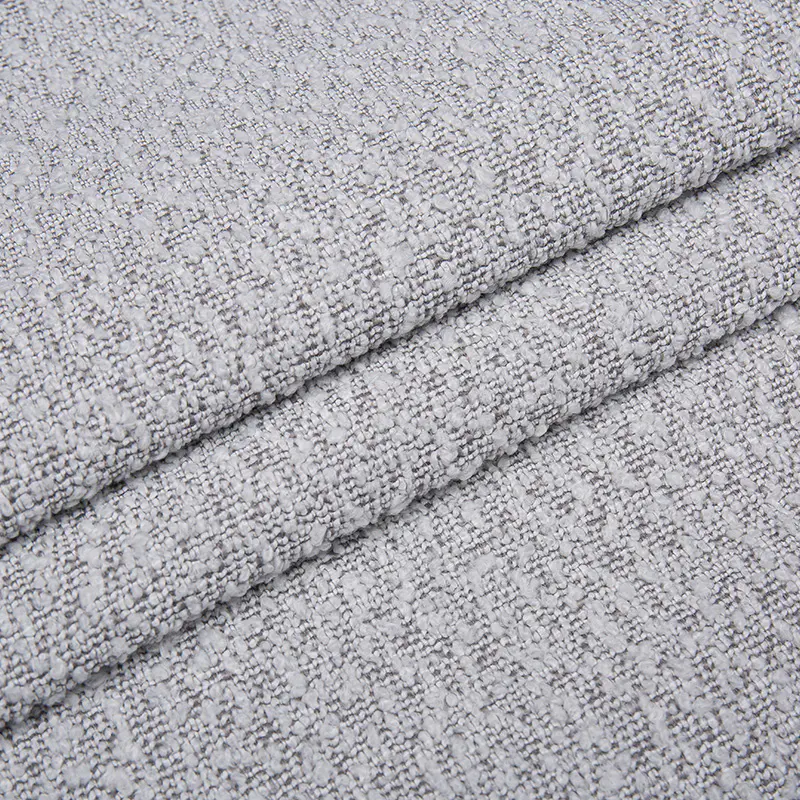
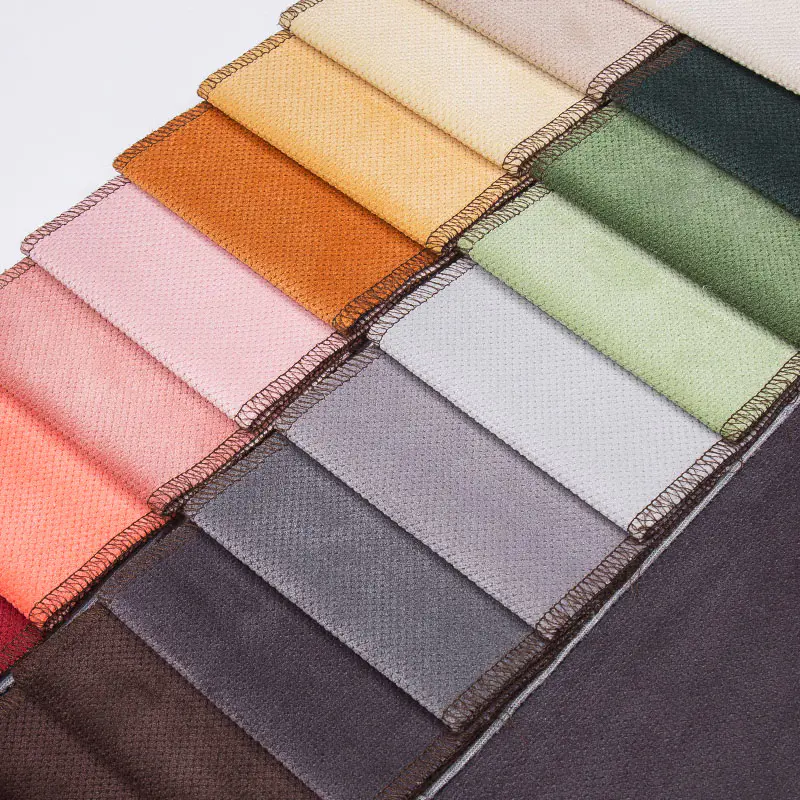
Chenille fabric is a woven textile characterized by its soft, fuzzy surface and dense pile. The name originates from the French word for “caterpillar,” which accurately describes the fabric’s plush texture. Chenille yarn is created by placing short lengths of fiber between two core yarns, then twisting them together so the fibers stand outward. Once woven, the surface is brushed or cut to enhance softness and volume.
Modern chenille fabric is typically made from cotton, polyester, acrylic, rayon, or blended fibers. Polyester chenille fabric dominates the upholstery market due to its durability, color retention, and resistance to wrinkling, while cotton chenille offers a softer, more breathable feel for decorative applications.
Chenille fabric is widely chosen for furniture and home textiles because it balances comfort with performance. Its dense pile structure provides a tactile softness while maintaining adequate strength for daily use.
The durability of chenille upholstery fabric depends heavily on yarn quality, weave density, and fiber composition. High-quality polyester chenille performs well in living rooms, hotels, and commercial lounges with moderate traffic.
Chenille fabric is primarily used in interior furnishings, where comfort and visual appeal are equally important. Its versatility allows it to adapt to both modern and classic design styles.
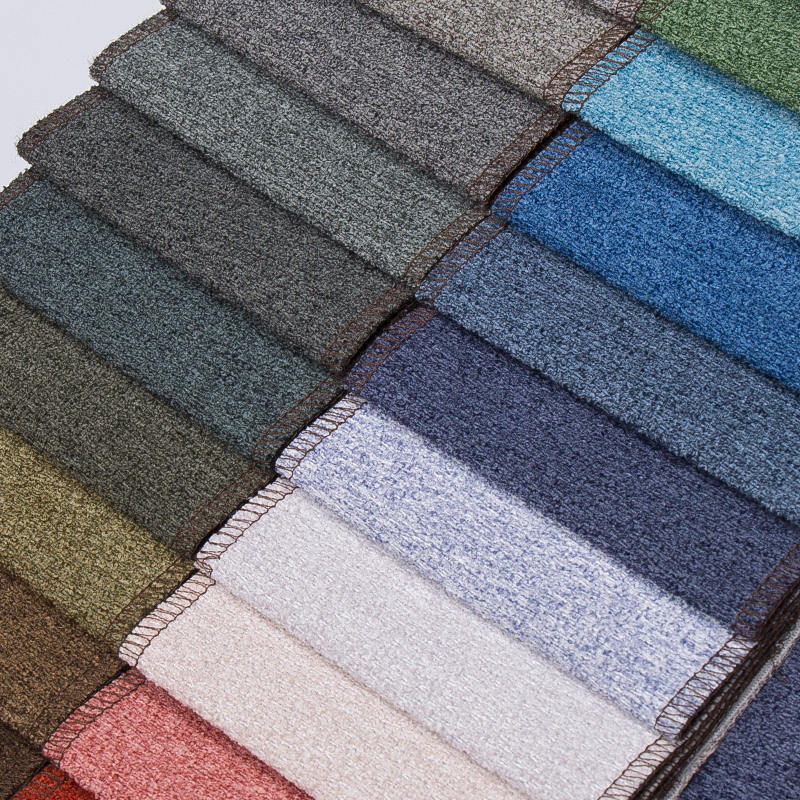
Chenille sofa fabric is a popular choice for couches, armchairs, sectionals, and ottomans. The fabric’s thickness helps conceal frame lines and provides a cozy seating experience. Neutral-toned chenille is especially favored for large furniture pieces due to its ability to hide minor wear.
Beyond upholstery, chenille material is widely used for throw pillows, bedspreads, curtains, and accent blankets. Its textured surface adds depth to interior spaces without requiring complex patterns.
Understanding how chenille fabric compares to other common upholstery materials helps buyers make informed decisions based on use scenarios and maintenance expectations.
| Fabric Type | Texture | Durability | Maintenance |
| Chenille Fabric | Soft, plush | Medium to high | Moderate |
| Velvet | Smooth, dense | Medium | High |
| Linen | Crisp, flat | Low to medium | Moderate |
When sourcing chenille fabric for upholstery or décor, several technical factors should be evaluated to ensure long-term performance.
Proper maintenance extends the life of chenille upholstery fabric and preserves its appearance. Due to its pile structure, gentle care methods are recommended.
Routine vacuuming with a soft brush attachment removes dust and prevents fibers from matting. For spills, blot immediately with a clean, dry cloth instead of rubbing. Most chenille fabric should be spot-cleaned using mild detergent and cold water, followed by air drying.
For commercial settings or large furniture pieces, professional upholstery cleaning is advised to maintain texture uniformity and avoid pile distortion.
The global demand for chenille fabric continues to grow, driven by the expansion of residential furniture, hospitality interiors, and lifestyle home décor. Designers increasingly favor chenille material for its balance of luxury appearance and practical durability.
Sustainable production methods, recycled polyester chenille, and stain-resistant finishes are emerging trends, especially in markets focused on eco-conscious furnishing solutions.
For manufacturers, retailers, and buyers, chenille fabric remains a reliable option that meets both aesthetic expectations and functional requirements across a wide range of applications.

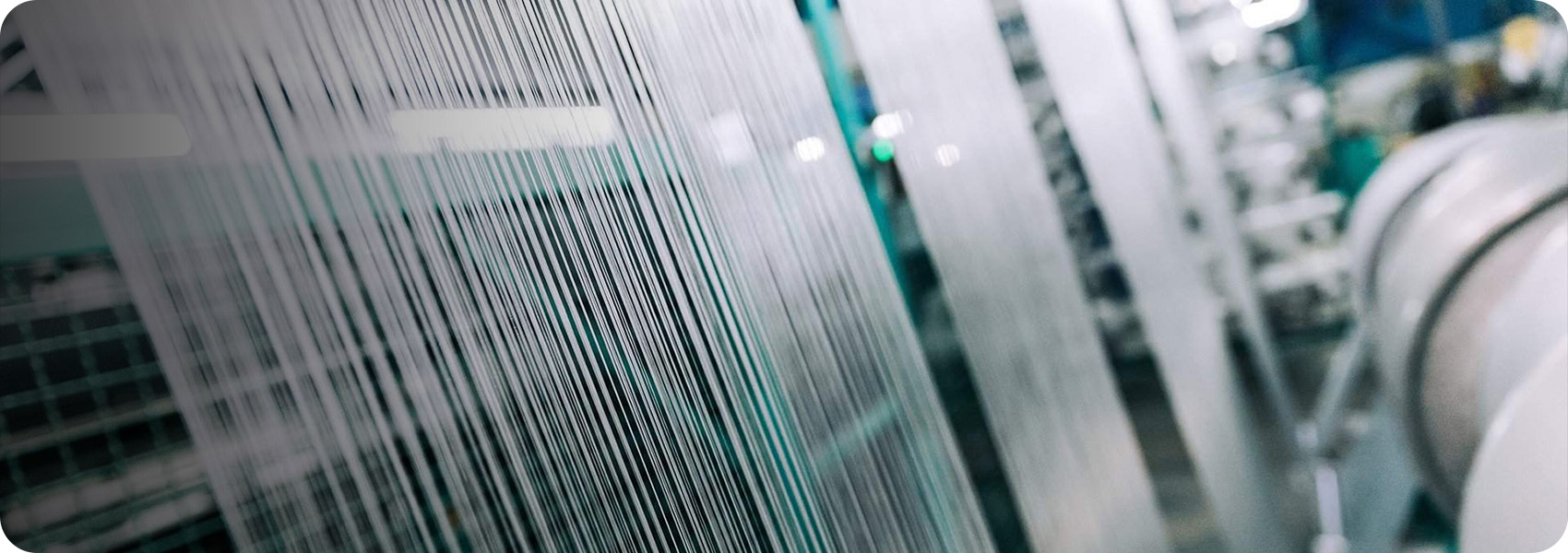
From yarn to fabric. At Xiangyi, we stitch quality into every seam, crafting sofa fabric that goes beyond decor—it embodies your home’s unique style.
PRODUCT

+86-18262539999(Meng Lin)