 English
 中文简体
中文简体
 عربى
عربى
Industry News
 By Admin
Content
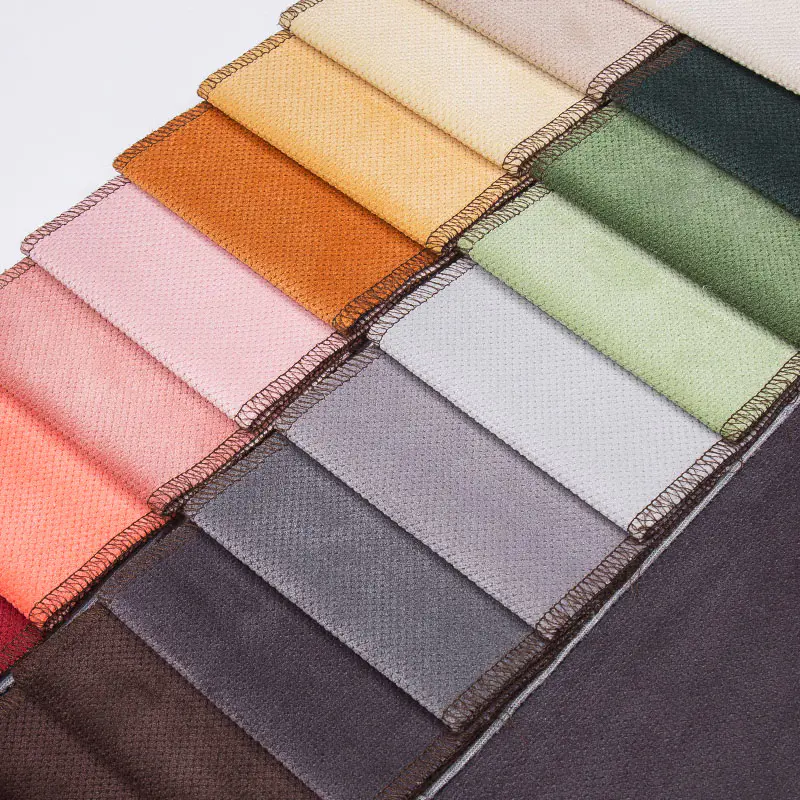
Cut pile fabric stands as one of the most versatile textile constructions in contemporary design, distinguished by fibers that stand upright from the backing material to create a soft, textured surface. This construction method produces fabrics ranging from luxurious velvet to durable corduroy, making them indispensable across fashion apparel and interior spaces. The global textile market values pile fabrics at approximately $45 billion annually, with cut pile varieties commanding premium positions due to their tactile appeal and visual depth.
Velvet remains the premier choice for formal fashion, with designers utilizing its light-catching properties to create garments that shift color with movement. A standard velvet gown contains between 120,000 to 150,000 fibers per square inch, creating the dense surface that defines luxury evening wear. The fabric drapes exceptionally well due to the weight distribution of the cut pile, allowing for fluid silhouettes that synthetic alternatives cannot replicate.
Corduroy and plush cut pile fabrics provide superior insulation through trapped air pockets within the fiber structure. A corduroy jacket with a standard 11-wale count offers 15% better thermal retention than comparable flat-weave cotton garments. The vertical ribs of corduroy also resist wear patterns, making these pieces functional investments that maintain appearance through multiple seasons.
Cut pile fabric transforms accessories into statement items. Handbags constructed from short-pile velvet or faux fur achieve tactile distinction without excessive weight. Scarves utilizing plush microfiber piles provide warmth at one-third the bulk of traditional knit alternatives, allowing for elegant styling without compromising comfort.
Residential upholstery represents the largest consumption sector for cut pile fabric, accounting for 38% of total production volume. Velvet upholstery on sofas and armchairs creates focal points that anchor room designs. The Martindale abrasion test measures upholstery durability, with residential-grade cut pile fabrics rated between 15,000 to 25,000 cycles, sufficient for 7 to 10 years of regular household use.
Heavy cut pile draperies provide acoustic dampening and thermal insulation beyond standard flat fabrics. Velvet curtains reduce room echo by absorbing up to 40% more sound energy than linen or cotton alternatives. The density of the pile also blocks light penetration more effectively, with blackout-rated velvet achieving 95% light reduction without additional lining.
Plush carpet construction utilizes cut pile exclusively, with pile heights ranging from 0.25 inches for low-profile commercial use to 0.75 inches for residential luxury. The twist level of the yarn determines performance characteristics:
| Property | Cut Pile Performance | Flat Weave Comparison |
|---|---|---|
| Thermal Insulation | Excellent | Moderate |
| Light Reflection | Variable (lustrous) | Uniform (matte) |
| Stain Resistance | Moderate | High |
| Tactile Comfort | Superior | Standard |
| Acoustic Absorption | High | Low |
The unique structure of cut pile creates thousands of fiber ends that trap air, providing inherent insulation properties. This same structure creates friction that generates the distinctive soft hand-feel consumers associate with premium textiles. Manufacturing advances now allow for micro-denier fibers measuring 0.5 denier or finer, creating cut pile fabrics with unprecedented softness while maintaining structural integrity.
Proper maintenance extends cut pile fabric lifespan significantly. Regular vacuuming with upholstery attachments prevents soil accumulation at the pile base. For velvet specifically, brushing in the direction of the pile maintains the uniform appearance that defines the fabric's luxury aesthetic. Professional cleaning every 12 to 18 months preserves fiber resilience and color saturation better than frequent consumer-grade cleaning attempts.
Cut pile fabrics continue to evolve through sustainable manufacturing practices, with recycled polyester and organic cotton variants entering the market at competitive price points within 15% of conventional options. This accessibility ensures that the tactile and visual benefits of cut pile construction remain available across diverse design applications and budget ranges.

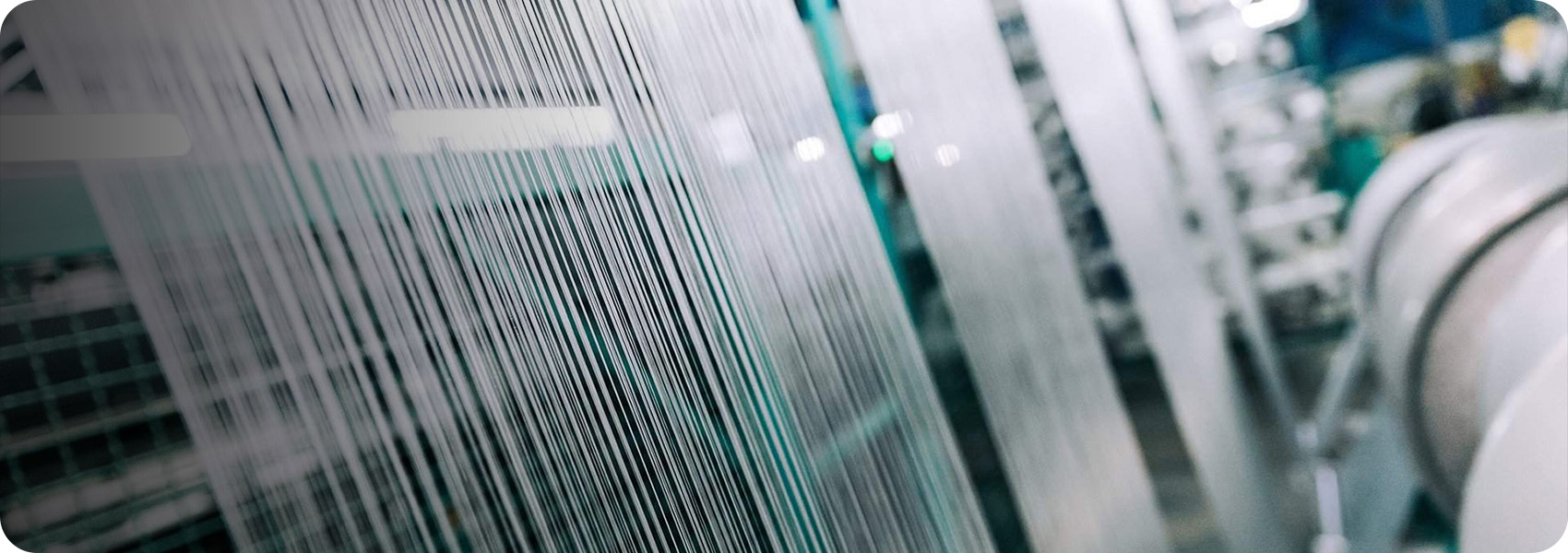
From yarn to fabric. At Xiangyi, we stitch quality into every seam, crafting sofa fabric that goes beyond decor—it embodies your home’s unique style.
PRODUCT

+86-18262539999(Meng Lin)