 English
 中文简体
中文简体
 عربى
عربى
Industry News
Home / News / Industry News / Textile Definition: What a Textile Really Is and How It Differs From Fabric
 By Admin
Content
A sofa cushion, a fire hose, and the fusible interlining inside a suit jacket are all textiles — even though only one of them looks like "cloth." In its precise sense, a textile is any material made from fibers, filaments, or yarns, whether those fibers are woven, knitted, braided, bonded, or otherwise combined into a usable product. The word covers the raw fiber, the spun yarn, and the finished fabric — not just the yardage on a bolt.
For buyers, this is not a vocabulary exercise. The definition decides what goes on a specification sheet, how fiber content is declared on trade documents, and which performance tests a supplier must run before shipment. The sections below set out the definition, separate it from the loose words "fabric" and "cloth," and show where each term matters in practical sourcing.
Dictionary definitions and industry usage converge on one point: the term describes a material family, not a single product form.
Working definition: a textile is any fiber-based material — fibers, filaments, yarns, threads, and the fabrics made from them. Dictionaries extend the sense to woven or knitted cloth, and industry usage adds nonwovens, carpets, and technical products such as geotextiles. If interlaced or bonded fibers form the structural core, the material qualifies.
That scope is wider than most people expect. The following all count as textiles:
What the definition excludes is equally useful: leather, plastic film, paper, and sheet metal are not textiles, because fibers are not their structural basis. A polymer-coated fabric remains a textile — the coating is a finish applied to a textile substrate — while a solid PVC sheet is not.
The three terms overlap in daily speech but sit at different levels of the supply chain. Textile is the umbrella; fabric is the planar sheet made from yarns; cloth is the oldest and narrowest word, traditionally tied to woven material. Writing "textile" on a request for quotation invites offers anywhere from fiber to finished goods, which is exactly why precise wording reduces quoting errors.
| Term | Coverage | Typical Trade Usage |
|---|---|---|
| Textile | Fibers, yarns, fabrics, and fiber-based finished products | Industry name, customs categories, fiber-content labels |
| Fabric | Planar sheet made by weaving, knitting, or bonding | Yardage orders, upholstery and apparel specifications |
| Cloth | Traditionally woven fabric; broad consumer sense of "material" | Informal descriptions, retail language |
Every textile moves through three production stages, and each stage changes the material in measurable ways.
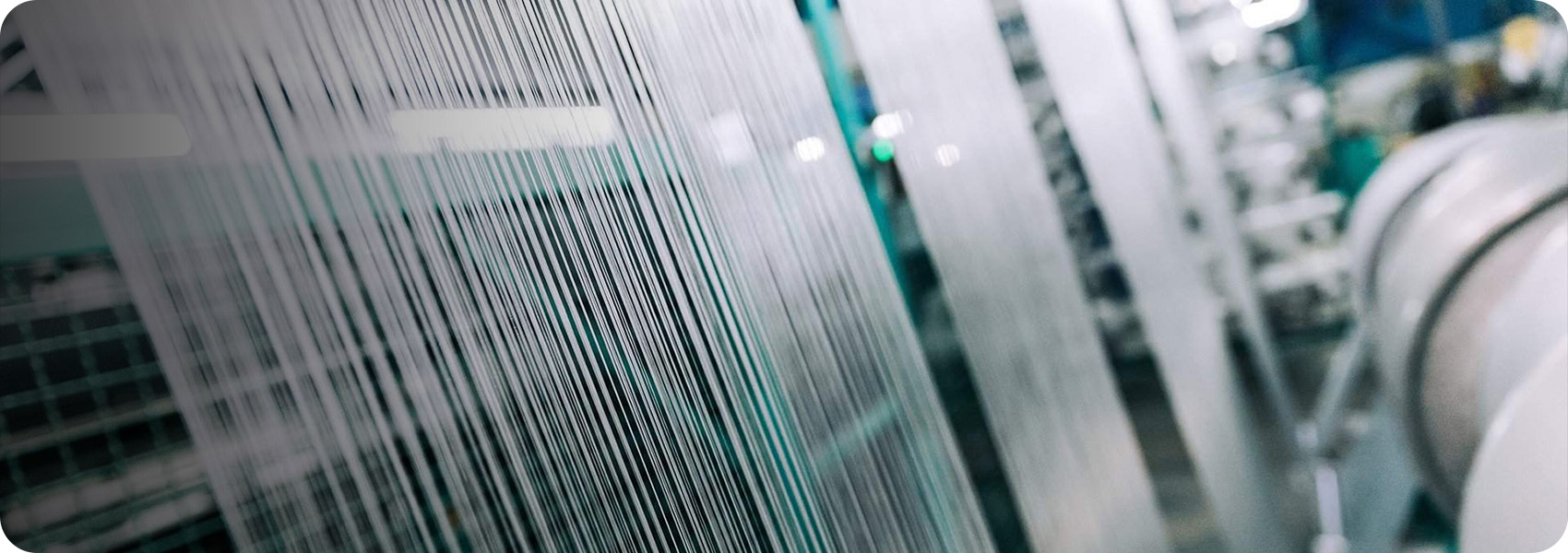
Natural fibers arrive with properties fixed by the plant or animal they came from; synthetic fibers are engineered while the polymer is still liquid. Spinning then twists or draws fiber into yarn, and yarn construction — count, twist, and ply — drives strength, softness, and cost. This is why integrated manufacturers control yarn in-house: a chenille yarn or a high-twist crepe can only be specified at this stage, not corrected later.
Interlacing methods define the fabric's character. Weaving interlaces two yarn systems at right angles; knitting forms loops; braiding runs strands diagonally; nonwovens bond fibers directly. Loom choice matters as much as method — water-jet, air-jet, rapier, and jacquard machines each suit different yarns and pattern complexities. Jacquard weaving builds the pattern into the cloth structure itself rather than printing it on the surface, which changes both how the fabric wears and how it is classified.
Dyeing and finishing come last but can redefine performance. Piece dyeing colors the completed fabric, while the masterbatch route locks pigment into the polymer before extrusion, making coloration part of the fiber itself. Mechanical finishes — brushing, cutting pile, calendering, lamination — then set the final hand feel and surface behavior.
Fibers divide into two families, and the split appears directly on fiber-content labels. Natural fibers come from plants, animals, or minerals; manufactured fibers are produced industrially from synthetic polymers or regenerated cellulose.
| Category | Common Examples | Signature Properties |
|---|---|---|
| Plant (cellulosic) | Cotton, linen, jute, hemp | Breathability, natural texture, moisture absorption |
| Animal (protein) | Wool, silk | Warmth, drape, natural elasticity |
| Synthetic | Polyester, nylon, acrylic, polypropylene | Strength, abrasion resistance, shape retention |
| Regenerated | Viscose/rayon, lyocell | Silk-like hand, dye affinity, plant-derived origin |
Polyester deserves special mention in furnishing textiles. It dominates sofa upholstery because it pairs abrasion resistance with colorfastness and moderate cost, and because imitation effects — linen looks, velvet looks — can be engineered directly into the fiber and yarn. A well-made polyester imitation linen passes a casual touch test for flax while surviving daily sofa use that would wear genuine linen quickly.
The word "textile" reaches into four practical corners of a purchase:
Fabric names make more sense once you know which stage of the textile definition they describe. Chenille is defined at the yarn stage: the name refers to a cut-pile yarn whose fuzzy protrusions create the caterpillar-like surface, before any loom is involved.
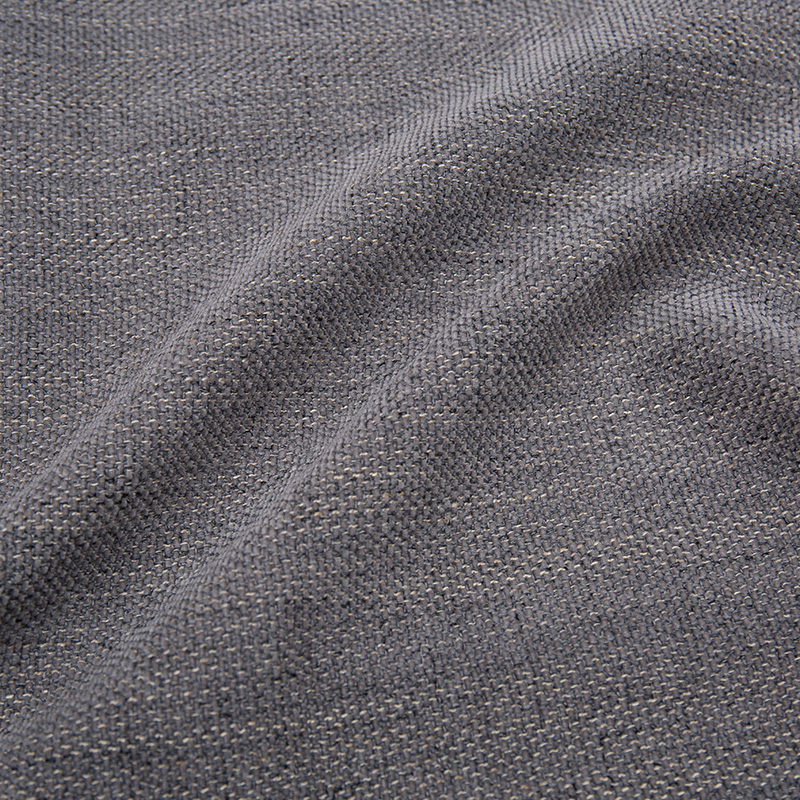 Performance Chenille Fabric for Upholstery and Home UseChenille is defined at the yarn stage, where cut-pile fibers create its soft, fuzzy surface. This supplier offers custom chenille sofa fabric with luxurious texture, warmth, and durability.View Product →
Jacquard is defined at the loom stage: individually controlled warp yarns weave the pattern into the structure, so design and fabric are the same thing. That is why jacquard upholstery keeps its pattern even where the surface abrades — and why it is worth reading how jacquard looms weave pattern into cloth before comparing quotes.
 Dress Jacquard Fabric Woven with Intricate PatternsJacquard patterns are woven into the fabric structure itself, so designs resist abrasion and keep their three-dimensional relief. This maker supplies custom jacquard clothing fabric with breathable, durable weaves.View Product →
Masterbatch fabric is defined at the earliest stage of all: pigment is blended into the polymer before the fiber exists, trading some color-range flexibility for exceptional colorfastness and batch-to-batch consistency — a decisive property in high-volume furniture programs.
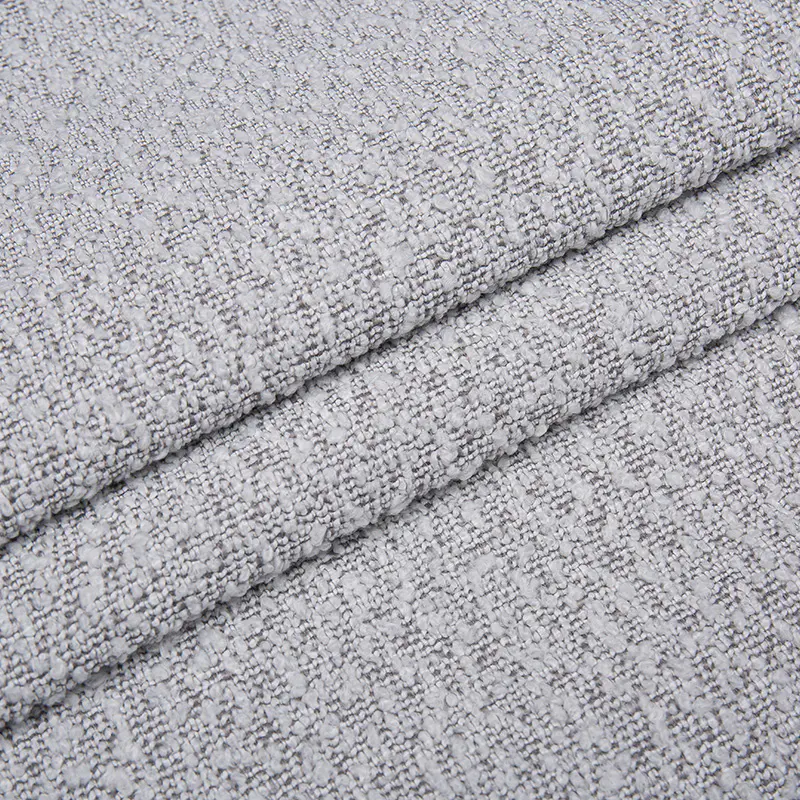 Color Masterbatch Woven Fabric with High ColorfastnessPigment is fixed inside the fiber during spinning, giving masterbatch fabric strong colorfastness and batch consistency. This integrated yarn-to-finish producer offers custom color-woven fabric at competitive pricing.View Product →
A definition earns its keep when a supplier can act on it at every stage. Xiangyi Textile's integrated yarn-to-fabric operation — in-house yarn development, multiple loom platforms, and group-level dyeing and finishing — is organized around the exact chain described above. When a buyer specifies "brushed 100% polyester, 280 g/m², Martindale 40,000," every term maps to a controlled production stage rather than an outsourced guess.
The working takeaway is simple: treat "textile" as the supply chain, "fabric" as the product, and "cloth" as the everyday word. Specify which stage you mean, name the fiber, and demand tests matched to the construction — then the definition stops being semantics and becomes a procurement tool.

From yarn to fabric. At Xiangyi, we stitch quality into every seam, crafting sofa fabric that goes beyond decor—it embodies your home’s unique style.
PRODUCT

+86-18262539999(Meng Lin)