 English
 中文简体
中文简体
 عربى
عربى
Industry News
 By Admin
Content
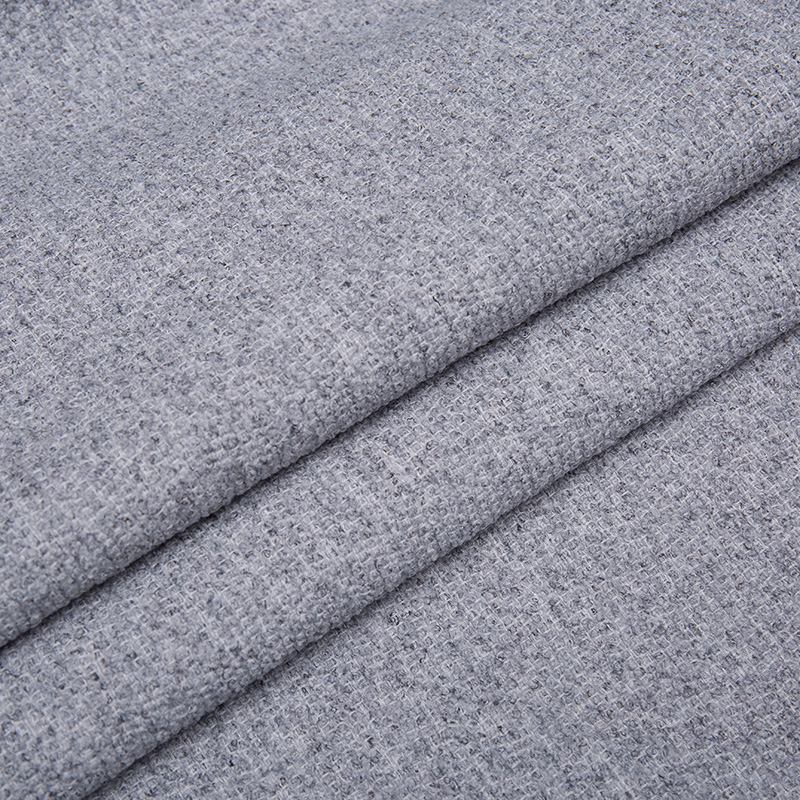
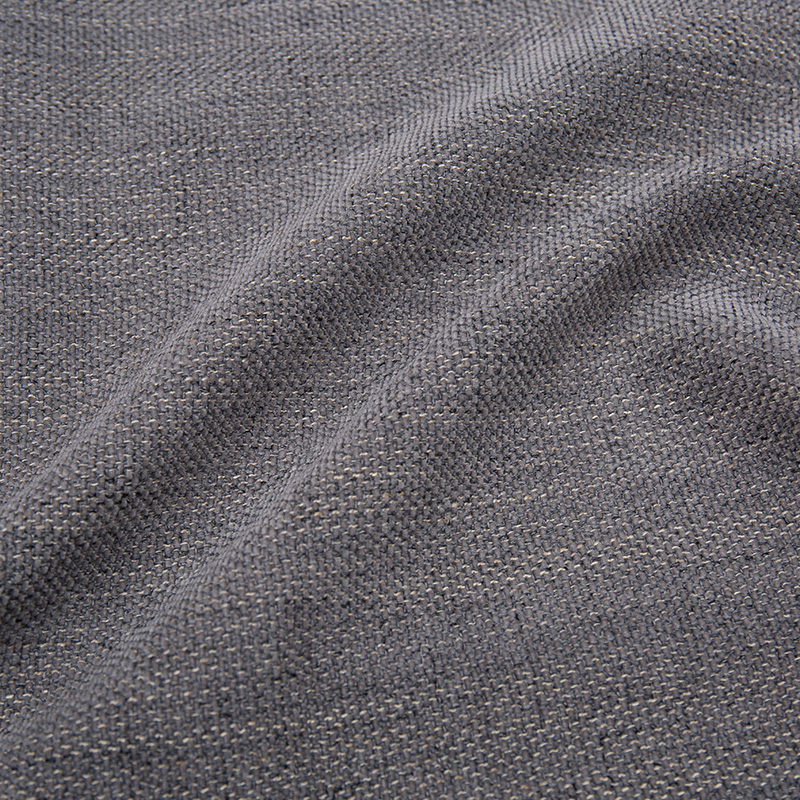
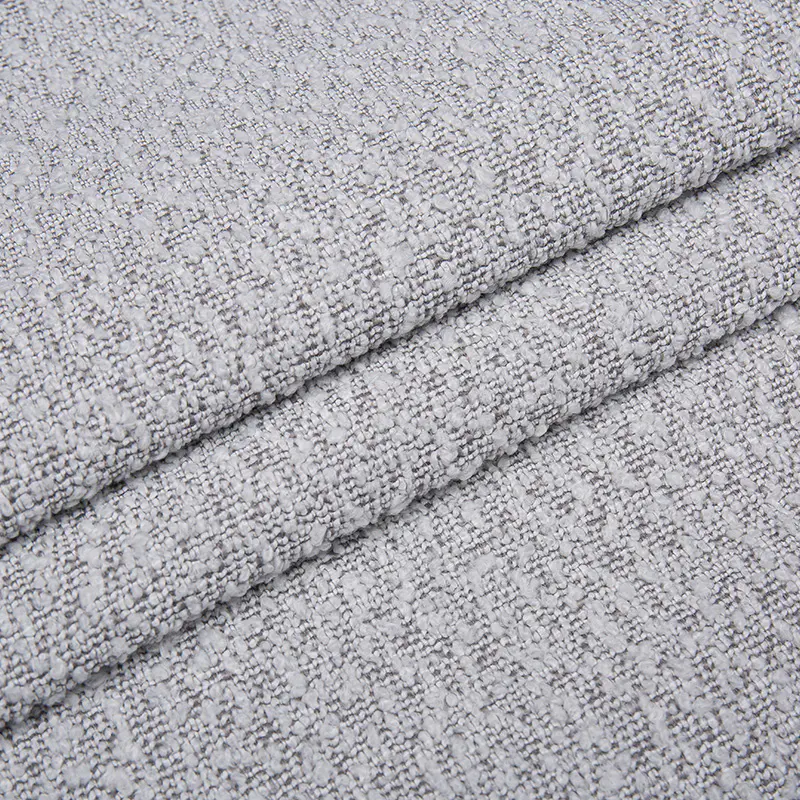
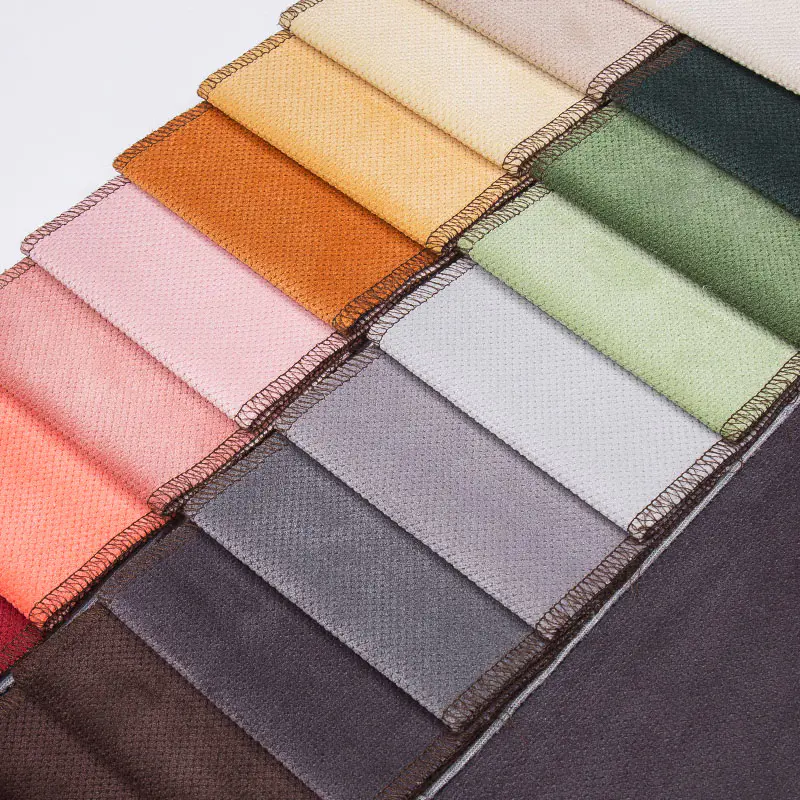
Chenille fabric gets its name from the French word for "caterpillar"—an apt description for its fuzzy, textured pile that wraps around a central yarn core. That distinctive structure is what makes it feel so different from flat-woven upholstery: rich to the touch, visually warm, and immediately inviting. For sofa buyers who want both comfort and character, it consistently tops the shortlist.
But not all chenille is built the same. The difference between a sofa that looks tired after two years and one that holds up for a decade comes down to fiber composition, weave density, and whether the fabric is engineered for actual performance. This guide cuts through the noise so you can make a smarter purchase.
Standard chenille prioritizes softness—it feels amazing in a showroom. Performance chenille fabric adds a layer of engineering on top of that softness: tighter weave construction, synthetic fiber blends (typically high-grade polyester), and finishes that resist pilling, staining, and abrasion. The result is a fabric that doesn't sacrifice tactile appeal but is built to endure daily life.
From a durability standpoint, the numbers matter. General contract upholstery guidelines recommend a minimum of 15,000 double rubs (Wyzenbeek method) for standard use; heavy-duty applications call for 30,000 or more. Quality performance chenille fabrics—like those produced by manufacturers who specialize in sofa upholstery—are designed to meet or exceed these benchmarks, making them viable for both residential and light commercial settings.
In practical terms, performance chenille fabric for sofas and upholstery can maintain its appearance for 7–10 years with regular care, compared to 3–5 years for loosely constructed versions. The investment in quality pays off over the sofa's full lifespan.
Luxury chenille fabric isn't just a marketing label—it refers to specific production choices that elevate both feel and appearance. The key differentiators are fiber selection, yarn spinning, and finishing treatments.
Jiangsu Xiangyi Textile, established in 2005, produces nearly 400,000 meters of sofa fabric daily across multiple production facilities. Their luxury chenille fabric range is developed with these quality parameters as standard, not optional upgrades.
| Factor | Chenille | Velvet | Microfiber |
|---|---|---|---|
| Softness | Very high | High | Moderate–high |
| Durability | Good (performance grade) | Moderate | High |
| Maintenance | Moderate | High effort | Low |
| Visual warmth | Very high | High (formal) | Low |
| Pet-friendly | Moderate | Low | High |
| Breathability | Moderate | Low | High |
Chenille sits in a strong middle position: warmer and more textured than microfiber, more relaxed and breathable than velvet. For family living rooms where comfort is the primary criterion and some maintenance effort is acceptable, it's often the best fit. If pet hair and minimal cleaning are top priorities, microfiber is the more practical choice—but you give up chenille's unmistakable tactile richness.
Chenille responds well to consistent, low-effort maintenance. Vacuum weekly with an upholstery brush attachment—this removes grit that accelerates pilling before it becomes a problem. Rotate loose cushions monthly so wear distributes evenly rather than concentrating on one spot. For spills, blot immediately with a clean cloth; don't rub, as friction disrupts the pile direction and can cause visible matting.
Avoid prolonged direct sunlight. Even high-quality dyed chenille can experience color shift over time with UV exposure—a simple curtain or positioning adjustment extends the fabric's visual lifespan significantly. With this routine, performance chenille can hold its appearance for 7–10 years in a medium-traffic household.
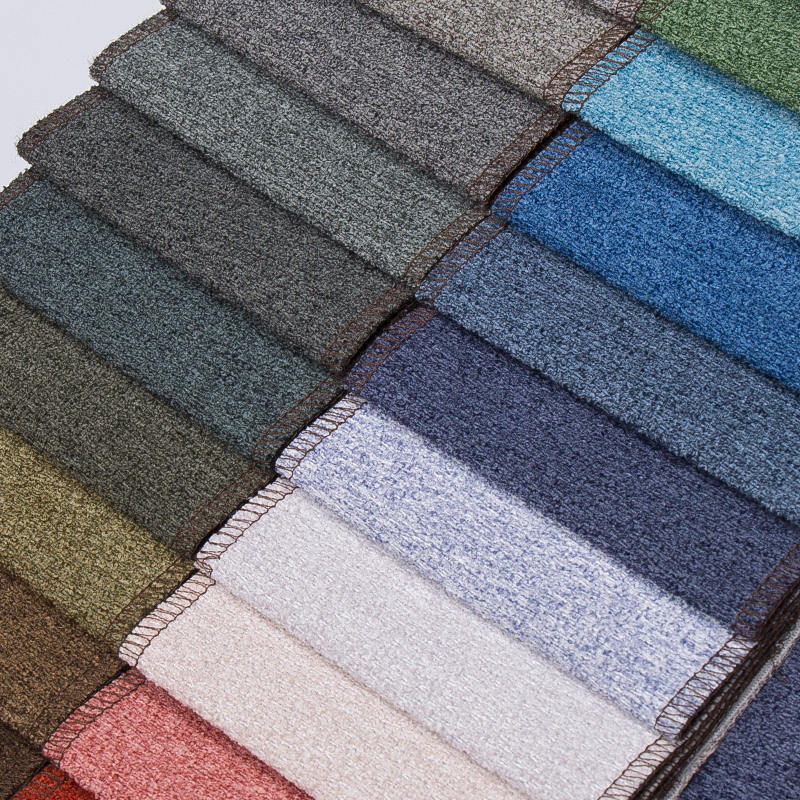
For buyers sourcing fabric in bulk or for furniture manufacturing, Xiangyi's chenille sofa fabric wholesale options include custom color, pile density, and backing specifications—useful when matching fabric to specific furniture frame and cushion constructions.
Chenille sofa fabric is a strong match for households that prioritize comfort and visual warmth, have moderate traffic, and are willing to do basic maintenance. It excels in living rooms that see regular but not extreme use—think two adults, occasional guests, perhaps one well-behaved pet.
It's a harder sell for homes with multiple cats (claws catch the pile), young toddlers prone to major spills, or anyone who wants near-zero cleaning effort. In those scenarios, a tightly woven synthetic or performance fabric with stain-guard finishing may be more pragmatic. The honest trade-off: you gain durability and ease, but lose the cozy depth that makes chenille special.
Beyond sofas, chenille's versatility extends to accent chairs, ottomans, throw pillows, and window treatments—anywhere you want softness and texture without sacrificing too much structure. Xiangyi's broader sofa fabric product range also includes jacquard, brushed, and cut pile options for buyers comparing upholstery solutions across different use cases.

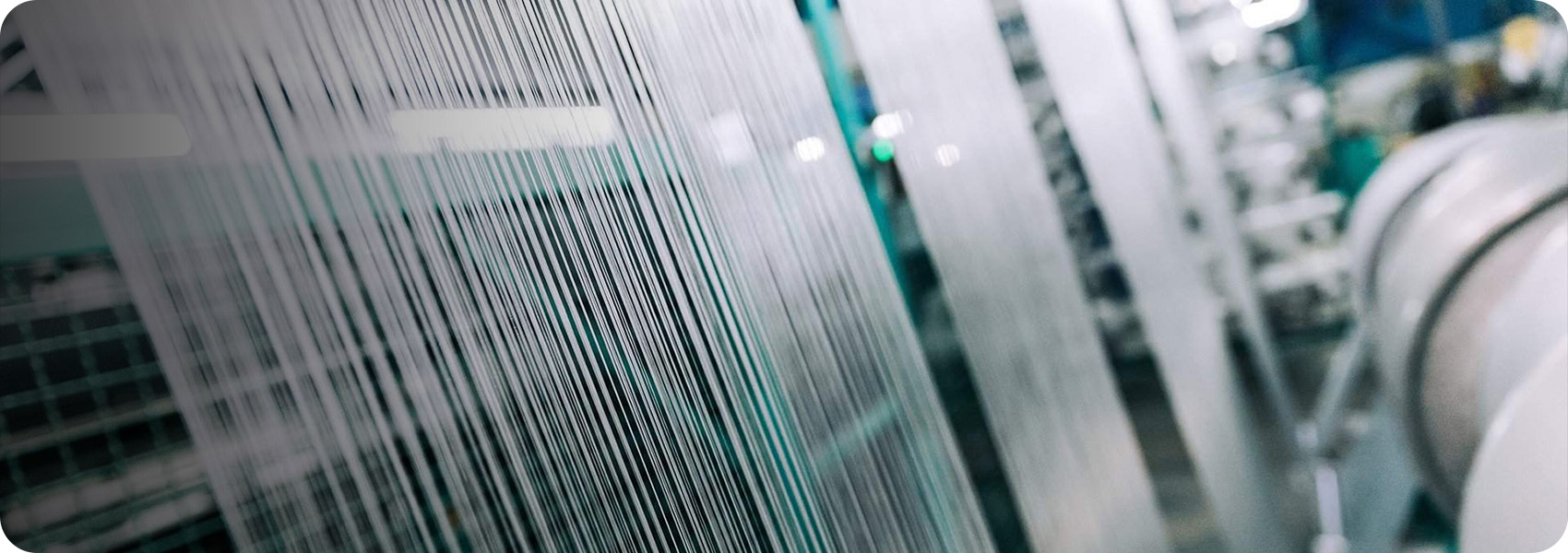
From yarn to fabric. At Xiangyi, we stitch quality into every seam, crafting sofa fabric that goes beyond decor—it embodies your home’s unique style.
PRODUCT

+86-18262539999(Meng Lin)