 English
 中文简体
中文简体
 عربى
عربى
Industry News
 By Admin
Content
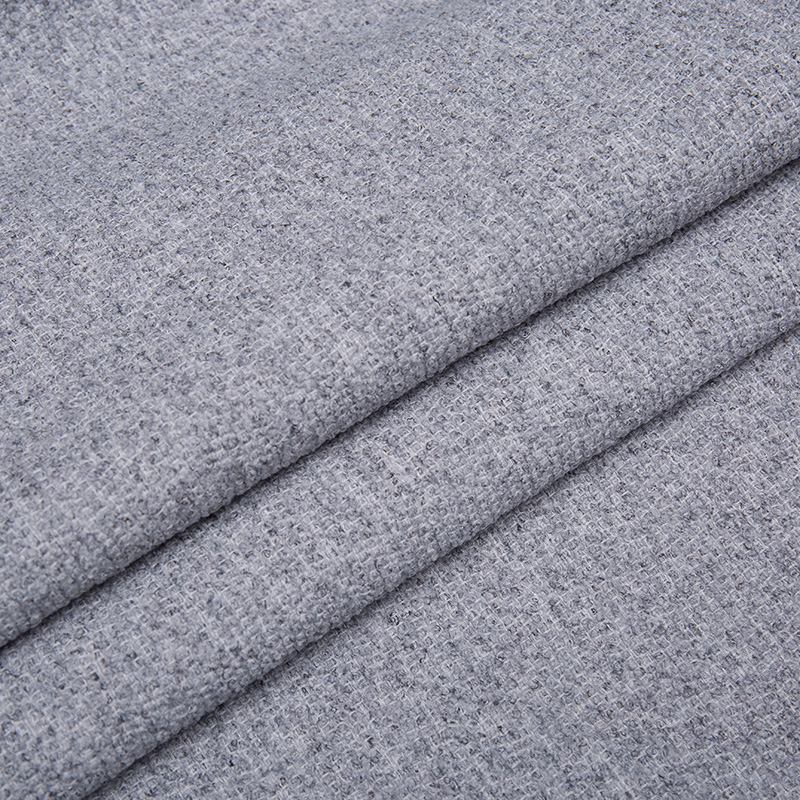
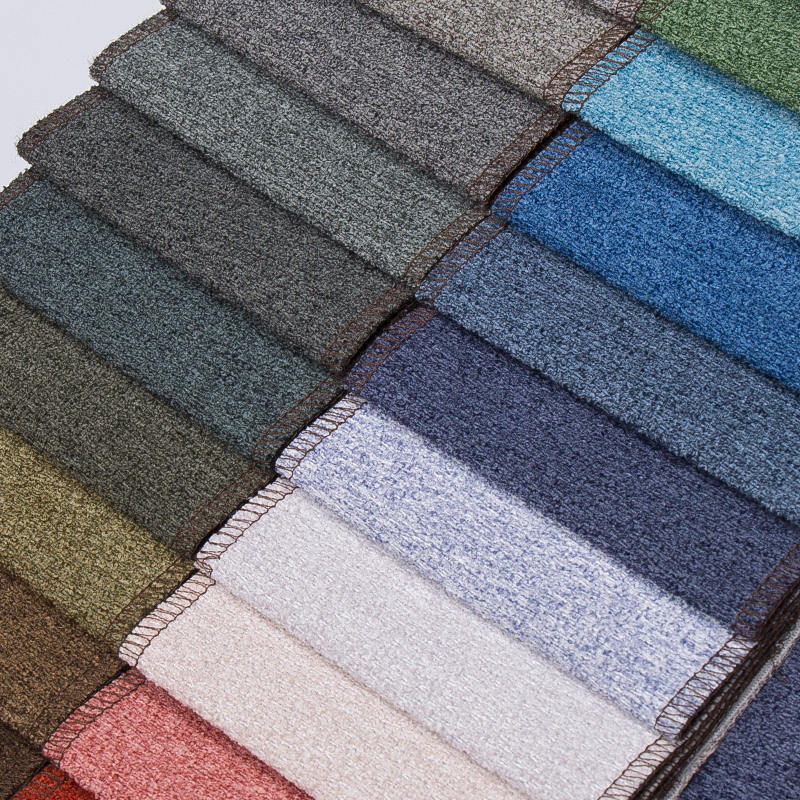
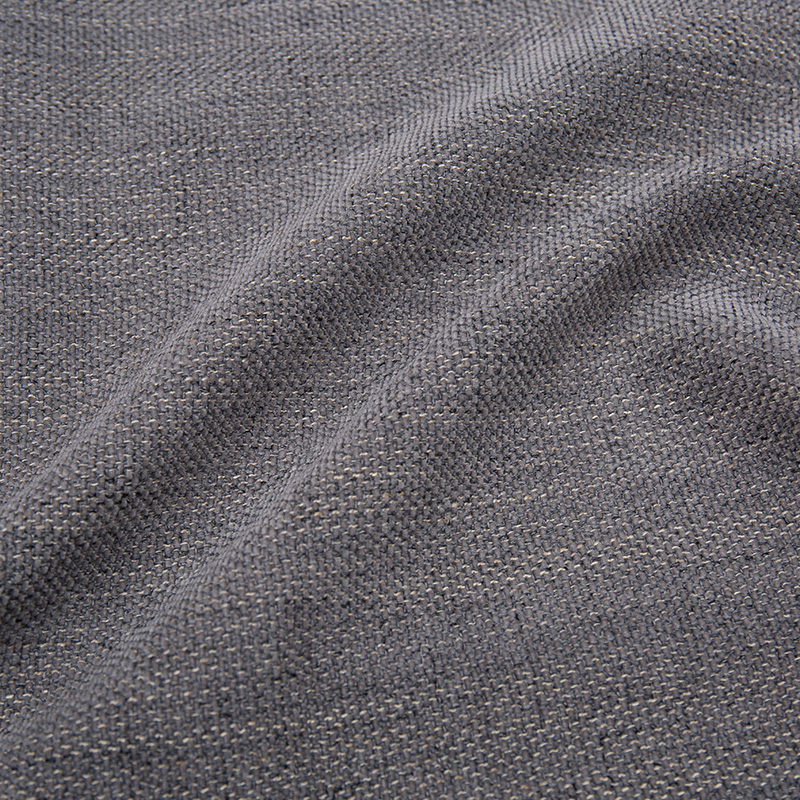
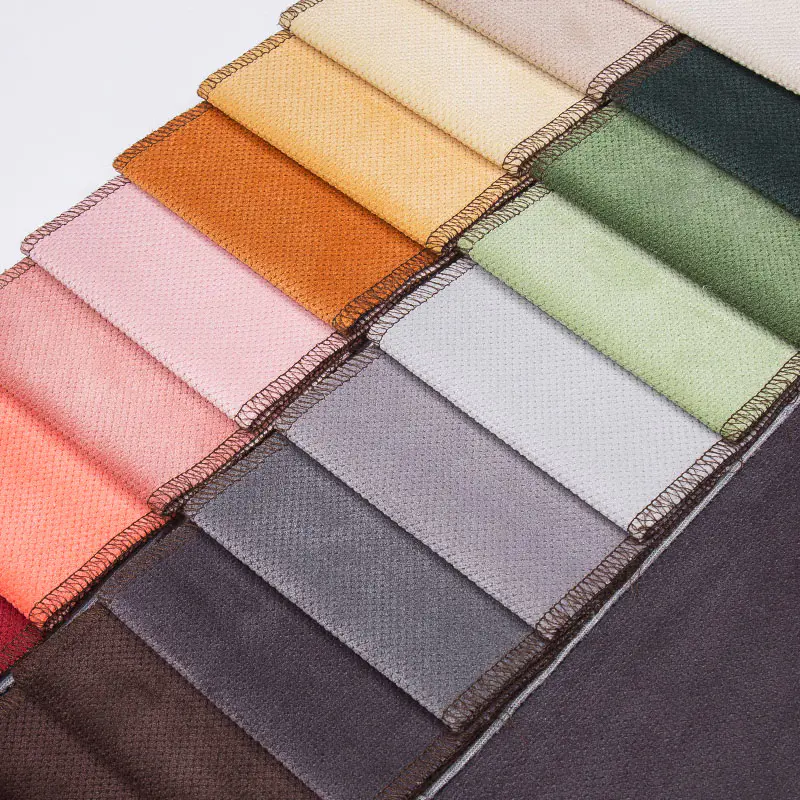
Touch a brushed sofa fabric and you'll understand instantly why it has become the default choice for mid-market residential upholstery worldwide. The surface is warm, slightly napped, and has a suede-like quality that feels more expensive than it is. But choosing the right brushed sofa fabric involves more than trusting your fingertips — fiber content, construction method, and maintenance habits all determine whether that softness lasts three years or fifteen.
Brushing is a mechanical finishing process. The base fabric — most commonly polyester, or a polyester-viscose blend — passes through a machine fitted with fine wire rollers that lift and align the surface fibers into a consistent, low-profile nap. The fibers stay connected to the yarn structure rather than being cut free, which is what separates brushed fabric from cut-pile constructions like velvet.
The result is a flatter, more integrated texture that sits close to the weave. This has practical advantages: brushed fabric is easier to clean than deep-pile fabrics because dirt and pet hair don't penetrate as far, and the surface doesn't show directional marks from wiping or sitting. Manufacturers like Xiangyi Textile's brushed sofa fabric line specifically engineer these properties for durability in everyday residential environments.
Most soft brushed fabric for sofas today is polyester or a polyester-viscose blend. Polyester accepts the mechanical brushing process exceptionally well — the filaments raise into an even nap without the fiber loss that plagues natural fibers like cotton during the same treatment. Polyester also resists fading from UV exposure and holds color more consistently over time.
Polyester-viscose blends add a subtle luster and a slightly heavier drape that looks closer to natural fiber. The trade-off is that viscose is more moisture-sensitive, so blended fabrics require more careful cleaning. For households with pets or young children, a higher-polyester content (85% or above) offers better day-to-day resilience.
| Fiber Type | Softness | Durability | Best For |
|---|---|---|---|
| 100% Polyester | Good | Excellent | High-traffic family rooms, pet owners |
| Polyester-Viscose Blend | Excellent | Good | Living rooms, moderate use |
| Polyester-Cotton Blend | Very Good | Good | Bedrooms, accent seating |
Before purchasing any upholstery fabric, check the double rub count. This figure comes from the Wyzenbeek Abrasion Test, where a mechanical arm repeatedly passes heavy canvas over the fabric until two yarns break. Each back-and-forth motion equals one double rub. As a rule of thumb, 3,000 double rubs approximate one year of regular residential use.
For sofas that see daily use, a minimum of 15,000 double rubs is the accepted threshold — at that rating, sitting four times per day every day for a decade won't produce visible wear. Family rooms with kids or pets should aim for 25,000–30,000 double rubs. Quality brushed polyester upholstery typically falls in the 20,000–30,000 range, placing it firmly in the performance residential category without the premium pricing of technical weaves.
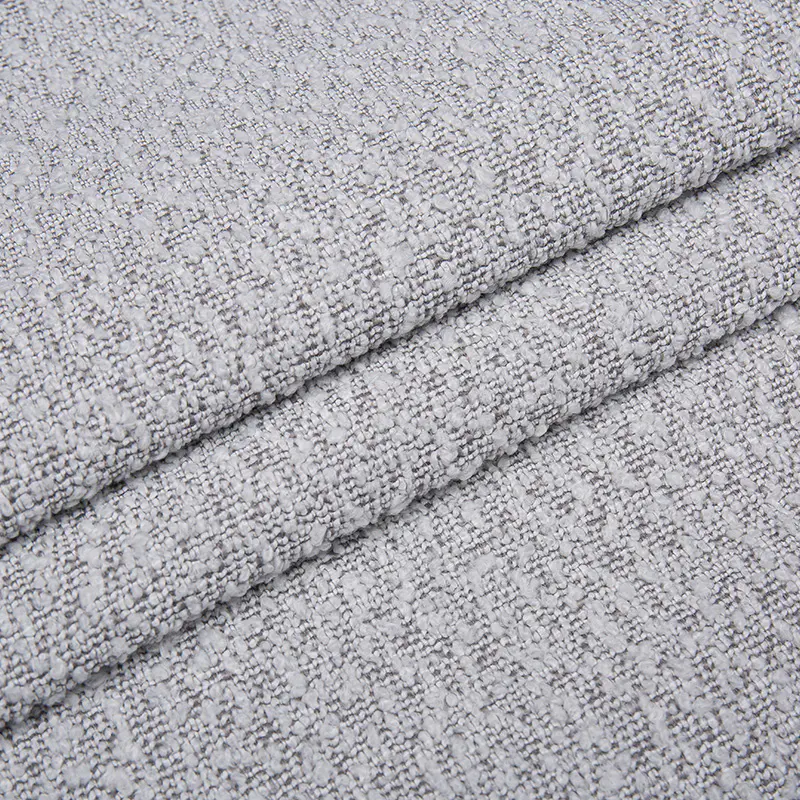
Chenille offers a deeper, more textured pile and a visually richer appearance, but the looped yarn structure catches crumbs and pet hair more readily. For buyers who want comparable softness with simpler upkeep, brushed fabric is the more practical choice. You can explore chenille fabric options if visual depth and a plush hand feel are the priority.
Jacquard fabrics bring intricate woven patterns and a formal aesthetic, but the raised pattern structure can snag more easily in active households. Brushed fabric wins on uniformity and ease of maintenance. If your design direction requires pattern and texture together, combining a brushed base with jacquard accent cushions is a common workaround — the guide on combining sofa fabric types covers this approach in detail.
Brushed fabric is forgiving to clean, but a few habits accelerate deterioration. Aggressive rubbing realigns the nap unevenly and can eventually create bald patches. Always blot spills by pressing a clean cloth directly onto the stain and lifting it away — never drag it across the surface.
A complete maintenance routine is covered in the brushed sofa fabric care guide, including how to handle stubborn stains without damaging the surface finish.
Not all brushed fabrics are manufactured to the same standard. For B2B buyers and upholstery manufacturers, fiber composition verification matters: request a specification sheet that lists yarn denier, pile weight (GSM), and abrasion test results before ordering. Inconsistent GSM across a production run is one of the most common quality complaints in mid-market brushed fabric sourcing.
For end consumers, the most reliable approach is to request a fabric sample and test it yourself. Rub the sample firmly with a damp cloth and check whether the color transfers or the fiber structure loosens. A well-constructed brushed polyester fabric will show neither. The comparison between brushed and regular fabric performance provides a useful reference for evaluating samples side by side.
Brushed sofa fabric earns its dominant position in residential upholstery not through novelty but through consistent performance. The warmth is immediate, the maintenance is manageable, and when the construction quality is right, the durability outlasts most of the alternatives at the same price point.

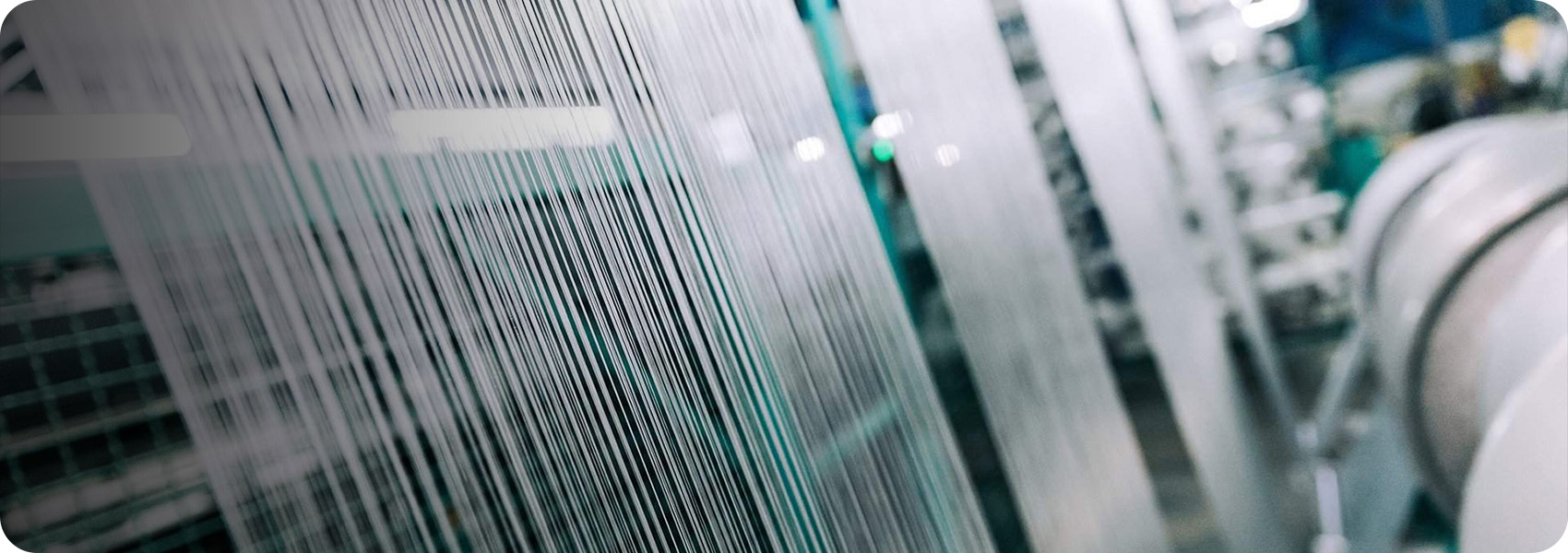
From yarn to fabric. At Xiangyi, we stitch quality into every seam, crafting sofa fabric that goes beyond decor—it embodies your home’s unique style.
PRODUCT

+86-18262539999(Meng Lin)