 English
 中文简体
中文简体
 عربى
عربى
Industry News
Home / News / Industry News / Cotton Chenille Fabric Combined with Modern Materials: Practical Uses, Care, and Buying Guide
 By Admin
Content
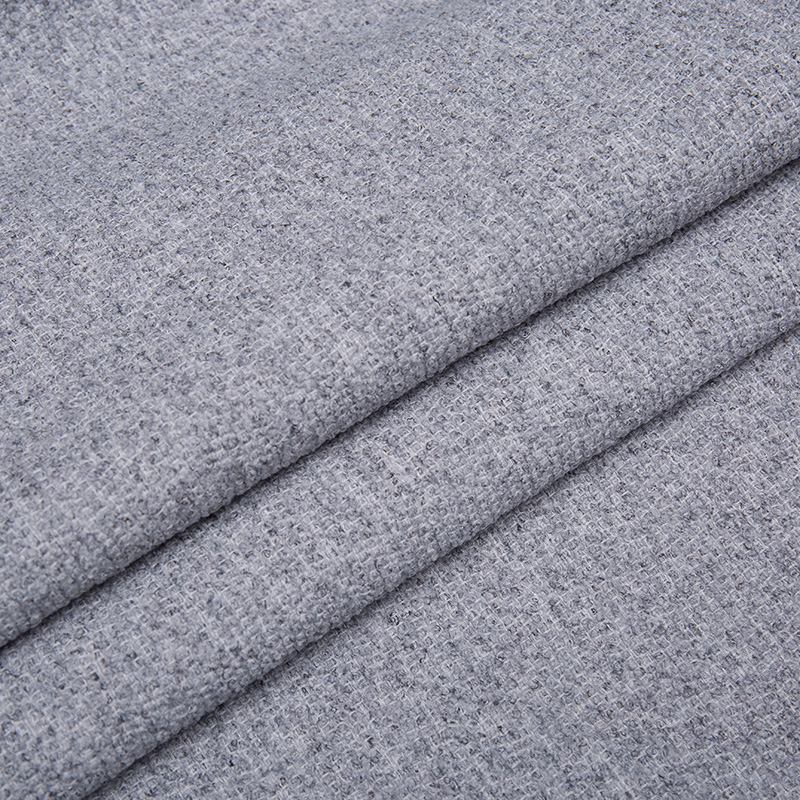
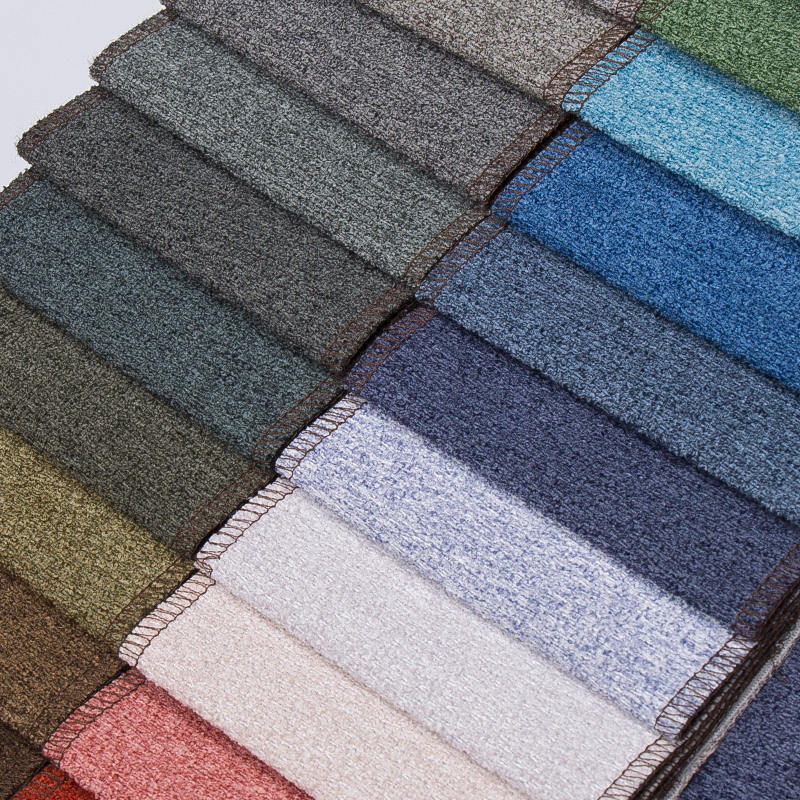
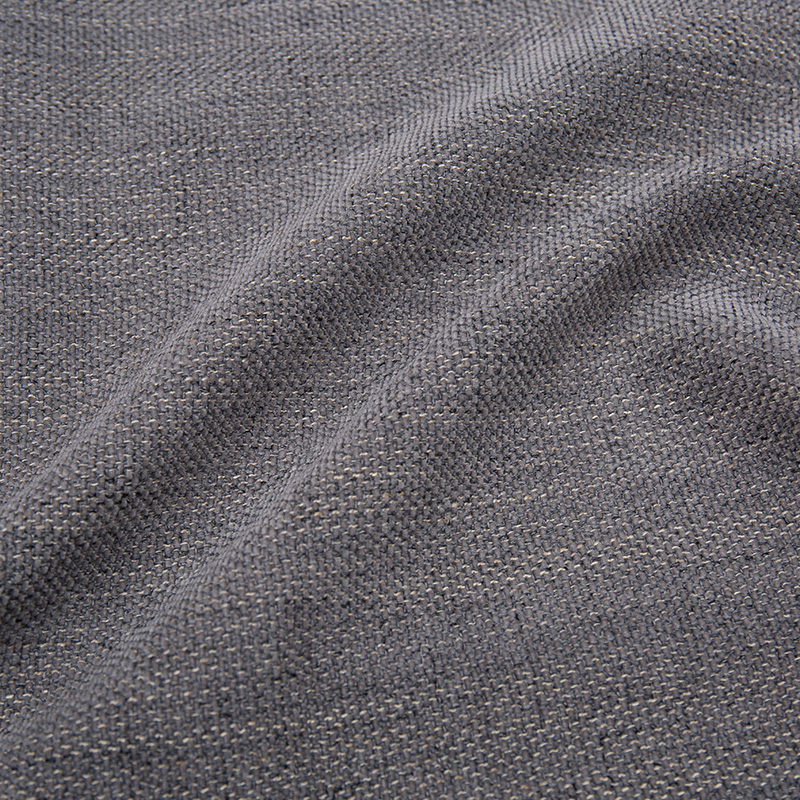
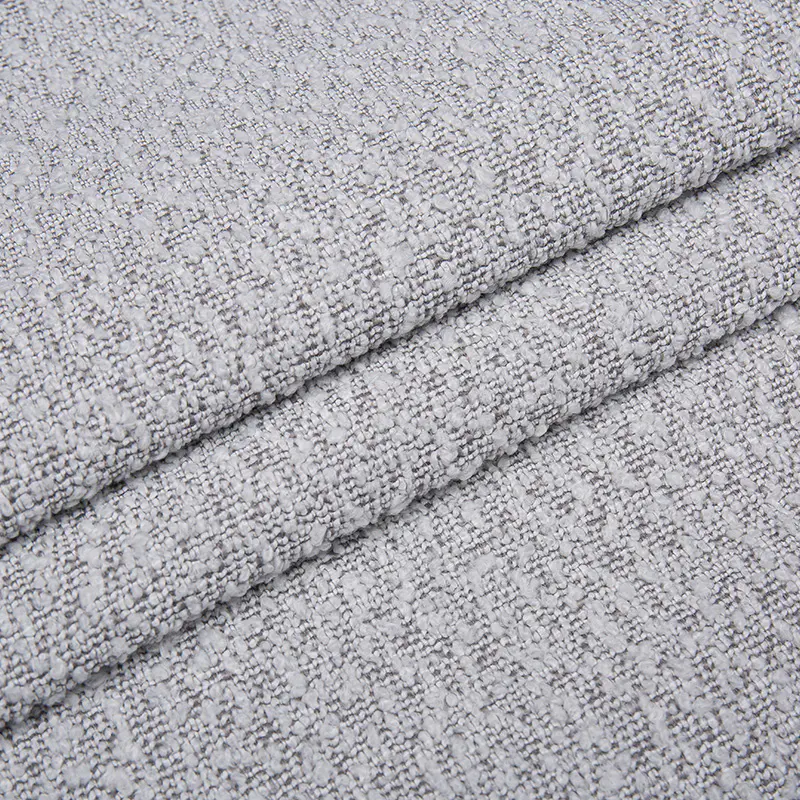
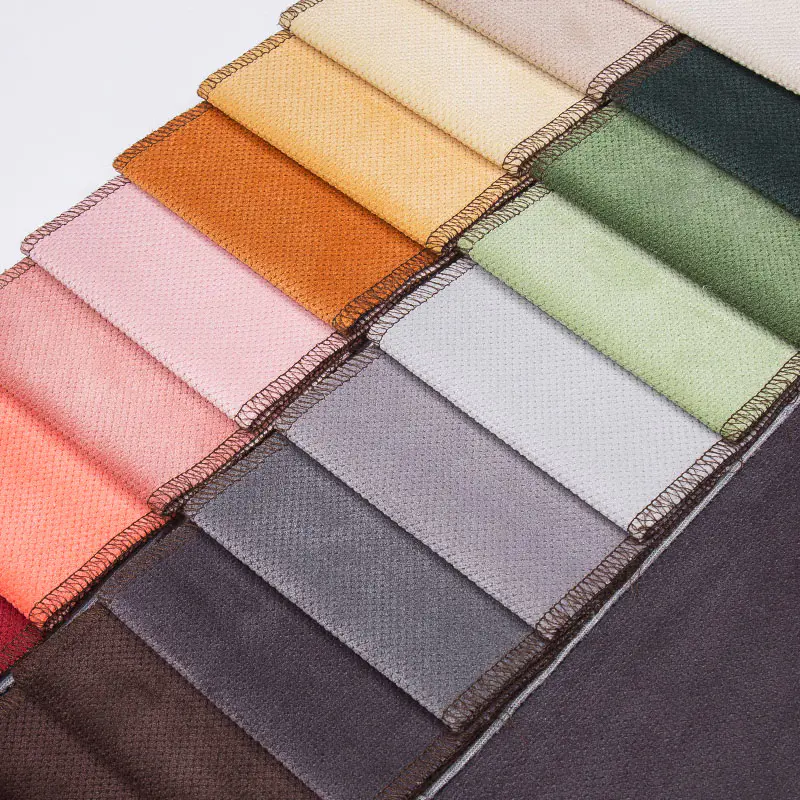
Cotton chenille fabric is widely known for its soft pile texture, warmth, and visual depth. When combined with other fibers or backing materials, its performance expands beyond traditional uses. This article focuses on how cotton chenille fabric combined with modern materials improves durability, comfort, and functionality for upholstery, home textiles, and apparel. The goal is to provide practical, construction-level insight for buyers, designers, and manufacturers.
Chenille fabric is defined by its yarn structure rather than fiber content. Cotton chenille uses short lengths of cotton fibers twisted between two core yarns, then cut to create a plush surface. This structure delivers softness but also introduces challenges such as abrasion sensitivity and pile flattening. Combining cotton chenille fabric with other materials helps resolve these limitations while maintaining its tactile appeal.
In blended constructions, cotton chenille often serves as the face yarn, while secondary fibers reinforce strength, elasticity, or moisture control. This approach allows manufacturers to target specific end uses such as chenille upholstery fabric or cotton chenille bedding.
Pure cotton chenille offers comfort but lacks performance consistency under heavy use. Fiber blending solves this by enhancing mechanical and environmental resistance. The right combination improves longevity without sacrificing softness.
Different fiber blends address different performance needs. Below are the most common cotton chenille fabric combinations used in commercial and residential products.
| Cotton + Polyester | Improved durability, wrinkle resistance, cost efficiency | Chenille sofa fabric, hotel upholstery |
| Cotton + Rayon | Enhanced drape, silk-like softness | Decorative pillows, throws |
| Cotton + Acrylic | Colorfastness, resistance to fading | Outdoor-adapted chenille textiles |
| Cotton + Spandex | Stretch recovery, shape retention | Apparel and fitted home textiles |
Beyond fiber blending, cotton chenille fabric is often laminated or woven with supportive backing layers. These layers stabilize the pile and prevent stretching or tearing during use.
Woven backings use polyester or cotton canvas to support chenille yarns. This construction is common in chenille upholstery fabric designed for sofas and armchairs. It prevents seam slippage and improves weight distribution across furniture frames.
Non-woven backings are bonded using heat or adhesive. They are lightweight and cost-effective, making them suitable for decorative applications like wall panels or headboards.
When cotton chenille fabric is combined with synthetic fibers or reinforced backings, it becomes suitable for heavy-use furniture. Blended chenille sofa fabric offers comfort without rapid wear.
Cotton chenille bedding benefits from blends that manage weight and washing performance. Combining cotton chenille with polyester reduces shrinkage and improves drying time, which is critical for blankets and bedspreads.
These blended fabrics maintain softness while meeting practical household care standards. For consumers, this means less maintenance without sacrificing comfort.
When selecting cotton chenille fabric combined with other materials, evaluating technical specifications is essential. Appearance alone does not indicate long-term performance.
Proper care extends the lifespan of cotton chenille fabric combinations. While blends are more forgiving than pure cotton chenille, maintenance practices still matter.
Vacuum upholstery regularly using a soft brush attachment. For bedding and throws, wash on gentle cycles with mild detergents. Avoid high heat, as it can damage both cotton fibers and synthetic components.
For textile designers and manufacturers, combining cotton chenille fabric with other materials requires balancing cost, performance, and consumer expectations. Yarn twist, pile height, and blend ratio directly affect fabric behavior.
Testing blended chenille fabrics under real-use simulations ensures consistency. This is particularly important for large-scale furniture or hospitality projects where replacement costs are high.
Cotton chenille fabric combined with complementary fibers or structural backings delivers a balanced solution for modern textile demands. These combinations preserve the signature softness of chenille while addressing durability, care, and cost concerns. Whether used in chenille upholstery fabric, bedding, or decorative textiles, blended constructions offer measurable advantages for both consumers and professionals.

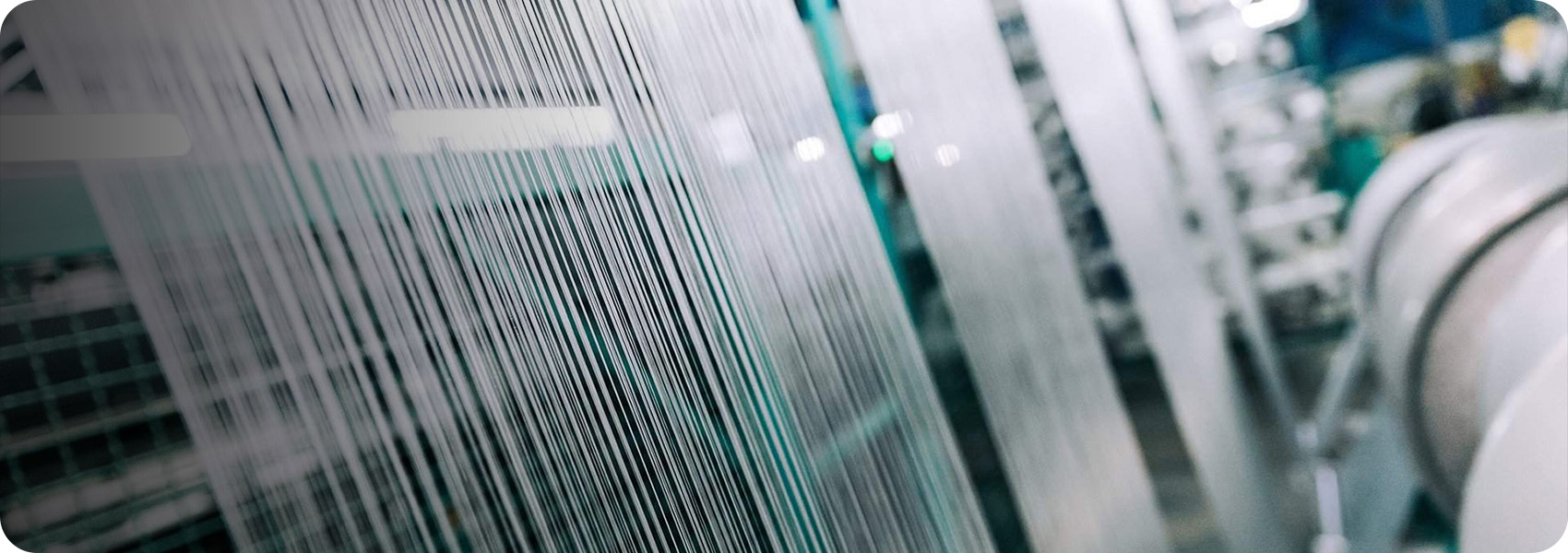
From yarn to fabric. At Xiangyi, we stitch quality into every seam, crafting sofa fabric that goes beyond decor—it embodies your home’s unique style.
PRODUCT

+86-18262539999(Meng Lin)