 English
 中文简体
中文简体
 عربى
عربى
Industry News
Home / News / Industry News / How does the thread count or denier of Polyester Imitation Linen Fabric affect its appearance?
 By Admin
Content
To grasp how Polyester Imitation Linen Fabric achieves its look, one must first understand the distinct roles of denier and thread count. These are not interchangeable terms; they measure fundamentally different aspects of the fabric's construction that work in tandem to create the final aesthetic. Denier refers to the thickness or fineness of the individual filaments that make up the polyester yarn. A lower denier number (e.g., 75D) indicates a finer, softer, and often more drapeable yarn, while a higher denier (e.g., 300D) signifies a thicker, heavier, and more robust yarn. This directly influences the fabric's hand feel and its ability to mimic the slubbed, slightly irregular texture of real linen. Thread Count (TC), expressed as threads per square inch, measures the density of the weave—how many warp and weft yarns are packed into a given area. While a higher thread count in traditional cotton often means smoother sheets, in imitation linen, a careful balance is key to simulating linen's characteristic open, breathable, and textured weave.
The selection of denier is the primary sculptor of the fabric's texture and body. Designers use specific denier combinations to engineer the desired visual and tactile outcome.
Fabrics woven with finer denier yarns produce a smoother surface with a softer, more fluid drape. The texture is subtler, with less pronounced slubbing. This grade is often chosen for apparel, lightweight curtains, or table linens where a more refined, less rustic linen look is desired. The drape is elegant and flowing, closely mimicking high-quality, well-worn natural linen.
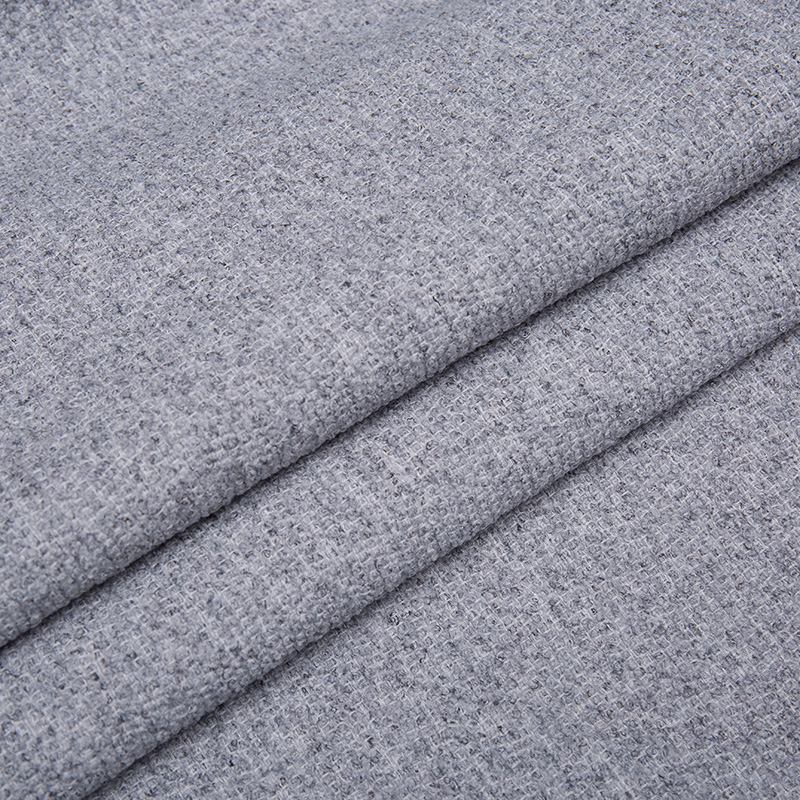
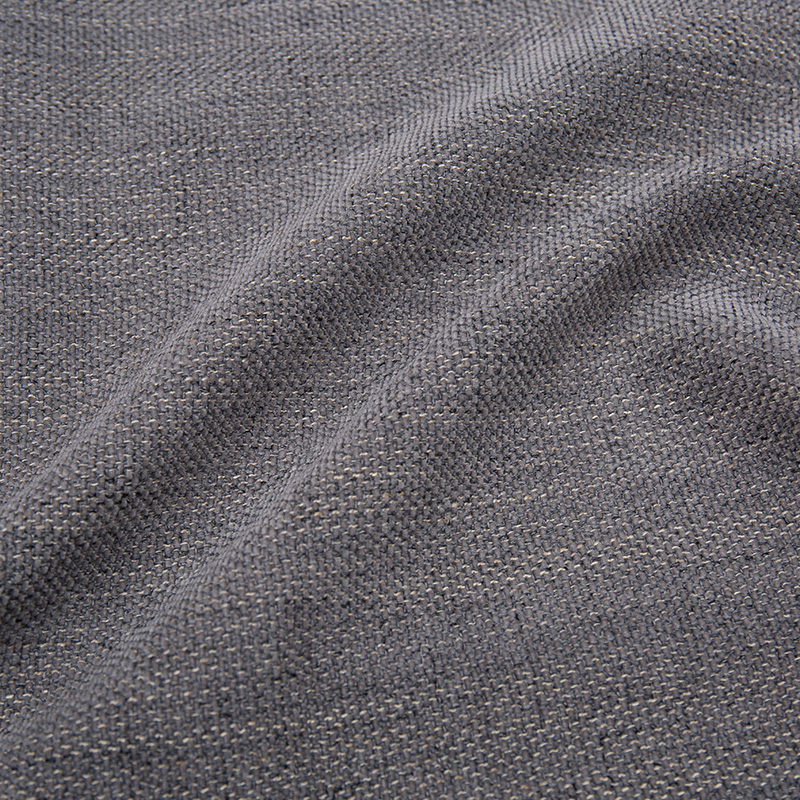
This is where the classic, rustic linen aesthetic is born. Thicker yarns, especially when intentionally textured or uneven during spinning, create a more prominent slubbed effect. The fabric has a more substantial hand feel, greater body, and a structured drape that holds folds and pleats beautifully. This makes it ideal for upholstery, heavy-duty drapery, and home decor items where a pronounced texture and durability are paramount. The visual depth and shadow play created by the thicker yarns are central to achieving an authentic linen-like appearance.
While denier dictates the yarn's character, thread count controls how those yarns are assembled, affecting the fabric's density, opacity, and overall surface detail.
Authentic linen often has a relatively low thread count, contributing to its slightly open weave and breathability. Polyester Imitation Linen Fabric successfully replicates this by maintaining a moderate thread count. This allows:
An excessively high thread count with thick denier yarns would create a board-like, plasticky feel, losing the essential linen character.
Thread count is adjusted for end-use. A slightly higher count within the moderate range may be used for upholstery to improve durability and abrasion resistance, while a lower count might be preferred for sheer curtains to maximize light diffusion and airiness.
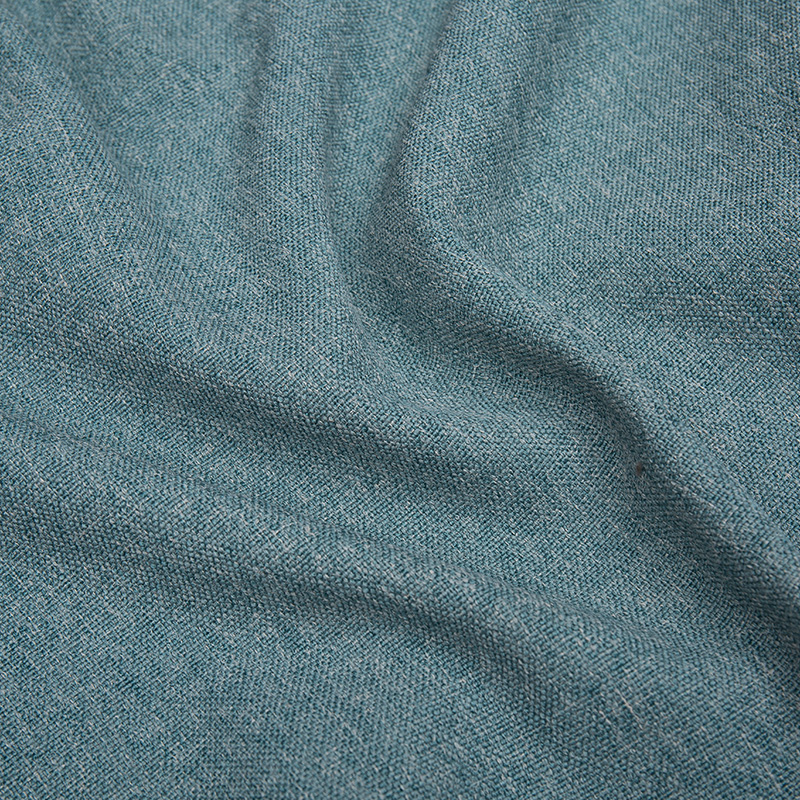
Understanding this interplay allows for informed material selection. The following table outlines how different combinations typically manifest:
| Denier Range | Thread Count Range | Resulting Appearance & Feel | Ideal Applications |
|---|---|---|---|
| Fine (75D-100D) | Moderate-High (140-180 TC) | Smooth, soft, fluid drape. Minimal slub. Elegant, refined look. | Blouses, lightweight summer dresses, delicate curtains, table runners. |
| Medium (150D-200D) | Moderate (120-150 TC) | Classic linen look. Clearly visible slub texture. Balanced drape and body. | Drapery, slipcovers, cushion covers, casual apparel, room dividers. |
| Heavy (250D-300D+) | Low-Moderate (90-130 TC) | Pronounced, rustic texture. Sturdy, structured drape. Substantial hand feel. | Upholstery, heavy-duty drapes, ottoman covers, decorative pillows, bags. |
The ultimate goal is to replicate linen's inherent irregularity. This is not achieved by denier and thread count alone. Manufacturers employ advanced texturing techniques on the polyester yarns themselves:
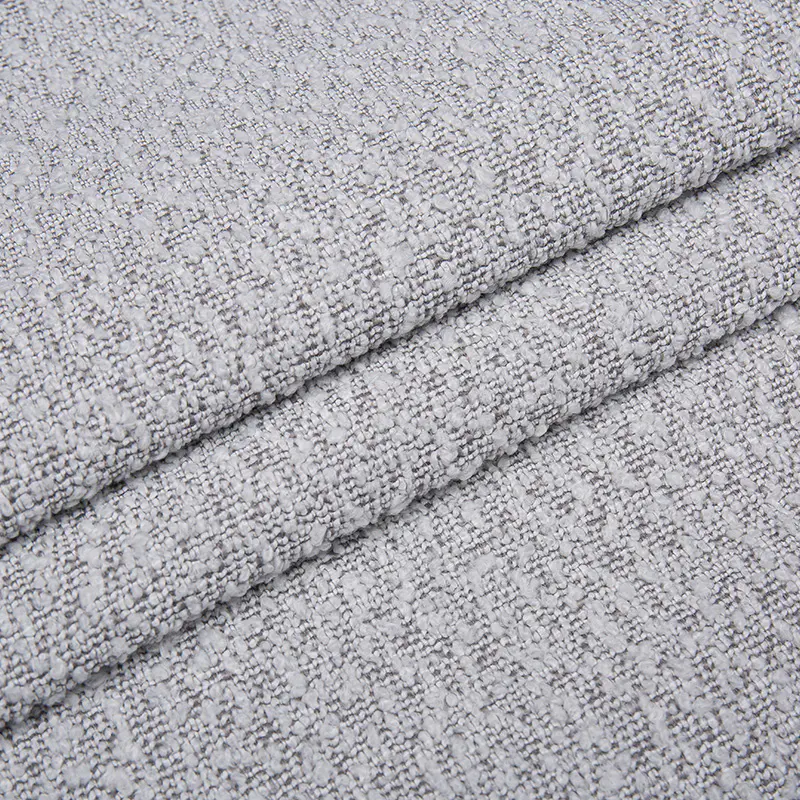
The chosen denier and thread count provide the canvas, but these texturing techniques add the master strokes that make the imitation convincing. A high-denier yarn with injected slubs, woven at a moderate thread count, will yield a far more authentic result than a smooth, uniform yarn of the same specification.
Specifying Polyester Imitation Linen Fabric by weight (GSM) alone is insufficient. Asking a supplier for details on the dominant denier and the approximate thread count provides critical insight into the final product's character. For a project requiring a drapey, elegant curtain, a fine denier with a moderate count is key. For a rustic, textured sofa cover, a high denier with slub effect and a lower count is essential. By decoding these technical aspects, designers, decorators, and makers can move beyond guesswork, selecting the precise fabric that delivers both the intended aesthetic and functional performance, ensuring the finished piece looks authentically linen and performs durably as polyester.

From yarn to fabric. At Xiangyi, we stitch quality into every seam, crafting sofa fabric that goes beyond decor—it embodies your home’s unique style.
PRODUCT

+86-18262539999(Meng Lin)