 English
 中文简体
中文简体
 عربى
عربى
Industry News
 By Admin
Content
Jacquard fabric is a type of textile distinguished by its complex, woven patterns created directly on the loom. Unlike printed fabrics, Jacquard textiles feature designs that are integral to the fabric structure, resulting in durability and intricate detailing. Named after Joseph Marie Jacquard, who invented the Jacquard loom in 1804, this fabric allows precise control over each warp thread, enabling the creation of elaborate motifs.
The defining characteristic of Jacquard fabric lies in its weaving method. The Jacquard loom uses a series of punched cards or modern digital controls to raise and lower individual warp threads. This mechanism enables intricate patterns such as florals, geometric shapes, damasks, and brocades. Understanding the weaving process can help in choosing the right fabric for specific applications.
Jacquard weaving requires precise control of both warp (vertical threads) and weft (horizontal threads). This control allows the creation of complex patterns that can be symmetrical or asymmetrical. Manufacturers often combine multiple yarn types, including cotton, silk, or synthetic fibers, to achieve variations in texture, sheen, and durability.
Common Jacquard patterns include:
Jacquard fabrics are versatile and suitable for both fashion and interior design. Their durability and decorative appeal make them ideal for a variety of uses where aesthetics and strength are equally important.
In fashion, Jacquard fabric is often used for high-end garments like dresses, suits, and jackets. Its intricate patterns and texture allow designers to create luxurious clothing without additional embellishments. Jacquard can also be blended with stretch fibers to enhance comfort while maintaining visual appeal.
In interior design, Jacquard fabrics are preferred for curtains, upholstery, and decorative cushions. The structural strength of woven patterns ensures longevity even with frequent use. Jacquard is also ideal for bedding and table linens, providing elegance and functionality simultaneously.
Selecting the appropriate Jacquard fabric requires attention to fiber composition, weight, and intended use. These factors influence drape, durability, and ease of care.
Jacquard can be made from natural fibers like cotton, silk, or wool, as well as synthetic fibers such as polyester and nylon. Natural fibers offer breathability and softness, whereas synthetic options provide resistance to wrinkles and fading. Many fabrics are blended to combine the advantages of both types.
Heavier Jacquard fabrics are suitable for upholstery and structured garments, while lighter options are preferred for dresses and blouses. Evaluating the weight and drape ensures the fabric aligns with the functional and aesthetic goals of a project.
Proper care extends the life of Jacquard fabrics while maintaining their intricate patterns. Care instructions vary depending on fiber type and fabric weight.
Lightweight cotton or polyester Jacquard can often be machine washed on gentle cycles, whereas silk and wool variants require hand washing or dry cleaning. Avoid high heat during drying, as it can distort the woven patterns or shrink the fibers.
Iron Jacquard fabrics on low to medium heat, using a pressing cloth to protect delicate fibers. Store folded or rolled in a cool, dry place to prevent creasing or mold formation. For upholstery, rotate cushions regularly to ensure even wear and reduce fading.
The table below summarizes common Jacquard types, their fiber content, typical applications, and characteristics:
| Type | Fiber Composition | Typical Use | Key Features |
| Damask | Cotton, Silk | Table linens, draperies | Reversible, subtle texture contrast |
| Brocade | Silk, Polyester blends | Evening wear, ceremonial garments | Raised patterns, often metallic |
| Tapestry | Cotton, Wool, Synthetic blends | Wall hangings, upholstery | Pictorial designs, dense weave |
| Matelassé | Cotton, Blends | Bedding, Jackets | Quilted appearance, textured |
Jacquard fabric represents a fusion of artistry and technical weaving skill. Its patterns are woven directly into the fabric, providing durability and intricate beauty. By understanding the different types, applications, and care requirements, designers, tailors, and consumers can make informed choices that maximize both aesthetic appeal and fabric longevity. Whether for high-fashion garments or home decor, Jacquard remains a timeless choice for quality and elegance.

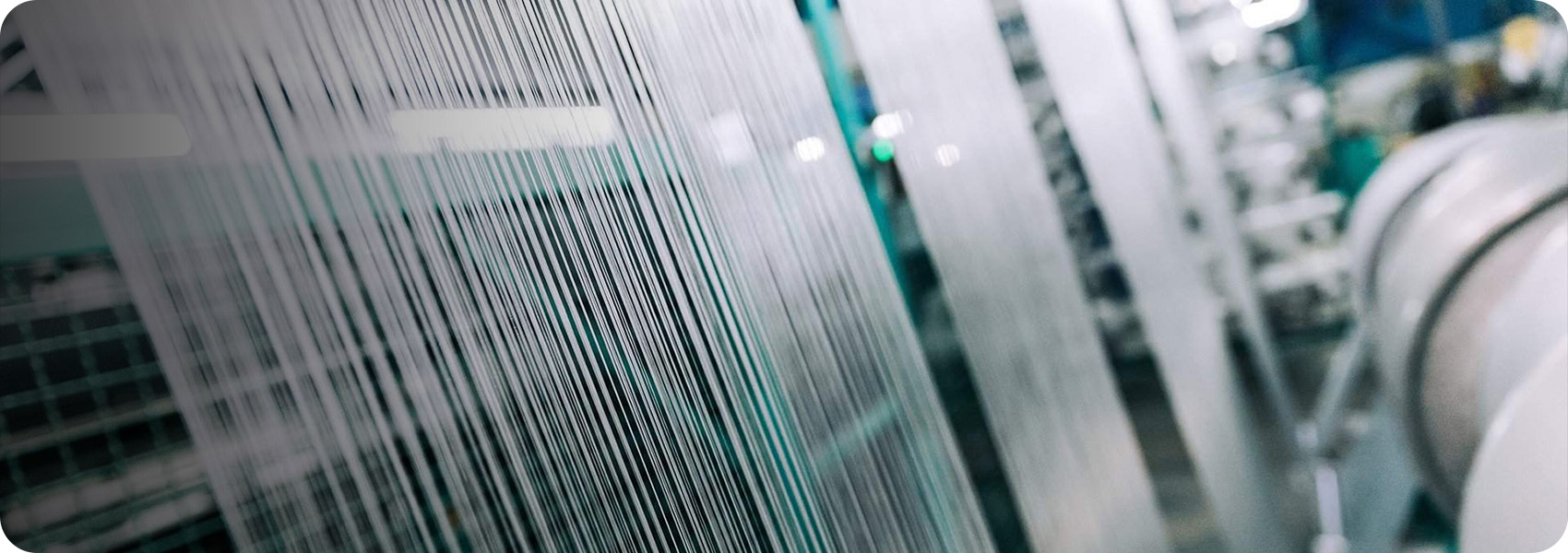
From yarn to fabric. At Xiangyi, we stitch quality into every seam, crafting sofa fabric that goes beyond decor—it embodies your home’s unique style.
PRODUCT

+86-18262539999(Meng Lin)