 English
 中文简体
中文简体
 عربى
عربى
Industry News
 By Admin
Content
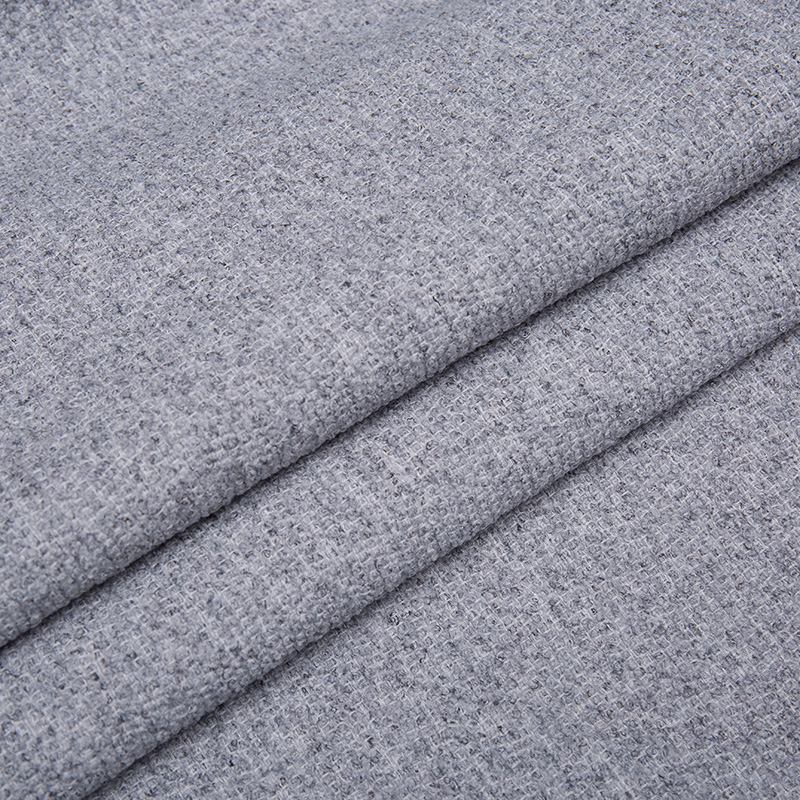
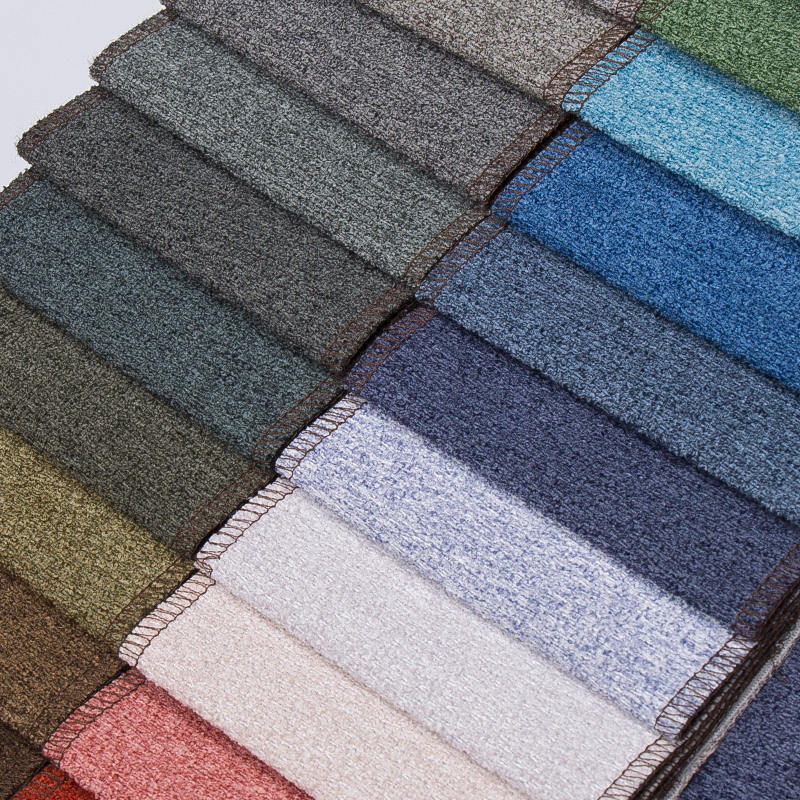
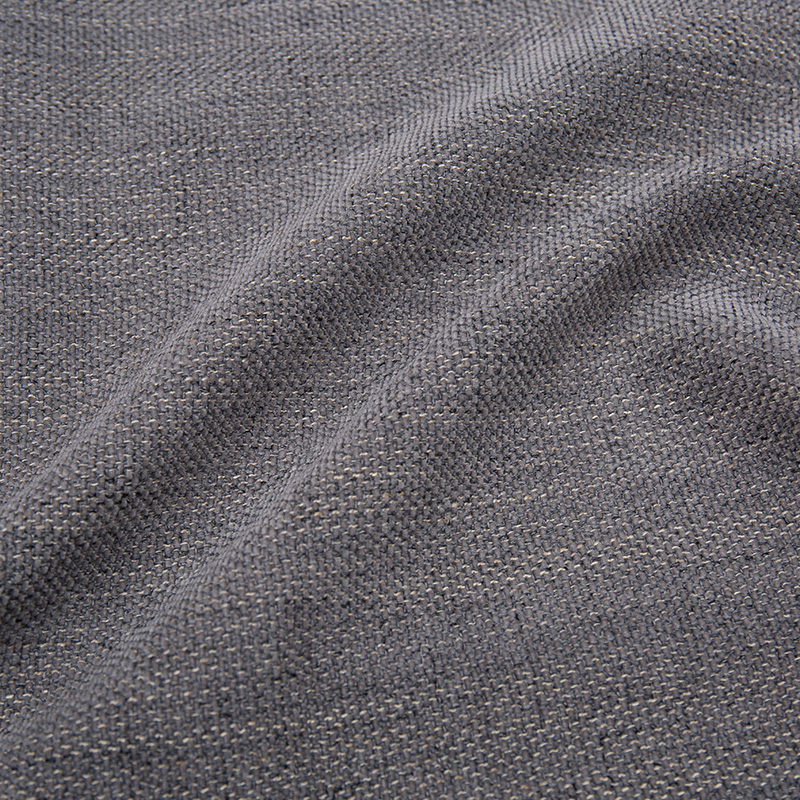
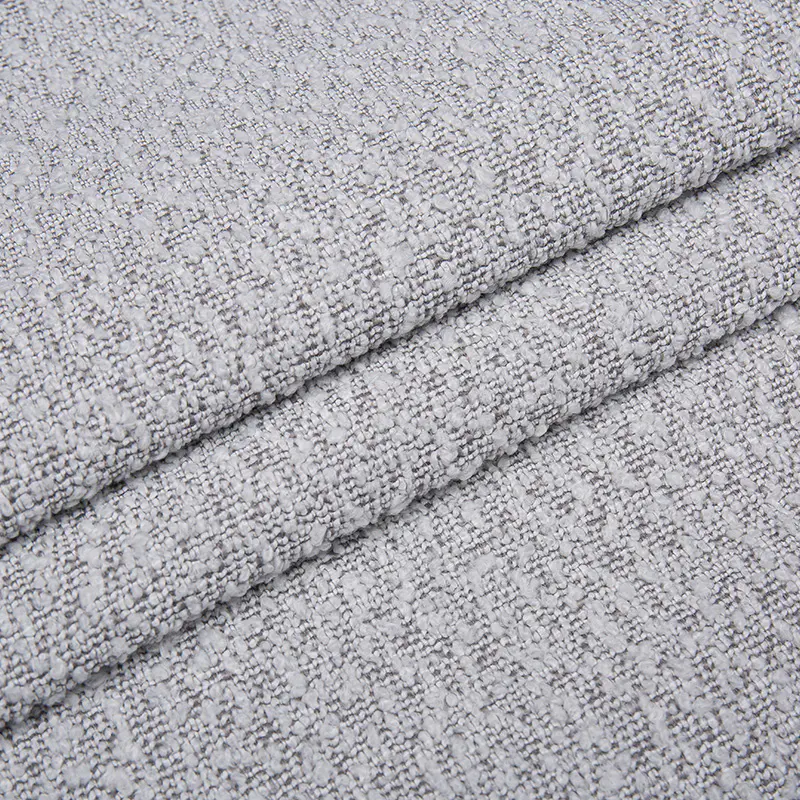
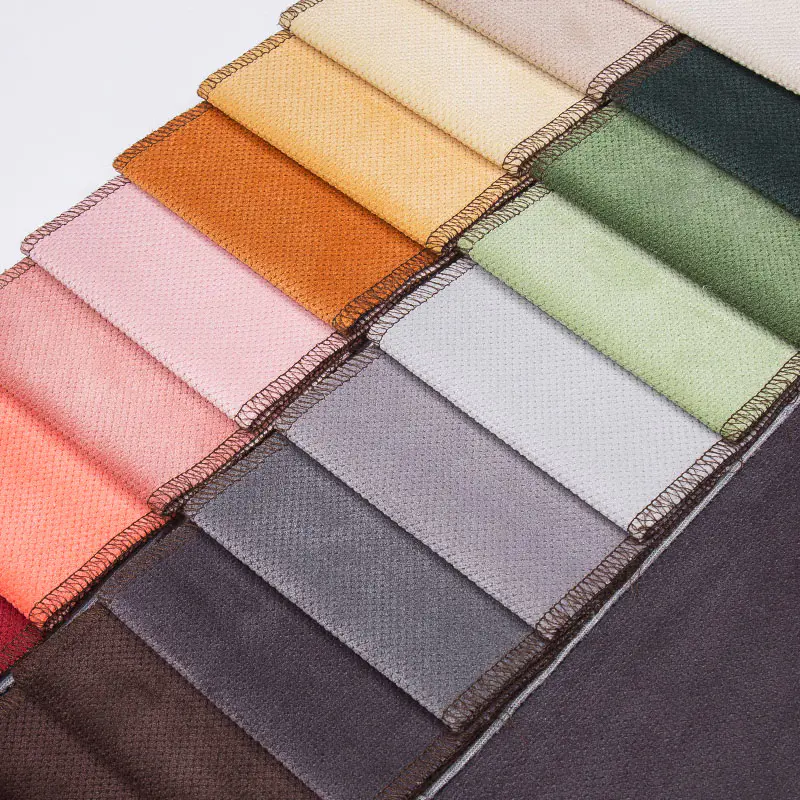
Jacquard fabric has a distinctly textured, slightly raised surface that sets it apart from plain woven textiles. Running your fingers across it, you feel the pattern itself — ridges, loops, and varying densities woven directly into the cloth rather than printed on top. The tactile experience ranges from subtly dimensional to richly sculptural, depending on the fiber content and weave complexity.
The overall hand feel is typically firm yet smooth. Unlike embroidery, which sits on top of a base fabric, jacquard patterns are structurally integrated — so the texture is consistent throughout the cloth and doesn't snag or pill the way surface decorations can.
The fiber used in a jacquard weave dramatically influences how soft, stiff, or luxurious it feels against the skin.
Understanding jacquard's texture is easier when placed alongside familiar fabrics.
| Fabric | Surface Texture | Weight Feel | Drape |
|---|---|---|---|
| Jacquard (silk) | Smooth with raised pattern | Light to medium | Fluid |
| Brocade | Very raised, rigid pattern | Heavy | Stiff |
| Damask | Flat, reversible pattern | Medium | Semi-structured |
| Plain weave cotton | Flat, even | Light | Relaxed |
| Velvet | Dense pile, very soft | Medium to heavy | Drapes heavily |
Note that brocade is technically a type of jacquard — but it uses supplementary weft threads to create its signature relief, making it noticeably heavier and stiffer than standard jacquard weaves.
Comfort depends heavily on the intended use and fiber choice. Lightweight silk or viscose jacquard used in blouses, dresses, and scarves can feel genuinely luxurious against skin — the woven texture adds visual interest without bulk or stiffness. Many wearers describe it as more breathable and less clingy than printed fabrics of equivalent weight.
Heavier jacquard fabrics — typically polyester or cotton blends used in structured jackets, upholstery, or formal wear — are not designed for direct skin contact. These feel sturdy and hold their shape well, but may feel rough at the edges or inside seams if not properly lined.
A key comfort advantage of jacquard over embroidery or screen-printed fabrics: there is no raised thread or ink layer that can crack, peel, or irritate over time. The pattern is woven into the structure, so the surface remains consistent wash after wash.
One of jacquard's most distinctive visual-tactile qualities is its ability to create contrast within a single piece of cloth. Weavers often combine matte and shiny threads — or alternate the direction of warp and weft floats — so that a floral motif appears luminous against a flat background, or vice versa.
Touching these contrast areas reveals a subtle difference in texture:
This duality is what gives jacquard its characteristic dimensional richness — not just visual depth, but a tactile landscape you can map with your fingertips.
Quality jacquard generally holds up well with proper care. Cotton jacquard softens noticeably after repeated washing, developing a more relaxed hand feel while maintaining its pattern definition. Silk jacquard should be hand-washed or dry-cleaned — machine washing can distort the weave structure and reduce its characteristic sheen.
Polyester jacquard is the most resistant to change: it retains its crisp texture and dimensional pattern even after many wash cycles, which is why it dominates in home furnishings and uniform applications where consistency matters.
One thing to watch for: snagging. Because some jacquard weaves use longer thread floats across the surface, sharp objects can catch and pull individual threads, distorting the pattern. This is more common in loosely woven decorative jacquards than in tight apparel-grade constructions.

From yarn to fabric. At Xiangyi, we stitch quality into every seam, crafting sofa fabric that goes beyond decor—it embodies your home’s unique style.
PRODUCT

+86-18262539999(Meng Lin)