 English
 中文简体
中文简体
 عربى
عربى
Industry News
 By Admin
Content
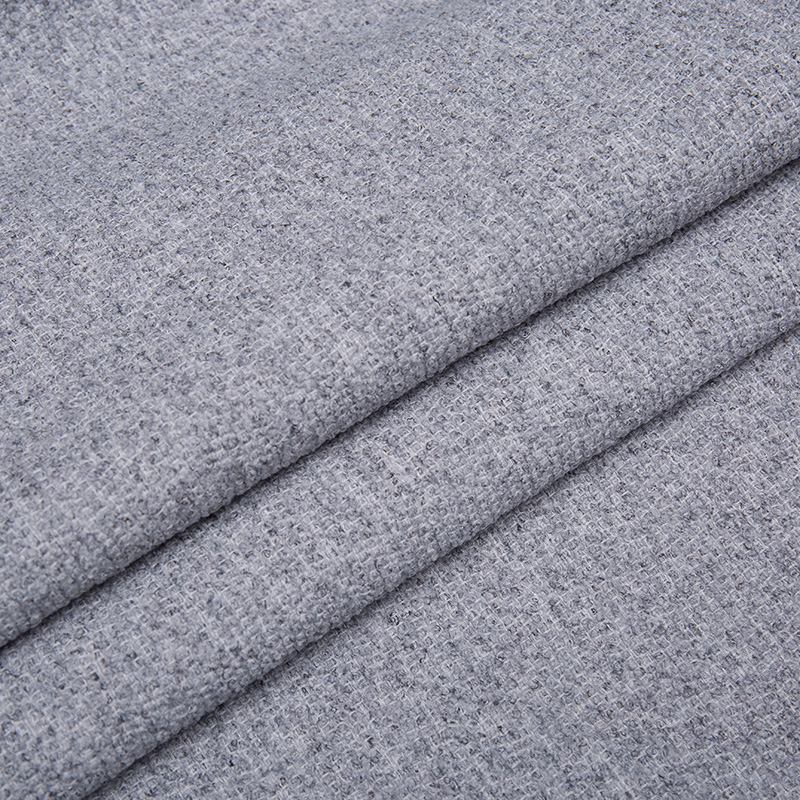
Polyester imitation linen fabric combines the elegant texture of natural linen with the durability and affordability of synthetic fibers. This engineered textile replicates linen's characteristic slub weave and matte finish while eliminating common issues like excessive wrinkling and high maintenance costs. Modern polyester linen-look fabrics cost 40-60% less than genuine linen while offering superior wrinkle resistance and color retention, making them increasingly popular for upholstery, curtains, and garment manufacturing.
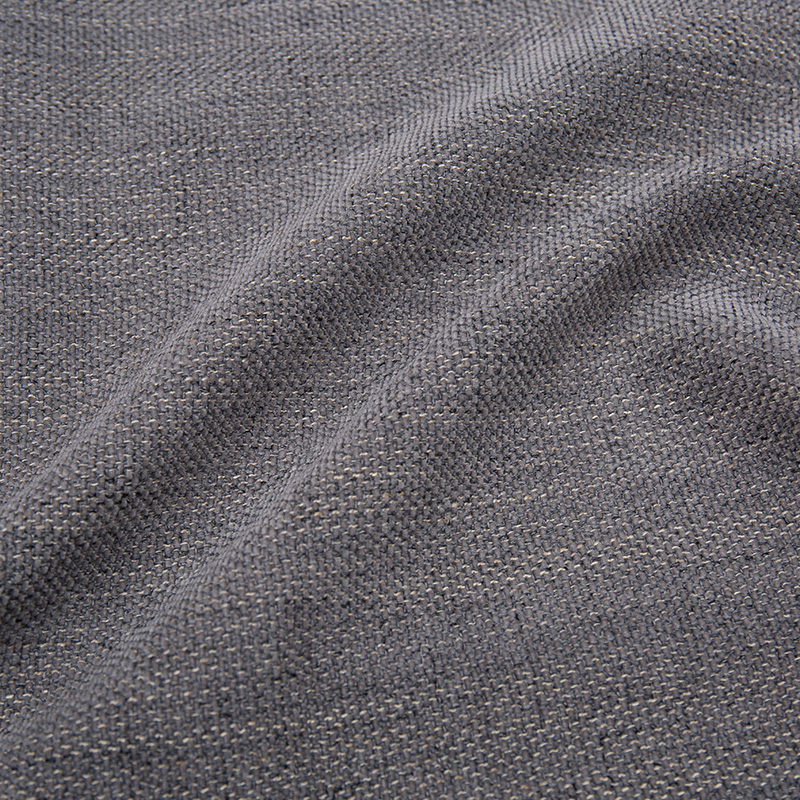
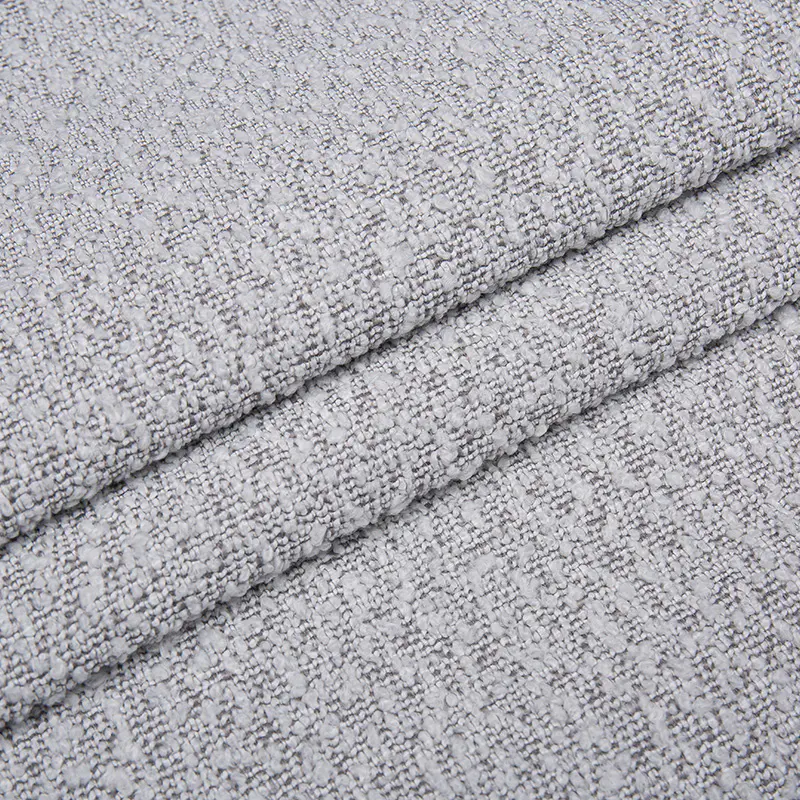
The fabric achieves its linen-like appearance through specialized weaving techniques that create irregular yarn thickness variations and textured surfaces. Manufacturers often blend polyester with small percentages of rayon or cotton (typically 5-15%) to enhance the natural drape and soft hand feel that pure polyester lacks.
Understanding the performance differences helps determine whether polyester imitation linen meets your specific requirements. The following comparison highlights key functional attributes:
| Property | Polyester Imitation Linen | Natural Linen |
|---|---|---|
| Wrinkle Resistance | Excellent | Poor |
| Color Fastness | High (95%+ retention) | Moderate (fades 15-20%) |
| Breathability | Moderate | Excellent |
| Moisture Absorption | Low (0.4%) | High (12%) |
| Durability (cycles) | 25,000-40,000 | 15,000-20,000 |
| Price per Yard | $6-$12 | $15-$30 |
Polyester imitation linen typically withstands 30,000+ double rubs in Martindale abrasion tests, qualifying it for heavy-duty upholstery applications. This performance surpasses natural linen by approximately 50%, making it suitable for high-traffic furniture, commercial seating, and frequent-use table linens. The synthetic fibers resist pilling and maintain structural integrity even after repeated washing cycles.
The versatility of polyester imitation linen makes it suitable for diverse applications where appearance matters but natural fiber limitations present challenges.
While less breathable than natural linen, the fabric works well for structured garments including blazers, skirts, and casual trousers where wrinkle resistance outweighs moisture management needs. Fashion brands report 35% lower return rates for garments using quality polyester linen blends compared to 100% linen items, primarily due to customer satisfaction with the low-maintenance care requirements.
Hotels, healthcare facilities, and corporate offices choose polyester imitation linen for window treatments, privacy screens, and wall panels. The fabric meets most fire safety standards (NFPA 701 compliant when treated) and withstands commercial laundering protocols that would degrade natural fibers within months.
Not all polyester linen-look fabrics deliver equivalent performance. Recognizing quality markers ensures you select material appropriate for your intended application.
Medium-weight options (200-250 GSM) suit most upholstery and curtain applications, while lightweight versions (140-180 GSM) work better for garments and light drapery. Thread count typically ranges from 120 to 180 threads per square inch, with higher counts producing smoother surfaces that may sacrifice the authentic linen texture.
Premium imitation linen uses slub yarn techniques that create intentional irregularities mimicking natural linen's characteristic appearance. Examine the fabric closely to verify:
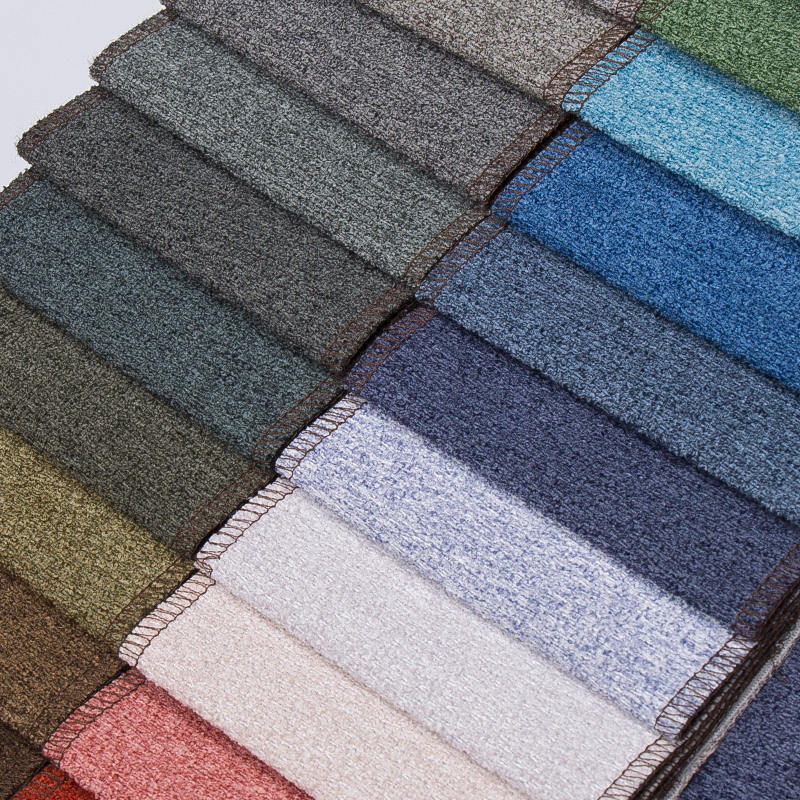
Solution-dyed polyester offers superior colorfastness compared to piece-dyed fabrics. In solution dyeing, pigment integrates into the polymer before fiber extrusion, creating color that resists fading by 90% more effectively than surface-applied dyes. This matters significantly for sun-exposed applications like outdoor cushions or west-facing curtains.
Proper maintenance extends the lifespan of polyester imitation linen and preserves its appearance through years of use.
Most polyester linen-look fabrics require minimal ironing. When necessary, use a low-temperature setting (110-130°C/230-266°F) with a pressing cloth to prevent melting or glazing. Steaming proves more effective than dry ironing for removing wrinkles without fabric damage. Never iron directly on high heat, as polyester permanently melts above 150°C/302°F.
Address spills immediately by blotting (not rubbing) with clean, absorbent cloth. For oil-based stains, apply dish soap directly before washing. Water-based stains typically release easily with cold water. The hydrophobic nature of polyester prevents deep stain penetration, making cleanup simpler than with natural linen.
The environmental profile of polyester imitation linen presents both advantages and concerns compared to natural fiber alternatives.
Polyester production requires petroleum-based feedstock and significant energy input. However, manufacturing polyester uses 60% less water than growing and processing flax into linen, which demands extensive irrigation and retting processes. The trade-off involves renewable plant resources versus fossil fuel dependency.
The extended lifespan of polyester fabric offsets some environmental costs. Products lasting 8-10 years before replacement require less frequent manufacturing compared to natural linen items replaced every 3-5 years due to wear. This durability advantage reduces overall material consumption and waste generation.
Modern recycling programs increasingly accept polyester textiles, breaking them down into polymer chips for remanufacturing. Look for fabrics containing recycled polyester content (typically 20-50% post-consumer waste) to reduce virgin material demand. Some manufacturers now offer take-back programs that ensure proper recycling rather than landfill disposal.
Smart buying decisions maximize value while ensuring the fabric meets performance requirements for your specific project.
Wholesalers typically offer 15-30% discounts on orders exceeding 50 yards, with additional price breaks at 100-yard quantities. Calculate total project needs accurately, adding 10-15% for pattern matching, cutting waste, and future repairs. Many suppliers provide sample swatches for $2-5, allowing you to assess quality before committing to large orders.
Online retailers offer wider selection and competitive pricing, but inability to physically assess texture and weight presents risks. Request samples before major purchases. Physical fabric stores allow hands-on evaluation and immediate availability but typically charge 20-40% more than online sources. For critical applications requiring specific performance characteristics, the premium for in-person selection often justifies the additional cost.
Understanding typical issues helps prevent disappointment and enables effective problem resolution.
Lower-quality polyester blends may develop pills after friction exposure. Prevent this by choosing fabrics with tighter weaves (160+ thread count) and avoiding harsh laundering. Remove existing pills using a fabric shaver or sweater stone rather than pulling, which damages yarns. Regular vacuuming of upholstered items reduces pill formation by removing abrasive dirt particles.
Polyester's low moisture absorption creates static in dry environments. Combat this by adding liquid fabric softener during washing or using anti-static spray for upholstered items. Installing a humidifier maintains 40-50% relative humidity, naturally reducing static problems. For garments, wearing natural fiber undergarments creates a barrier that minimizes discomfort.
Purchase all fabric for a single project from the same dye lot, as shades can vary by 5-10% between production runs. Always order 15% extra to avoid shortages requiring purchases from different lots. If mixing lots becomes necessary, alternate between them during construction to blend the variation less noticeably.

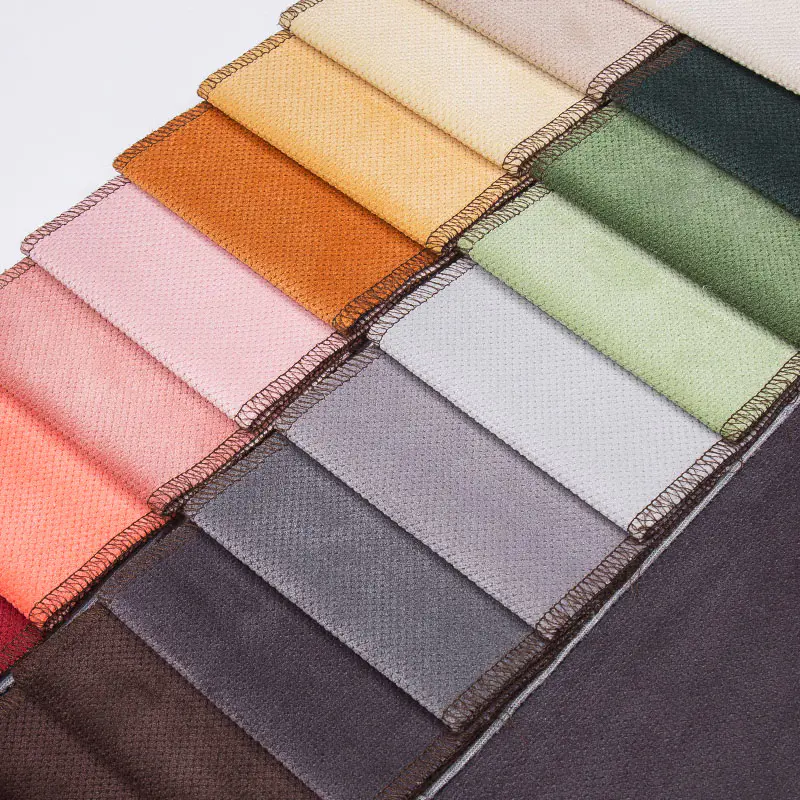
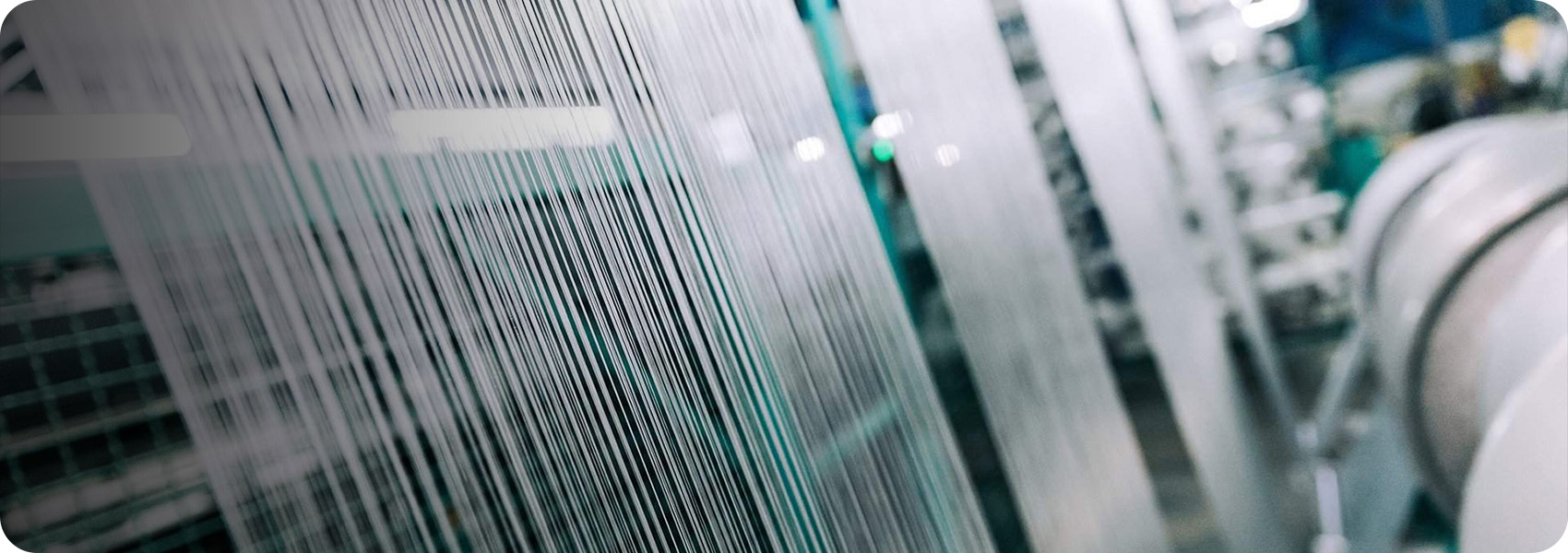
From yarn to fabric. At Xiangyi, we stitch quality into every seam, crafting sofa fabric that goes beyond decor—it embodies your home’s unique style.
PRODUCT

+86-18262539999(Meng Lin)